Introduction
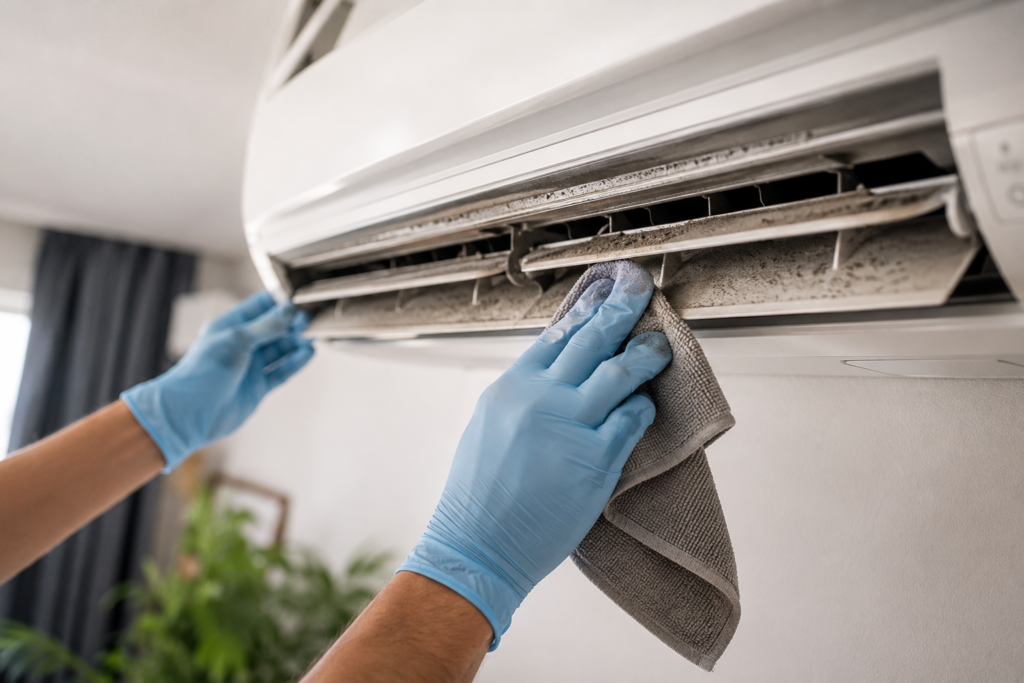
UAE apartments and villas run air conditioning for the majority of the year. In that environment, dusty AC vents are not an occasional inconvenience – they are a near-constant reality.
Fine desert particles, sealed interiors, and continuous airflow through split and ducted systems create conditions where dust accumulates on vents, louvres, and filter housings faster than in most other climates. The same closed-window environment that keeps apartments cool also means the indoor air – and everything suspended in it – recirculates through the system continuously. For a broader look at why indoor dust levels are elevated in UAE homes generally, see the CleanLivingUAE guide to why dust builds up in UAE homes.
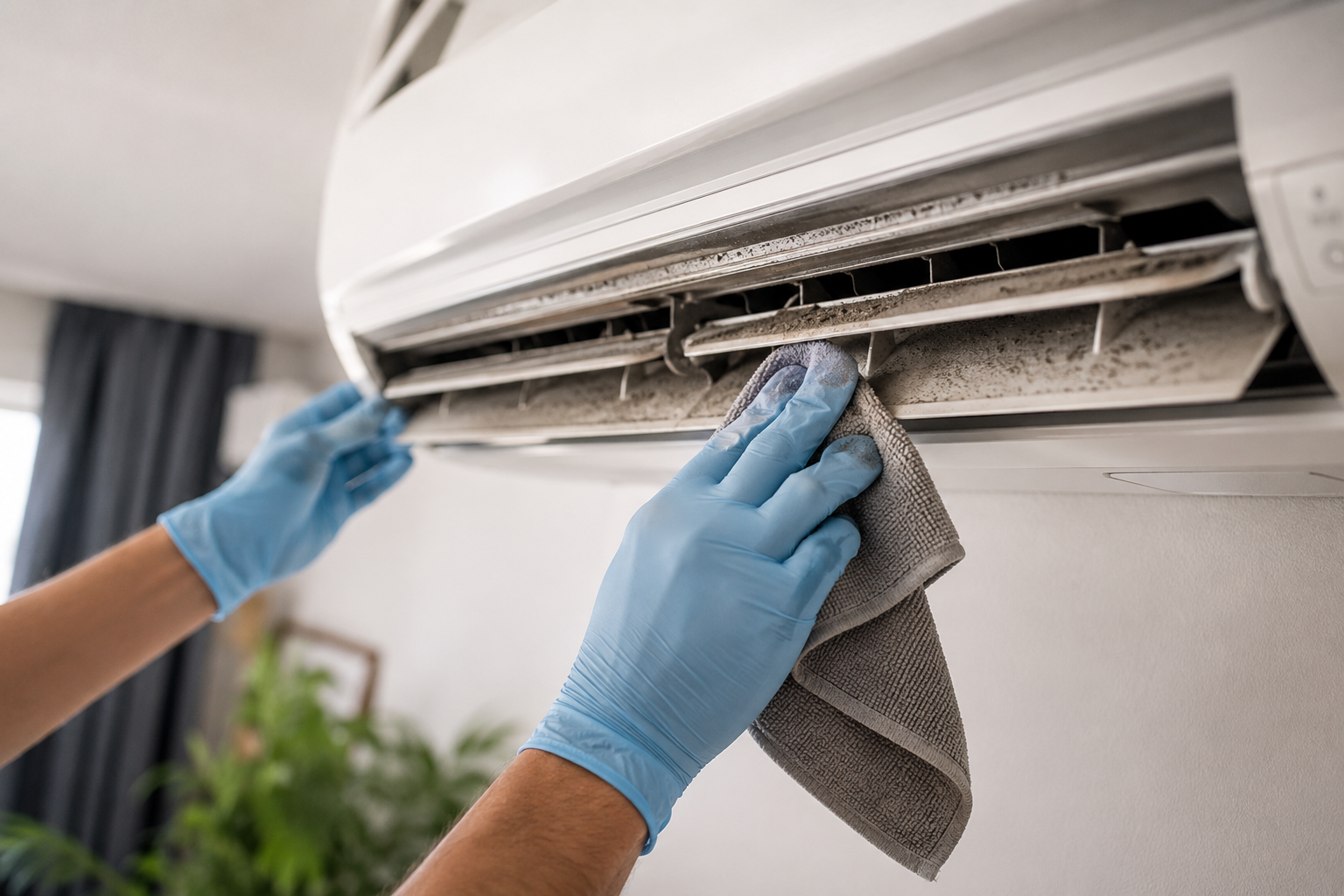
For residents dealing with dusty AC vents UAE-wide, understanding what drives that buildup – and how to address it systematically – is more useful than repeated surface cleaning alone.
This article covers the causes, health implications, cleaning steps, and prevention strategies relevant to UAE apartments and villas in 2026.
UAE apartments and villas run air conditioning for the majority of the year. In that environment, dusty AC vents are not an occasional inconvenience – they are a near-constant reality.
Fine desert particles, sealed interiors, and continuous airflow through split and ducted systems create conditions where dust accumulates on vents, louvres, and filter housings faster than in most other climates. The same closed-window environment that keeps apartments cool also means the indoor air – and everything suspended in it – recirculates through the system continuously. For a broader look at why indoor dust levels are elevated in UAE homes generally, see the CleanLivingUAE guide to why dust builds up in UAE homes.
For residents dealing with dusty AC vents UAE-wide, understanding what drives that buildup – and how to address it systematically – is more useful than repeated surface cleaning alone.
This article covers the causes, health implications, cleaning steps, and prevention strategies relevant to UAE apartments and villas in 2026.
AC Vent Problems at a Glance
| Problem | Likely Cause | Needed Action |
|---|---|---|
| Grey dust on louvres | Dirty or overloaded filter | Clean filter; wipe vent surface |
| Black dust around vent edges | Possible mould or carbon particles | Professional inspection |
| Musty smell on startup | Drain tray or coil mould | Professional coil cleaning |
| Weak airflow with clean filter | Loaded evaporator coil | Professional service |
| Dust returning within days | Filter not cleaned | Clean filter; not just the vent |
| Worsening allergy symptoms | Allergens in recirculated air | Filter clean plus air purifier |
Why AC Vents Get Dusty So Quickly in UAE Homes
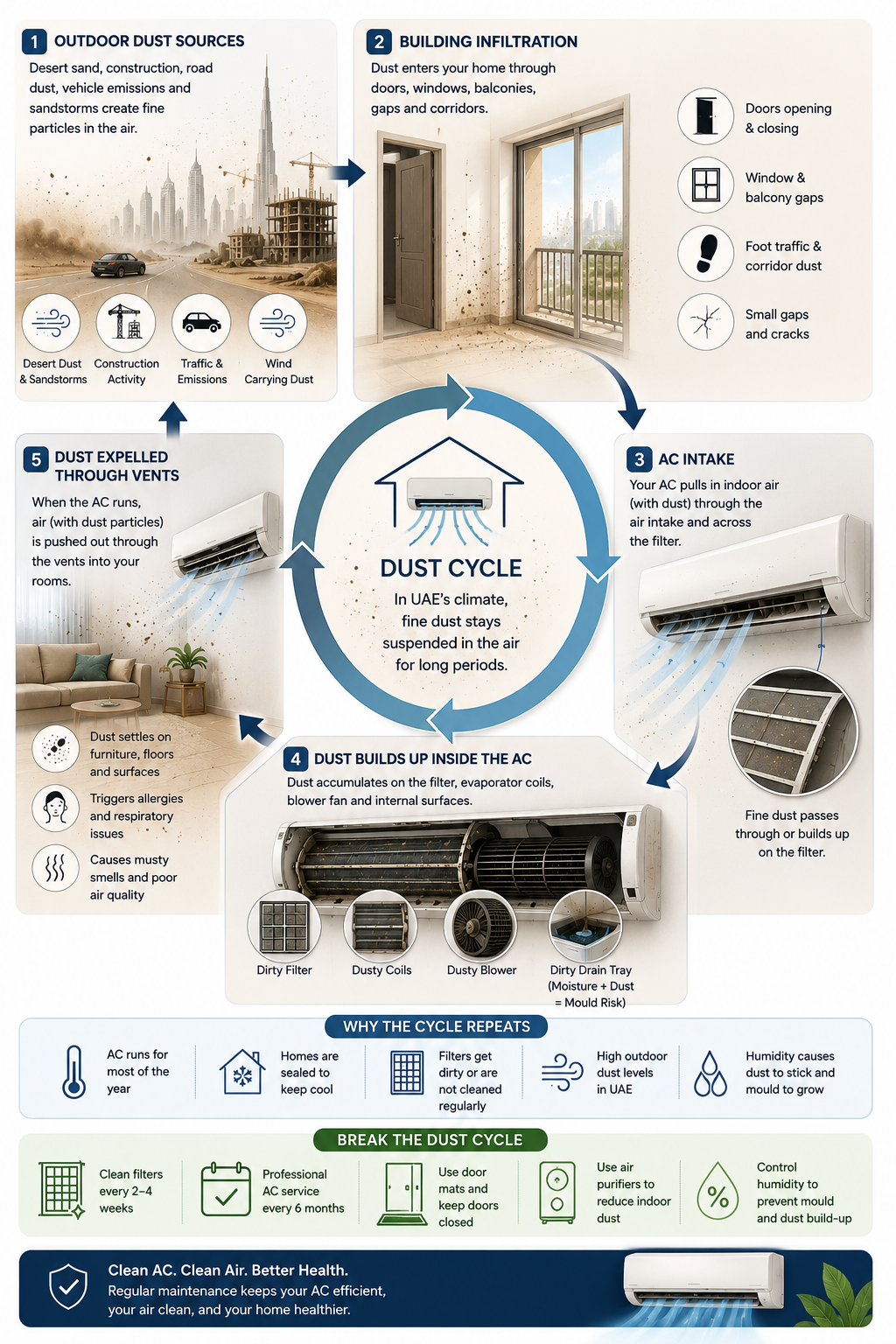
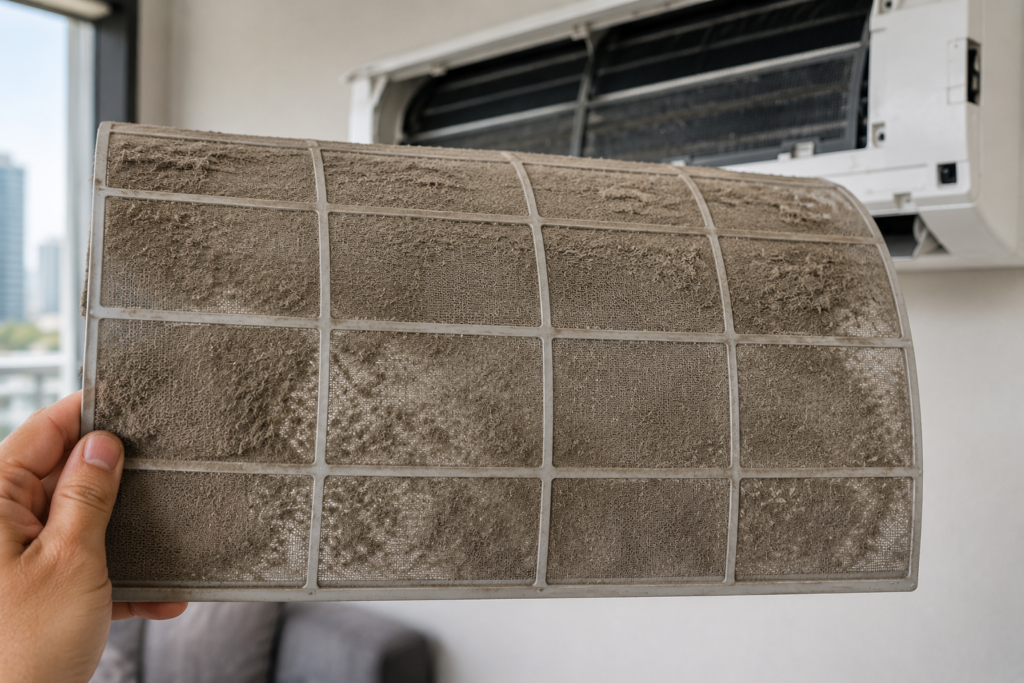
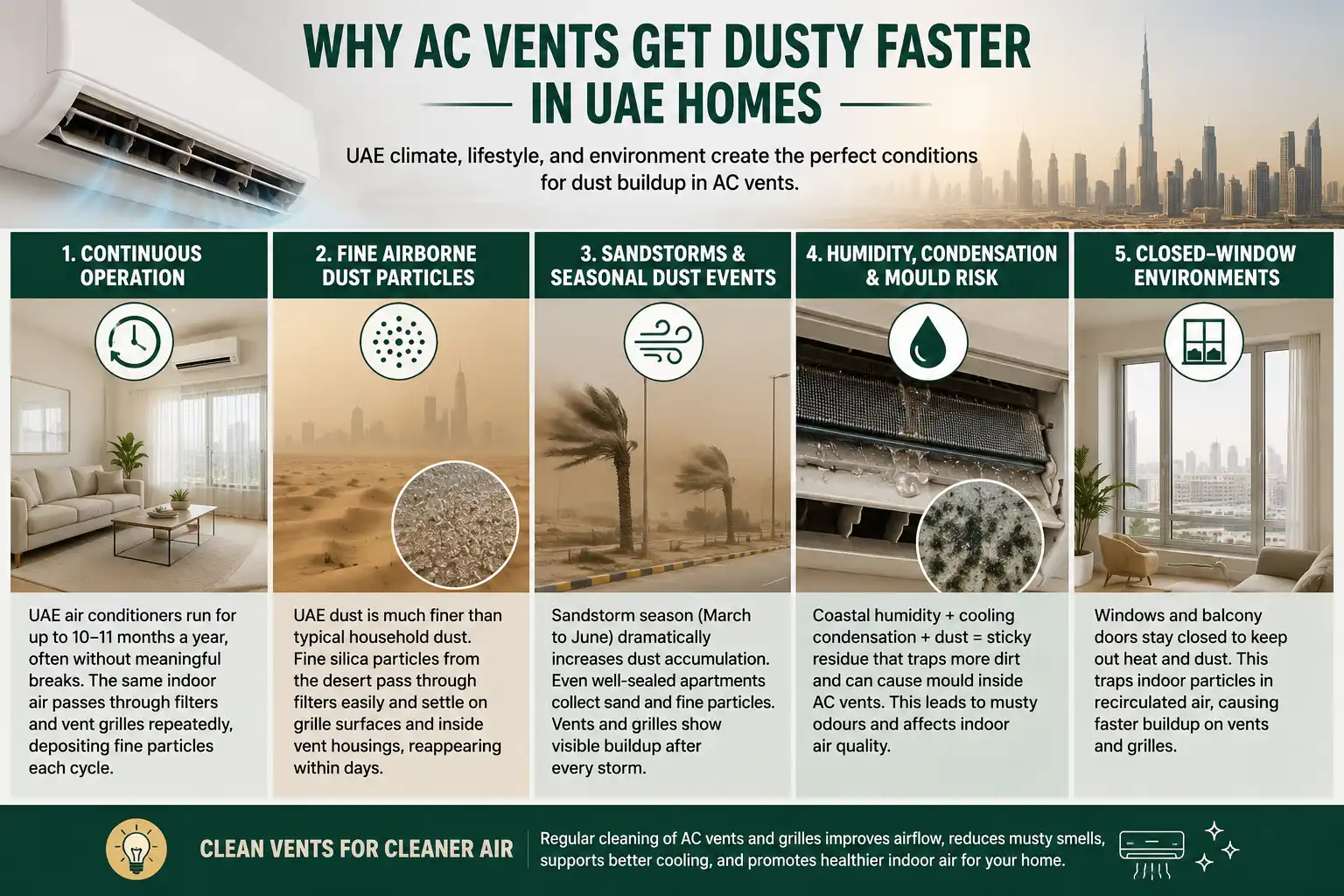
AC vents in UAE homes collect dust quickly because systems run continuously in a desert environment with fine airborne sand, high humidity, and limited natural ventilation. Every hour of operation pulls indoor air across the filter, and any particles that bypass or overload the filter are deposited directly on vent surfaces.
Continuous Operation
Most UAE households run air conditioning for eight to twelve months of the year. During summer months, units often run around the clock.
Every hour of operation pulls indoor air across the filter and through the system. Any particles that bypass or overload the filter are deposited on internal surfaces and vents. The longer and more continuously a system runs, the faster visible dust collects.
Fine Desert Particulates
Desert dust in the UAE is composed of very fine silica and mineral particles, many small enough to pass through standard filters. These particles remain suspended in indoor air longer than heavier dust and are drawn into AC inlets consistently throughout the day.
After sandstorms – which occur most frequently between March and June – concentrations of airborne particulates indoors increase sharply, accelerating vent buildup significantly.
Closed-Window Environments
UAE residents keep windows and balcony doors closed for much of the year to retain cool air. This reduces natural ventilation and means the same indoor air is recirculated repeatedly through the AC system.
Dust particles generated indoors – from fabric, skin cells, food preparation, and tracked-in sand – are not diluted by fresh air and instead accumulate steadily within the system.
Humidity and Particle Adhesion
Coastal areas including Dubai Marina, Jumeirah Beach Residence, Abu Dhabi Corniche, and Sharjah waterfronts experience relative humidity that frequently exceeds 70 percent in summer.
Humidity causes fine dust particles to bind to surfaces more readily. Vent grilles and louvres in humid apartments collect a denser, stickier layer of dust than those in drier inland environments.
Corridor and Building-Level Dust
In multi-storey apartment buildings, common areas, lift lobbies, and corridors generate and circulate dust from foot traffic, deliveries, and cleaning activity. This building-level particulate enters apartments each time doors are opened and adds to the indoor dust load that the AC system then processes.
Proximity to Construction
Dubai, Abu Dhabi, and Sharjah continue to see active construction at scale. Residents in areas near development sites report heavier dust infiltration through door and window gaps, which adds substantially to the volume of particles circulating through AC systems.
Common Signs of Dusty AC Vents
The most recognisable signs of dusty AC vents in UAE homes are a visible grey layer on louvres, black marks around vent edges, a musty smell when the unit starts, and dust settling on nearby surfaces within days of cleaning.
Visible Grey or White Dust on Louvres
The most obvious indicator is a visible layer of grey or white dust on the plastic or metal louvres of split AC units or ceiling vent grilles in ducted systems.
This layer is typically fine and even, and often reappears within days of cleaning if filters are not also addressed.
Black Dust Marks Around Vents
Black dust around AC vents UAE residents encounter is often a more serious sign. This discolouration can result from a combination of carbon particles common in urban environments, mould spores, or oxidised dust residue.
Black marks around vent edges or on nearby walls indicate that contaminated air is being expelled under pressure and warrant further investigation beyond surface cleaning.
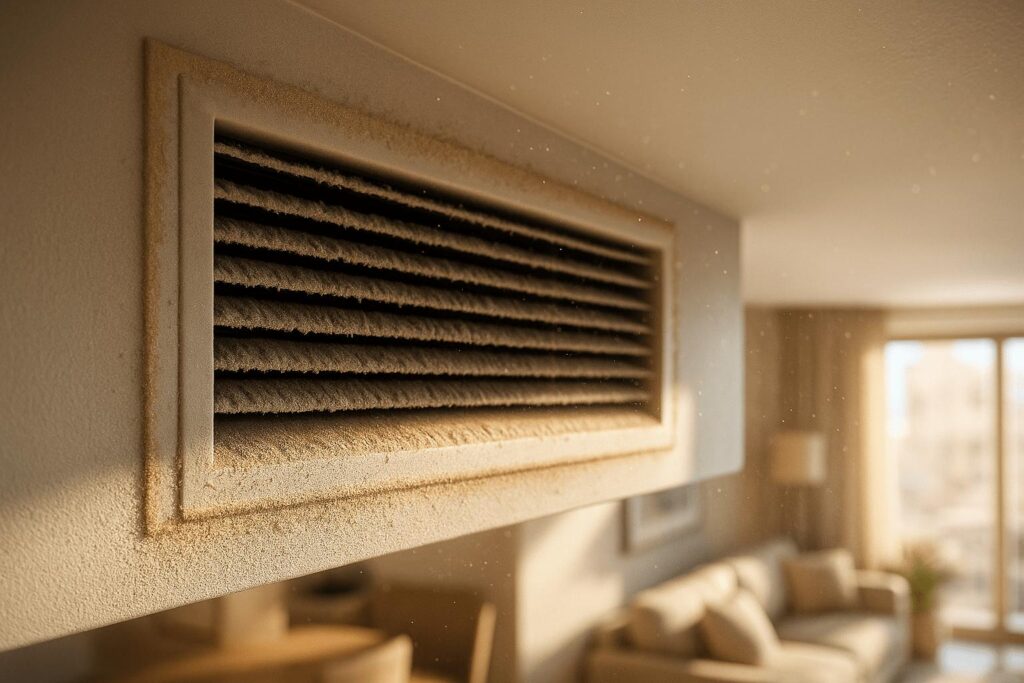
Musty or Stale Odours When AC Is Running
A musty smell when the AC starts is commonly associated with mould or mildew growth on the evaporator coil, drain tray, or filter. In high-humidity apartments, condensation inside the unit creates conditions where organic material can accumulate if not cleaned regularly.
Sneezing, Itchy Eyes, or Worsening Allergies
Many UAE residents report that allergy symptoms worsen when the AC is running. Dust particles, pollen, and biological contaminants expelled through dirty vents can trigger rhinitis and eye irritation.
Residents with pre-existing respiratory sensitivity often notice symptoms first when AC is switched on after a period of inactivity.
Reduced Airflow From Vents
When filters become heavily loaded and vents accumulate thick dust, airflow is visibly reduced. Rooms take longer to cool and the system runs for longer periods, increasing both dust processing time and energy consumption.
Dust Settling Quickly After Cleaning
If surfaces near AC vents require daily dusting despite regular cleaning, this is a strong indicator that the system itself – rather than just indoor sources – is actively distributing dust. Cleaning only the vent grille without addressing the filter and internal components offers limited and short-lived improvement.
Signs Your AC Dust Problem May Be Mould Instead
If dust around AC vents is dark or black rather than grey, accompanied by an earthy or musty smell, or linked to worsening allergies that do not improve after surface cleaning, the issue may involve mould rather than ordinary dust accumulation.
Surface dust and mould contamination require different responses. Ordinary dust is grey or white, odourless, and returns gradually. Mould presents differently.
If the vents smell damp, earthy or stale as well as looking dusty, the cause may involve moisture, the filter or the condensate system. The guide to musty AC smells in UAE homes explains the likely causes and safe next steps.
Key indicators that mould rather than standard dust may be present include a persistent earthy or musty smell that occurs every time the unit starts, black or dark spotting on or around vent edges that returns after wiping, moisture or condensation visible near vent outlets or on walls below ceiling grilles, and allergy or respiratory symptoms that worsen specifically when the AC is running and do not improve despite regular filter cleaning.
In high-humidity UAE apartments – particularly in coastal locations and lower-floor units – evaporator coils and drain trays are at greater risk of supporting mould growth. Once established, mould on internal components cannot be resolved by vent surface cleaning or filter maintenance alone.
Professional coil and drain tray cleaning is required. Residents who suspect mould should not delay, as prolonged operation of a contaminated unit expels spores continuously into the living space.
Do Not Ignore These Signs
The following symptoms indicate that the AC system requires professional attention. Continued DIY surface cleaning will not resolve them and may allow underlying problems to worsen.
- Black dust that returns within days of cleaning, particularly with an earthy smell
- A musty or stale odour every time the unit switches on
- Water dripping or pooling below the indoor unit
- Airflow that remains weak even after the filter has been cleaned
- Allergy or respiratory symptoms that persist or worsen despite regular maintenance
- Visible moisture or condensation on walls near vent outlets
Residents who notice any of the above should arrange a professional inspection before the next cooling season. In UAE conditions, where AC runs continuously for months at a time, delayed intervention tends to increase the severity of contamination.
Health Risks of Dirty AC Vents in UAE Homes
The health implications of dusty and contaminated AC vents are most significant for children, elderly residents, and anyone with respiratory conditions. However, the enclosed nature of UAE apartments means that even generally healthy residents can experience effects over time.
Allergic Rhinitis and Eye Irritation
Dust particles expelled through dirty vents are a common trigger for allergic rhinitis – inflammation of the nasal passages causing sneezing, congestion, and runny nose. Eye irritation is also commonly reported.
Symptoms are often worse in the morning, when the AC has been running throughout the night in a closed bedroom.
Asthma Aggravation
Fine particulates and biological allergens such as dust mite fragments and mould spores can trigger or worsen asthma symptoms.
UAE residents with asthma who notice increased frequency of symptoms at home – particularly when the AC is running – may benefit from assessing vent and filter condition before other interventions.
Respiratory Discomfort in Healthy Residents
Even without a diagnosed condition, prolonged exposure to recirculated particulate-laden air is associated with throat dryness, coughing, and general respiratory discomfort. This is more common in summer months when residents spend more time indoors with continuous AC operation.
Sleep Disruption
Bedrooms with dirty AC vents can accumulate higher concentrations of airborne dust during overnight operation. Many residents report disturbed sleep and waking with nasal congestion, which is often attributed to bedroom AC units with overloaded filters.
Mould Risks in Humid Environments
Coastal UAE homes face a specific risk. When evaporator coils or drain trays are not cleaned, condensation creates conditions for mould growth inside the unit. When the AC operates, mould spores can be expelled into the living space. This is distinct from surface dust and requires more thorough professional intervention.
Why Dust Around AC Vents Returns Quickly
Dust returns to AC vents quickly in UAE homes primarily because the filter has not been cleaned. Cleaning the vent surface while leaving a loaded filter in place does not address the source of the problem.
Overloaded or Rarely Cleaned Filters
The filter is the primary barrier between the indoor air supply and the AC system’s internal components. When filters are not cleaned at appropriate intervals, they become ineffective.
Unfiltered air then deposits particles directly onto the evaporator coil, blower fan, and vent surfaces. Many residents clean the vent but not the filter, which resolves nothing at the source.
Gap Infiltration Around Vent Edges
In both split units and ducted ceiling vents, gaps between the vent frame and the ceiling or wall surface allow unfiltered air to bypass the system and deposit dust around the vent perimeter. These gaps are common in older buildings or where installation was not sealed properly.
Ongoing Indoor Dust Generation
Fabric furniture, carpets, curtains, bedding, and clothing continuously release fibres and particles into indoor air. In apartments without regular vacuuming or dusting, this ongoing generation sustains the dust load that the AC system processes throughout the day.
Post-Sandstorm Infiltration
After sandstorms, fine particles enter through every available gap in the building envelope – door frames, window edges, balcony doors, and electrical fittings. This dramatically increases the indoor particulate load. Filters can become overloaded within 24 to 48 hours of a major storm event.
Internal Duct Contamination
In ducted villa systems, accumulated dust within the ductwork itself is continuously dislodged by airflow and deposited at vent outlets. Cleaning only the vent grille has no effect on this internal reservoir. Professional duct cleaning is the only means of addressing this source.
Dusty AC Vents in UAE Apartments vs Villas
Apartments are primarily affected by corridor dust, sealed recirculation, and split AC filter loading. Villas with ducted systems face the additional challenge of duct contamination, outdoor garden exposure, and larger surface areas requiring more frequent attention.
Apartment-Specific Factors
Shared corridor dust enters via gaps under and around the front door each time it is opened. A single split AC unit per room means filter loading is concentrated and visible. High-rise apartments near the coast are more exposed to humidity-driven particle adhesion. Proximity to lift lobbies and service entrances increases the building-level dust load. Storage space limitations often mean cleaning tools are less accessible, which can reduce cleaning frequency in practice.
Villa-Specific Factors
Ducted systems distribute air – and contamination – through ductwork across the entire property. Garden-level and ground-floor access points introduce more coarse sand and organic debris. Villas near ongoing construction sites or in areas with substantial greenery face higher outdoor particulate exposure. Multiple AC zones mean that a problem in one unit can affect air quality across the whole property if ductwork is shared. Ceiling heights in villas make vent inspection and cleaning less straightforward without a step ladder.
Understanding which property type applies helps residents prioritise the right type of maintenance – filter-focused for apartments, duct-inspection-focused for villas.
Split AC vs Ducted AC Dust Problems in UAE
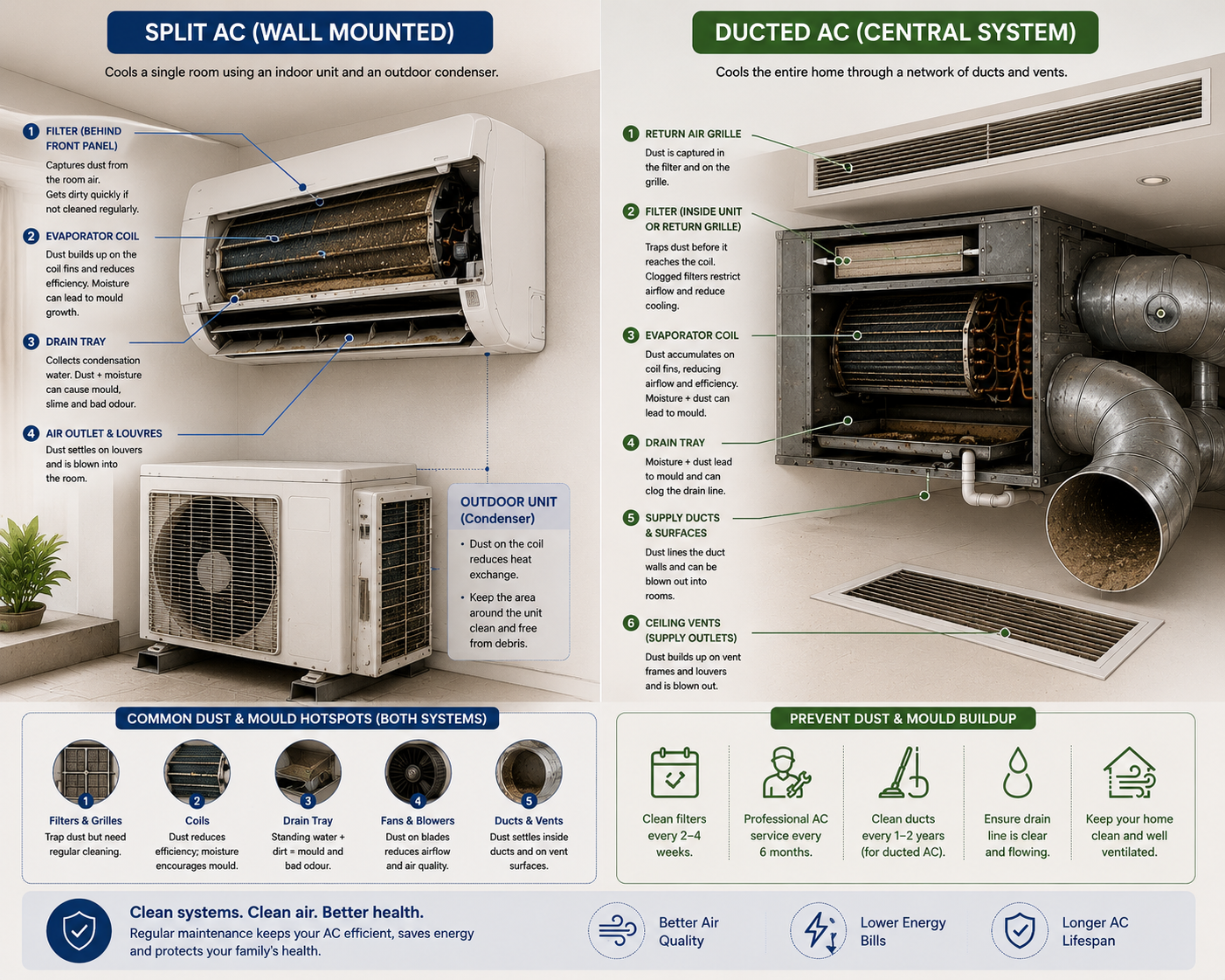
| Factor | Split AC System | Ducted AC System |
|---|---|---|
| Common in | Apartments, studio units, smaller villas | Larger villas, townhouses, commercial units |
| Vent type | Wall-mounted indoor unit with louvres | Ceiling grilles connected to central ductwork |
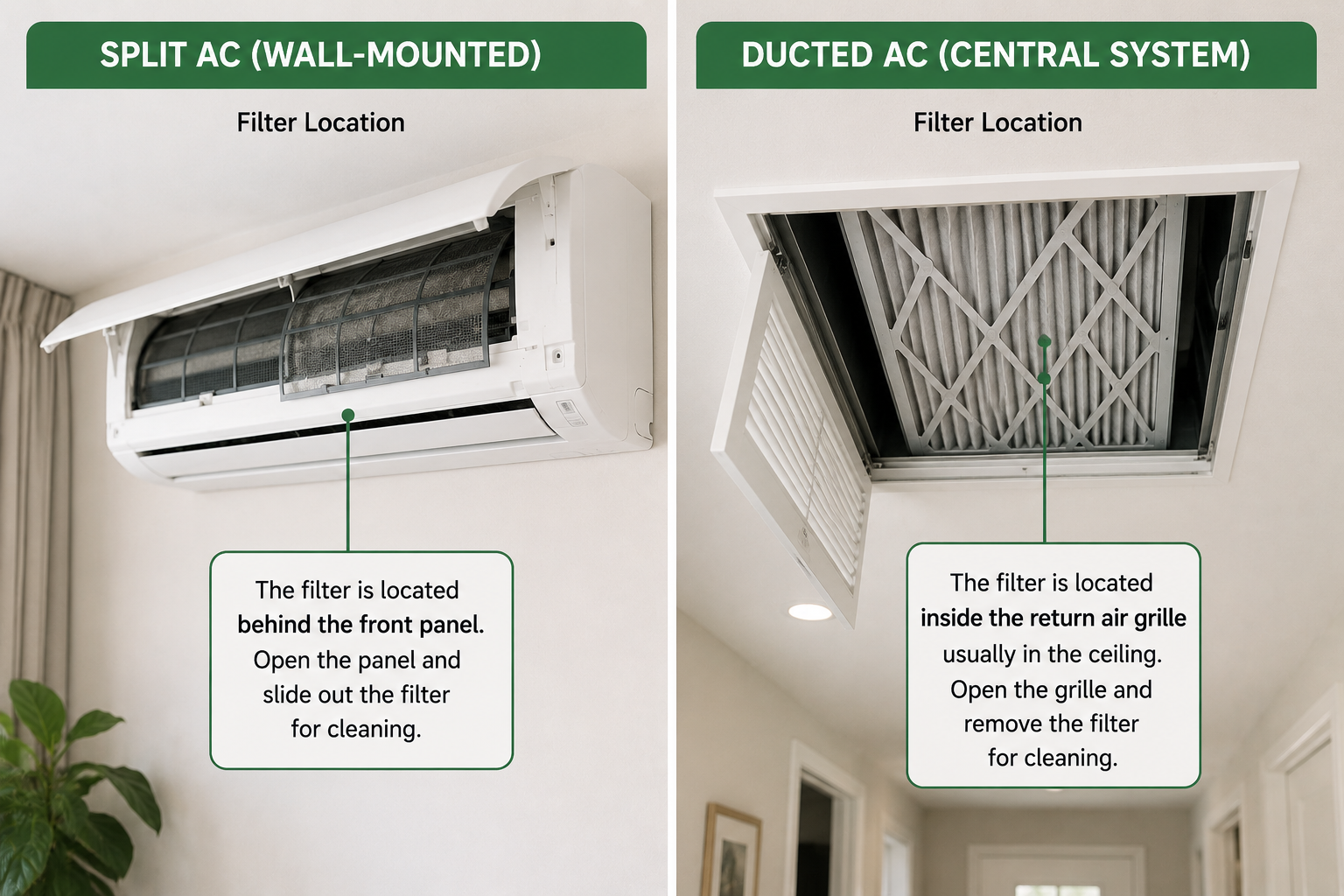
| Filter location | Behind the front panel of the indoor unit | In the air handler unit or at individual vents |
| DIY filter cleaning | Generally accessible to residents | Vent filters accessible; air handler usually requires technician |
| Duct contamination risk | Low – no ductwork involved | High – ducts can accumulate dust over time |
| Mould risk | Mainly in drain tray and evaporator coil | Can spread through duct network if present |
| Filter cleaning frequency | Every 2-4 weeks in UAE conditions | Monthly at grilles; professional check yearly |
| Professional service interval | Every 6-12 months recommended | Every 12-24 months for full duct cleaning |
| Black dust around vents | Usually localised around one unit | Can affect multiple rooms at once |
| Odour spread | Usually limited to one room | Can spread through the property via ducts |
How to Clean Dusty AC Vents Properly
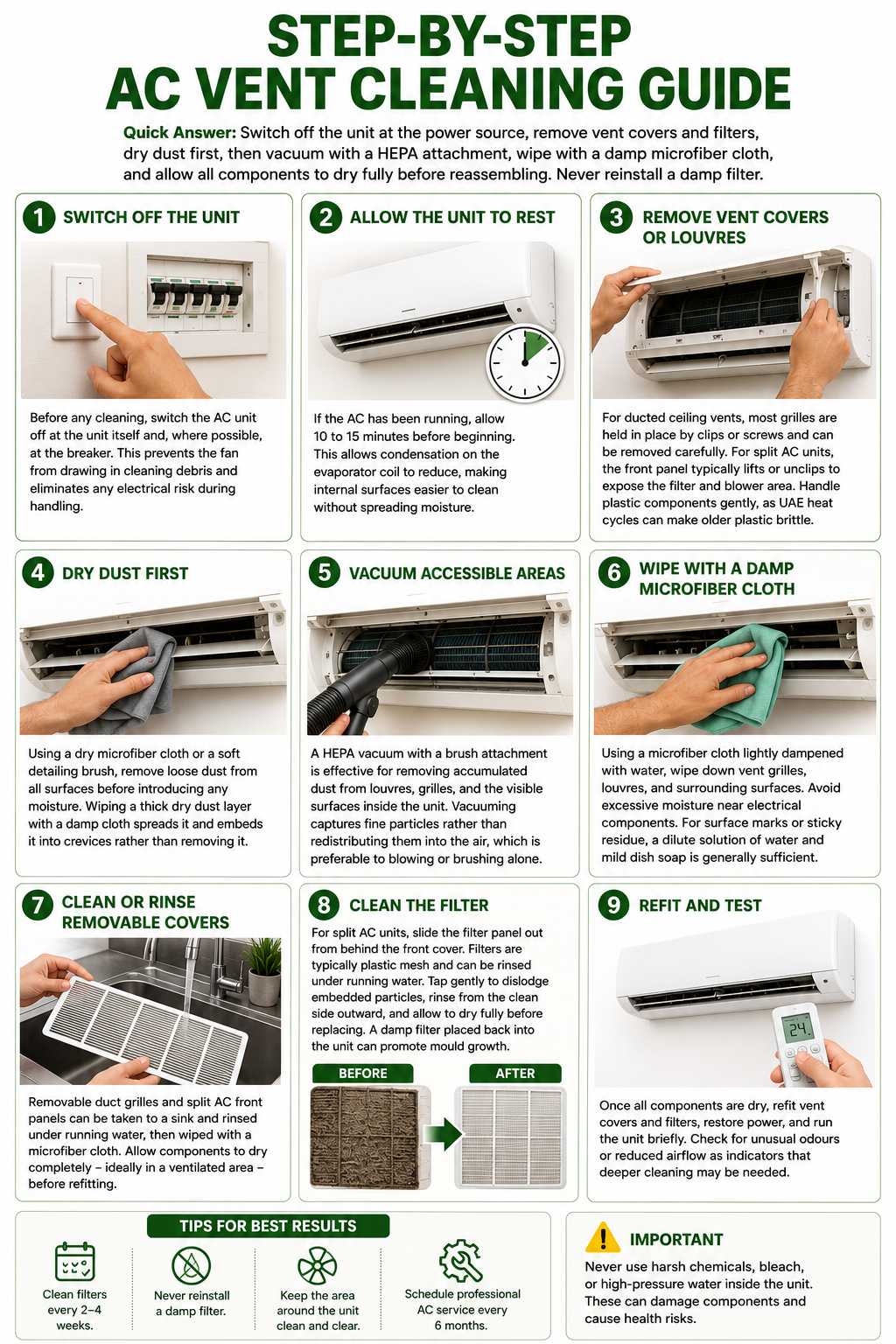
Switch off the unit at the power source, remove vent covers and filters, dry dust first, then vacuum with a HEPA attachment, wipe with a damp microfiber cloth, and allow all components to dry fully before reassembling. Never reinstall a damp filter.
Step 1 – Switch Off the Unit
Before any cleaning, switch the AC unit off at the unit itself and, where possible, at the breaker. This prevents the fan from drawing in cleaning debris and eliminates any electrical risk during handling.
Step 2 – Allow the Unit to Rest
If the AC has been running, allow 10 to 15 minutes before beginning. This allows condensation on the evaporator coil to reduce, making internal surfaces easier to clean without spreading moisture.
Step 3 – Remove Vent Covers or Louvres
For ducted ceiling vents, most grilles are held in place by clips or screws and can be removed carefully. For split AC units, the front panel typically lifts or unclips to expose the filter and blower area. Handle plastic components gently, as UAE heat cycles can make older plastic brittle over time.
Step 4 – Dry Dust First
Using a dry microfiber cloth or a soft detailing brush, remove loose dust from all surfaces before introducing any moisture. Wiping a thick dry dust layer with a damp cloth spreads it and embeds it into crevices rather than removing it.
Step 5 – Vacuum Accessible Areas
A HEPA vacuum with a brush attachment is effective for removing accumulated dust from louvres, grilles, and the visible surfaces inside the unit. Vacuuming captures fine particles rather than redistributing them into the air, which is preferable to blowing or brushing alone.
Step 6 – Wipe With a Damp Microfiber Cloth
Using a microfiber cloth lightly dampened with water, wipe down vent grilles, louvres, and surrounding surfaces. Avoid excessive moisture near electrical components. For surface marks or sticky residue, a dilute solution of water and mild dish soap is generally sufficient.
Step 7 – Clean or Rinse Removable Covers
Removable duct grilles and split AC front panels can be taken to a sink and rinsed under running water, then wiped with a microfiber cloth. Allow components to dry completely – ideally in a ventilated area – before refitting.
Step 8 – Clean the Filter
For split AC units, slide the filter panel out from behind the front cover. Filters are typically plastic mesh and can be rinsed under running water. Tap gently to dislodge embedded particles, rinse from the clean side outward, and allow to dry fully before replacing. A damp filter placed back into the unit can promote mould growth.
Step 9 – Refit and Test
Once all components are dry, refit vent covers and filters, restore power, and run the unit briefly. Check for unusual odours or reduced airflow as indicators that deeper cleaning may be needed.
Tools That Help Reduce AC Vent Dust
Some product mentions may include affiliate links.
Several tools are commonly used by UAE residents to manage AC vent dust more effectively between professional service visits. Find out more about the best tools needed for AC vent cleaning.
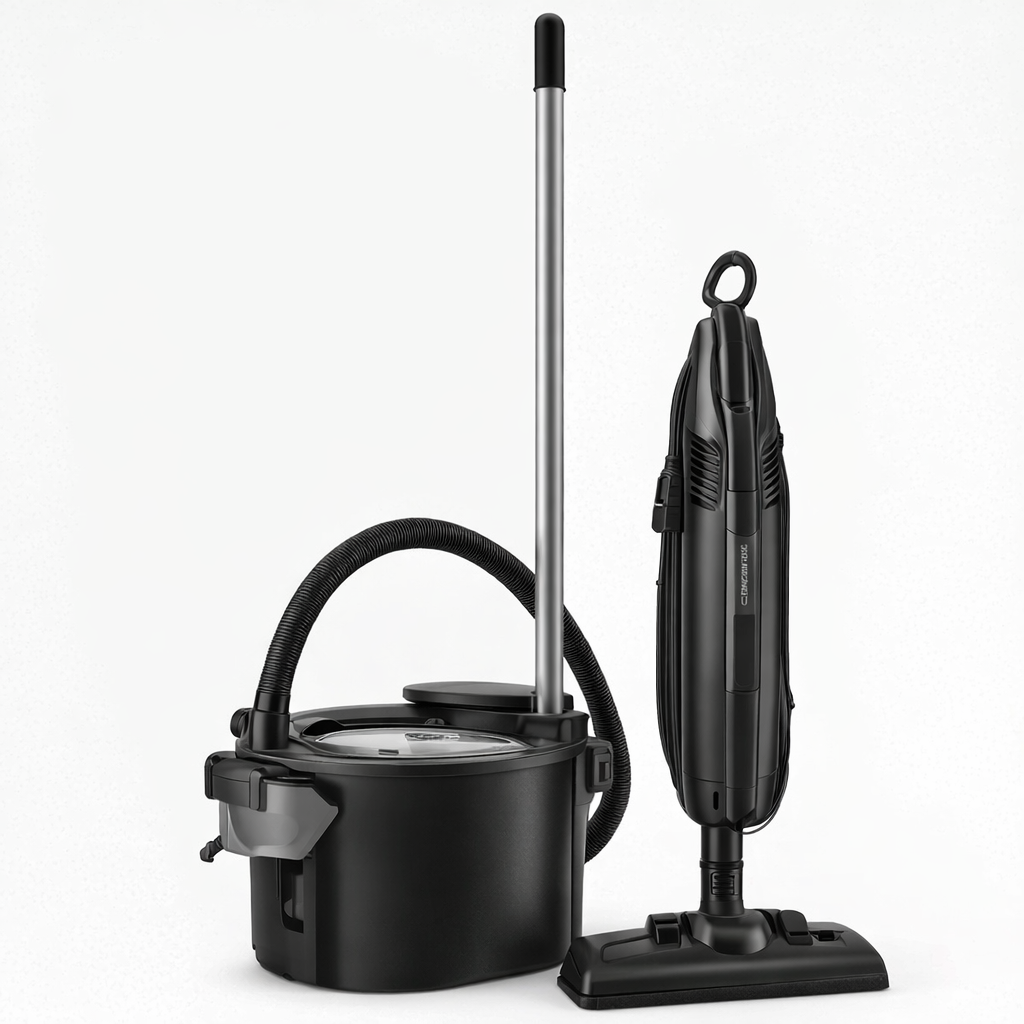
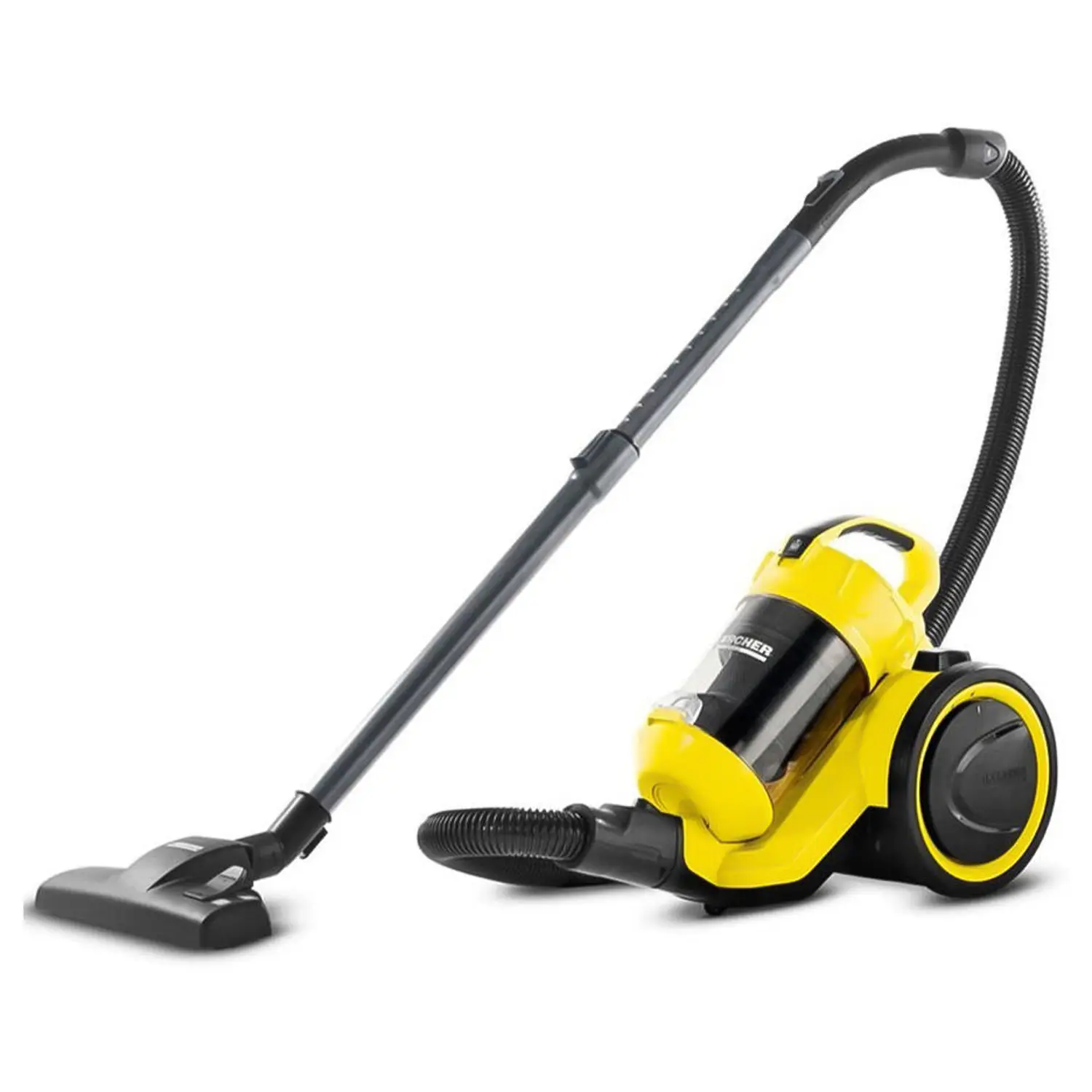
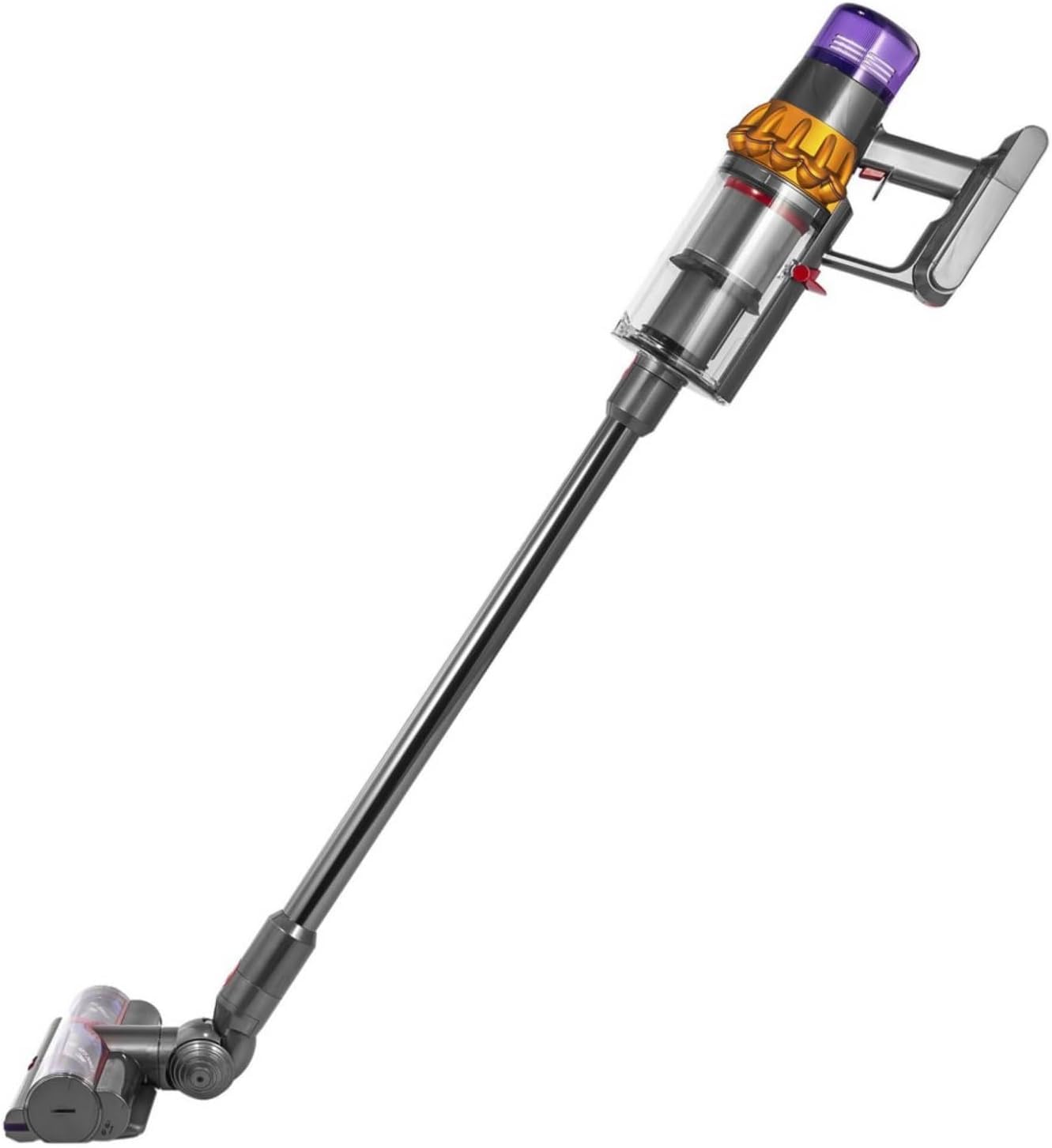
A HEPA vacuum and microfiber cloths are the two most practical starting points for most apartments. For a comparison of vacuum options suited to UAE conditions, see the CleanLivingUAE guide to the best HEPA vacuums UAE.

Microfiber Cloths for
Fine Dust Removal
Microfiber cloths help trap fine UAE dust instead of spreading it across surfaces. Separate cloths for dry dusting and wet cleaning improve cleaning efficiency.
HEPA Vacuum Cleaners for
UAE Dust Control
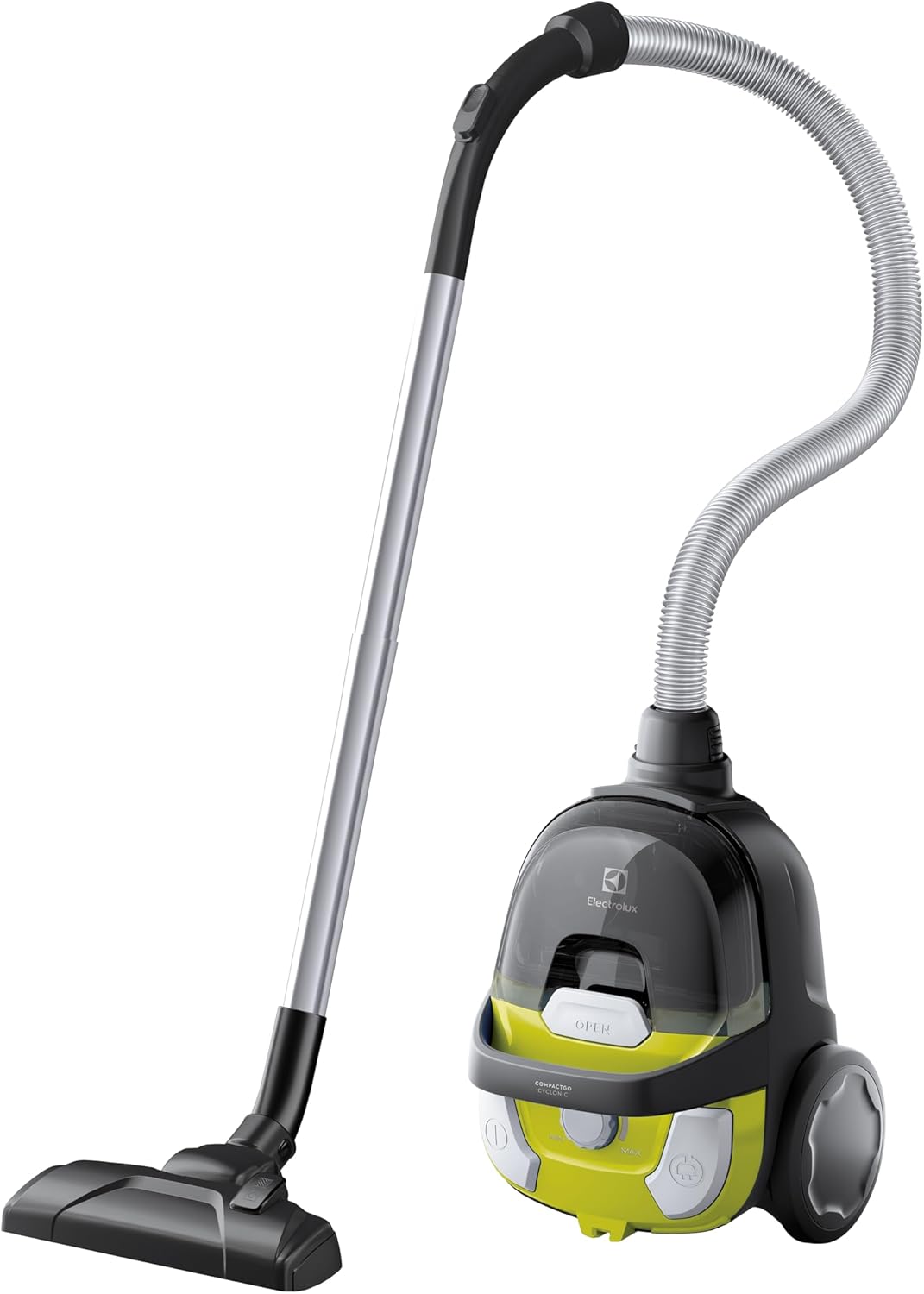
HEPA vacuum cleaners capture fine dust and sand particles commonly found in UAE homes. They are effective for tile, marble, rugs, and upholstery.
Dusting Tools for
Dust Removal
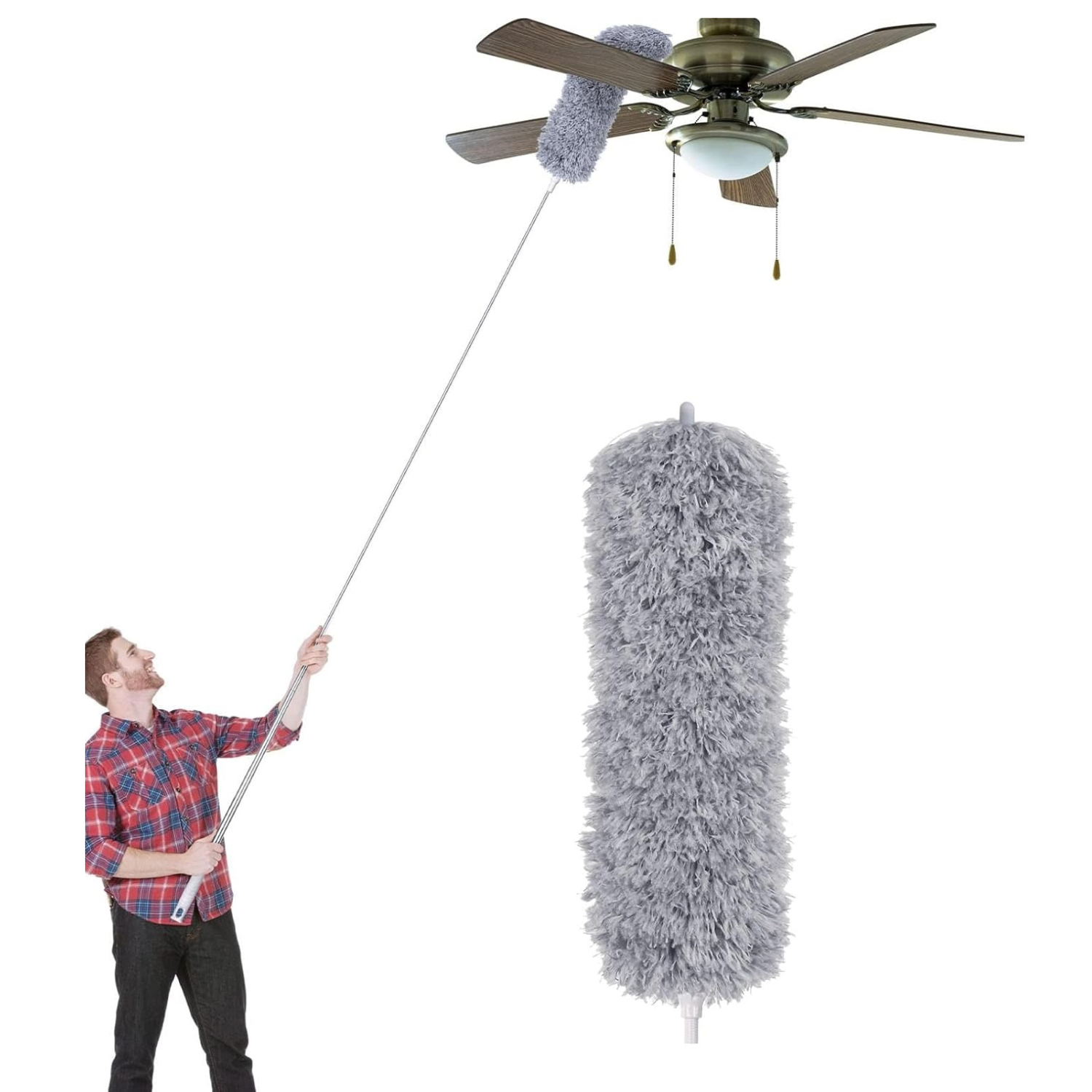
Electrostatic extendable dusters trap fine particles without spreading them, making them well suited to UAE homes with tall ceilings and hard-to-reach surfaces.
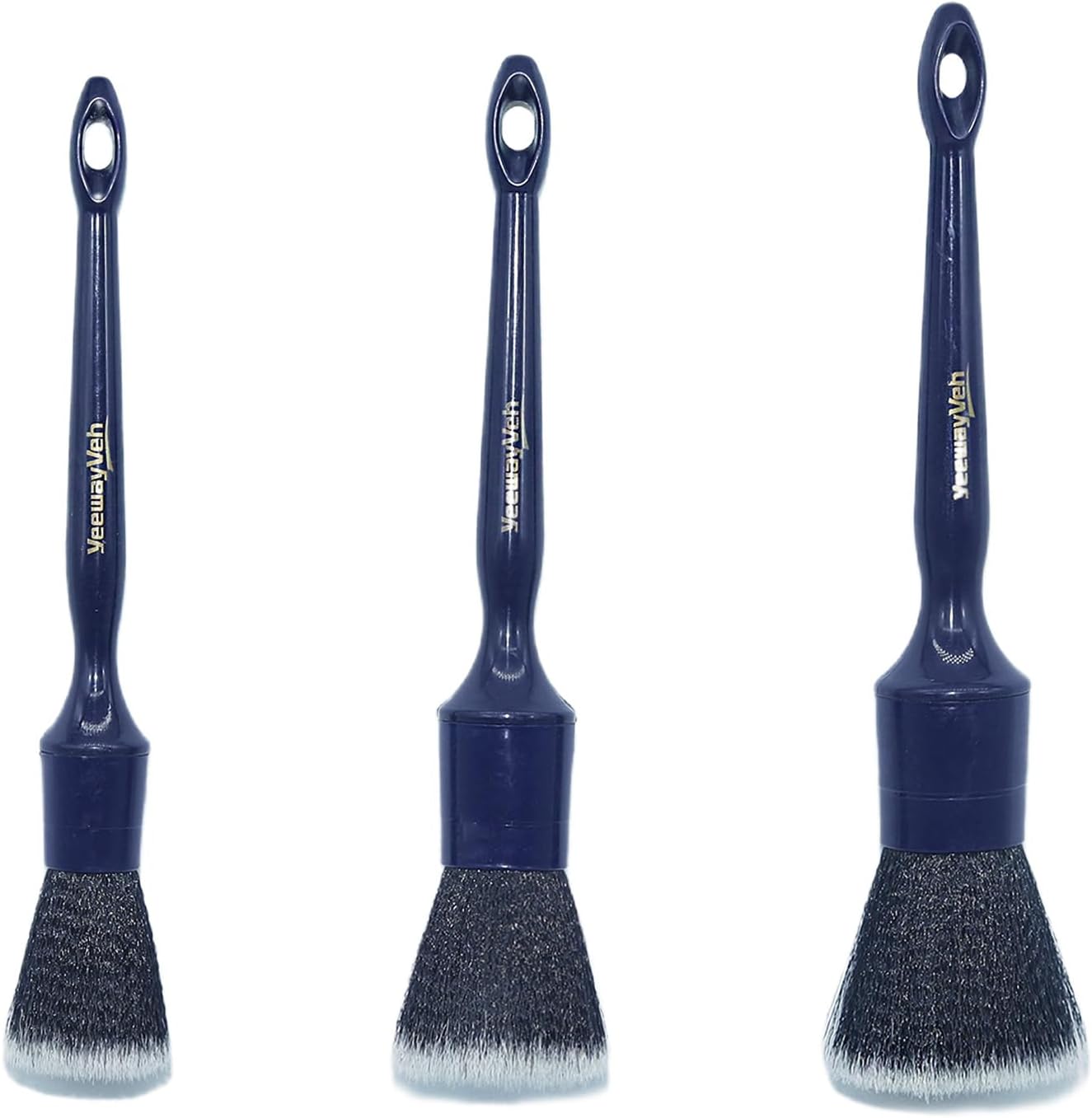
AC Vent Brushes for
Dust Accumulation
Narrow-profile brushes fit between AC louvre slats to remove dust buildup between professional filter services, without damaging the unit.
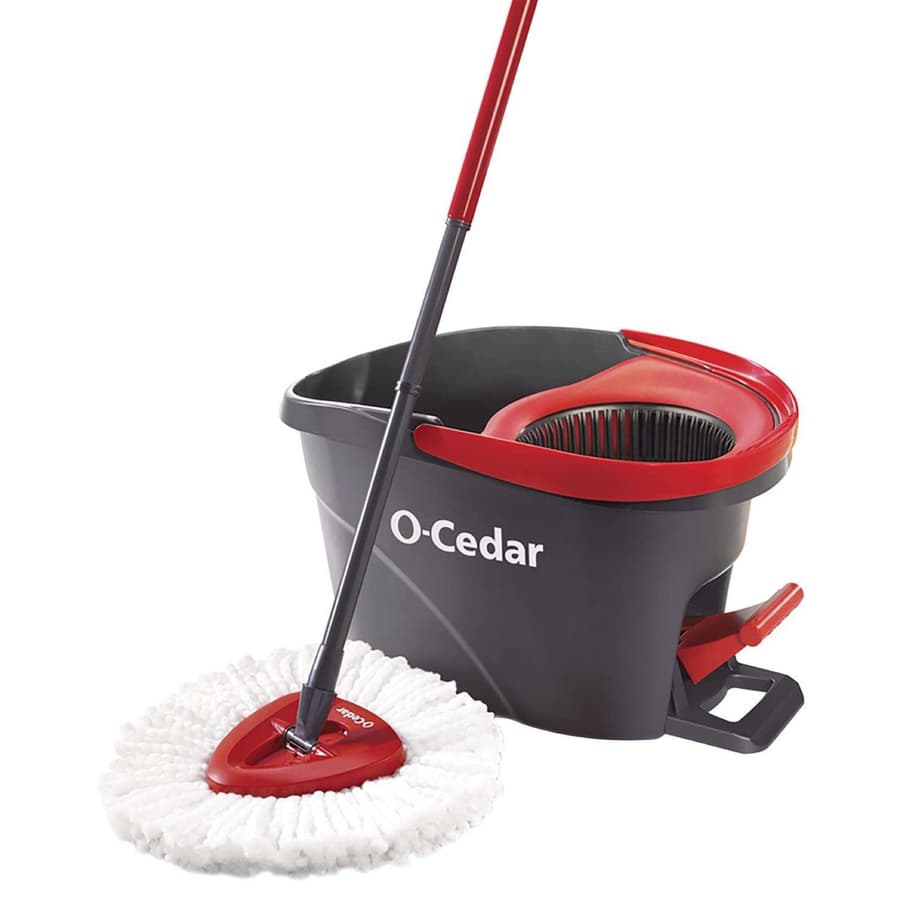
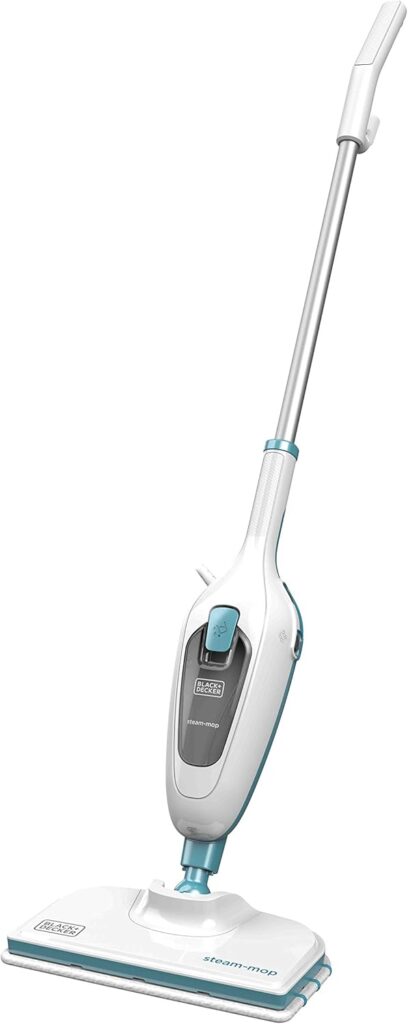
Spin Mops and Floor Mops
for post-cleaning
Spin mops with microfiber heads capture residual fine particles on hard floors when used after vacuuming that it may have missed.
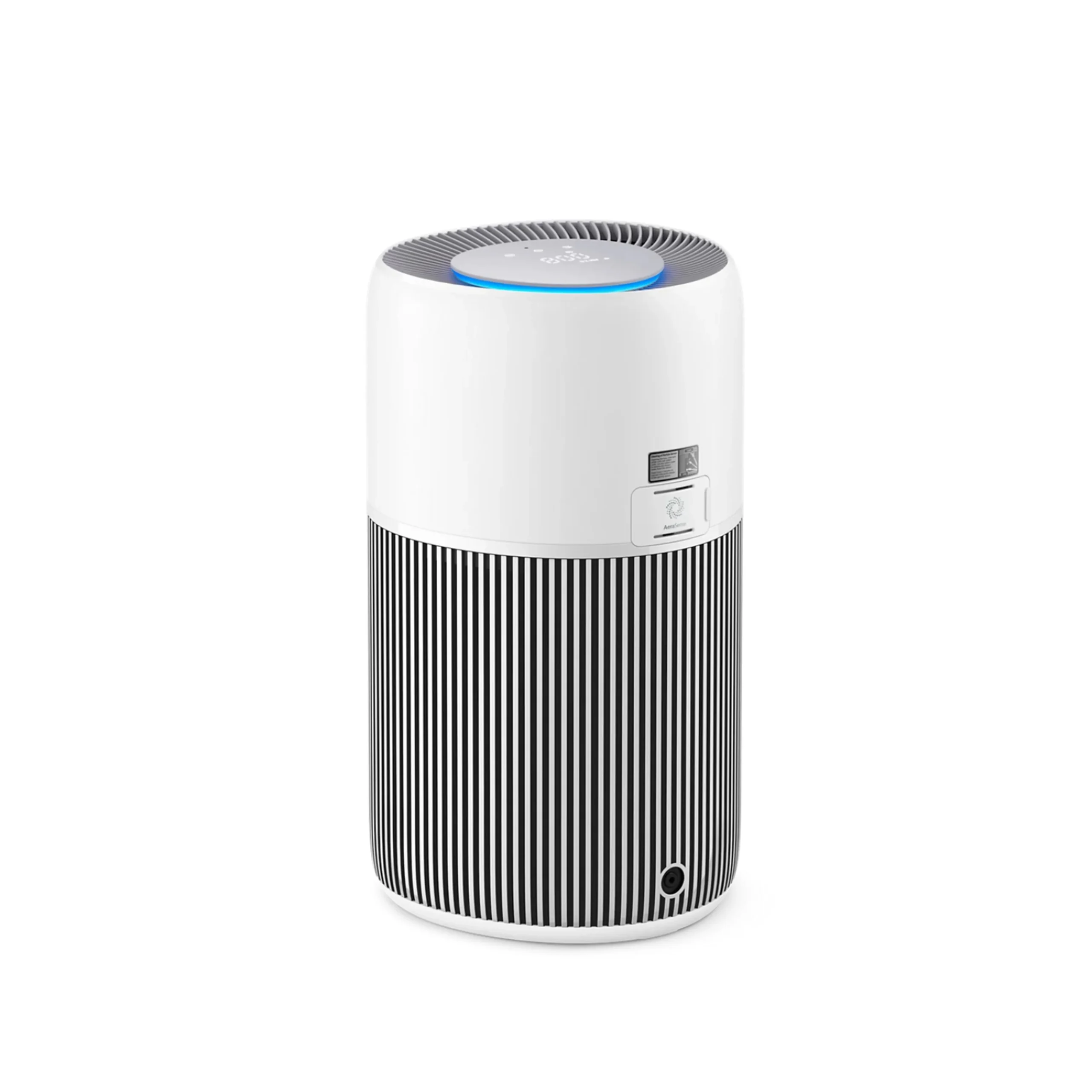
Air Purifiers for Managing
Fine Indoor Dust
HEPA air purifiers help reduce airborne dust and fine sand during dusty periods. Bedrooms and living rooms are the most common placement areas in UAE homes.