Quick Answer
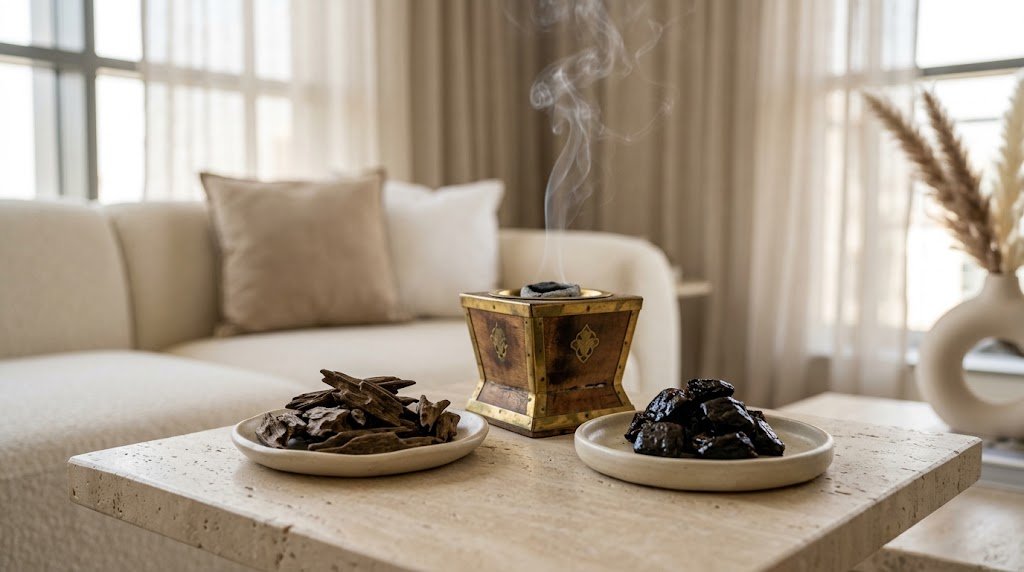
Oud is usually the raw aromatic wood (agarwood) or a fragrance derived from it, such as oud oil. Bakhoor is usually a prepared scented blend made for burning.
Some bakhoor contains oud, but not all bakhoor is pure oud. Whether either can be used in a particular burner depends on the material and the device.Bakhoor vs Oud at a Glance
| Feature | Oud | Bakhoor |
|---|---|---|
| What it is | Agarwood, the resin-rich heartwood of Aquilaria trees, or fragrance derived from it | A prepared scented material made for burning |
| Typical form | Natural wood chips, distilled oil, or an ingredient in perfume | Oil-treated wood chips, pressed pieces or blended mixtures |
| Main ingredients | Natural oud chips are pieces of agarwood | Varies by blend; may include wood, fragrance oils, resins and sometimes oud |
| How it is used | Chips are heated; oil and perfume are typically worn | Heated to release fragrant smoke for rooms, clothing and fabrics |
| Burn method | Chips are heated on charcoal or a suitable electric burner | Heated on charcoal or an electric burner designed for solid bakhoor |
| Scent profile | Often described as woody and resinous; varies by origin and grade | Depends on the blend; often more layered because of added oils |
| Smoke | Produces smoke when heated; amount depends on heat and quantity | Produces smoke when heated; oil content and heat affect the amount |
| Residue | Charred wood fragments; ash if charcoal is used | May leave sticky oil residue; ash if charcoal is used |
| Cost range | Natural agarwood is typically expensive and varies widely by grade | Spans a broad range from budget to premium blends |
| Best for | People who want the scent of the wood itself | People who want blended scents and more variety |
| Apartment practicality | Small amounts may be enough; ventilation is still needed | Easy to portion; ventilation is still needed |
What Is Oud?
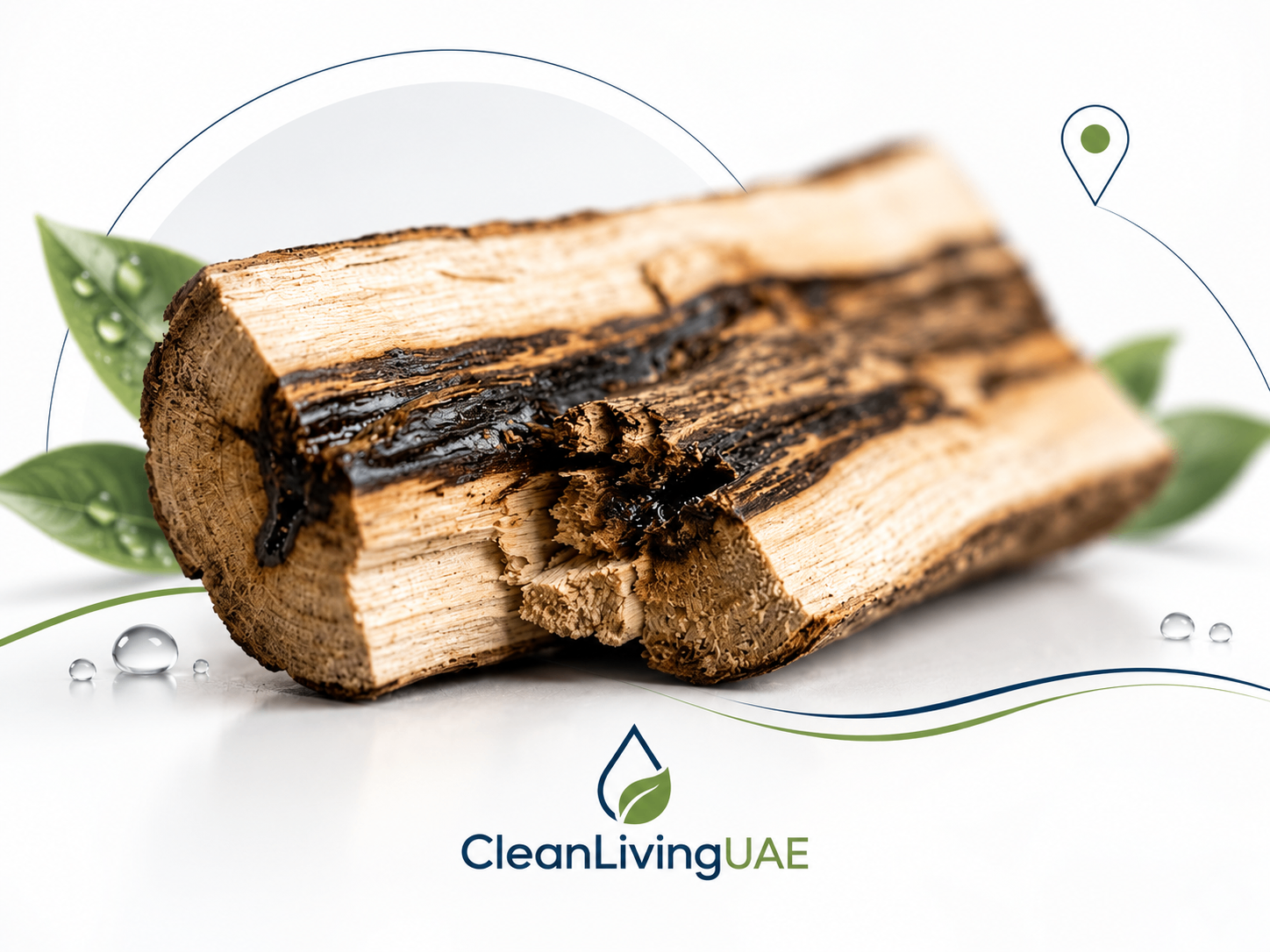
Oud (sometimes spelled oudh) is the Arabic-derived name commonly used for agarwood and for fragrance made from it. Agarwood is the dark, resin-impregnated heartwood that develops in some trees of the Aquilaria genus and the closely related Gyrinops genus.How Agarwood Forms
Conservation Status
According to CITES listing records, all Aquilaria and Gyrinops species are listed in Appendix II of the Convention on International Trade in Endangered Species of Wild Fauna and Flora (CITES). International trade in CITES-listed agarwood may require permits or documentation. Travellers should check current UAE customs and CITES requirements before carrying agarwood across borders.Oud Chips
Natural oud chips are pieces of agarwood sold for heating and are distinct from fragranced bakhoor blends. Quality, resin content and scent vary considerably depending on species, origin, which part of the tree the wood came from, and how it was processed.Oud Oil
Oud oil is an aromatic oil distilled from resin-rich agarwood, most commonly through hydrodistillation or steam distillation. It is sometimes called dehn al oud. Research describes oil yields from agarwood as low, which is one reason the natural oil is commonly associated with high prices. It is typically applied to skin or clothing in small amounts, or used as a perfumery ingredient.Oud Perfume
Oud perfume is a fragrance marketed around the scent of agarwood. It may contain natural oud oil, a synthetic or reconstructed accord, or a combination of both. The word “oud” on a perfume label does not, by itself, confirm that natural agarwood is present.What Is Bakhoor?
Bakhoor (also written bukhoor or bakhour) comes from the Arabic word for incense. In UAE homes and shops, the term usually refers to scented material prepared specifically for burning.Common forms include:- Wood chips soaked in fragrant oils and left to absorb them
- Pressed or moulded pieces made from ground wood and aromatic ingredients
- Blended mixtures that may combine wood, resins, fragrance compounds and sweetening or binding agents
What Is Oud Bakhoor?
Oud bakhoor is bakhoor marketed around the scent of agarwood. Depending on the maker, it may contain natural agarwood chips or powder, oud oil, agarwood-style fragrance oils, or a combination. The term describes the scent direction of the product rather than a fixed recipe, so the proportion of natural agarwood can vary considerably between products labelled oud bakhoor or bakhoor oud.Is Bakhoor the Same as Oud?
No, not exactly. The two overlap, but they describe different things:- Oud can be a raw material, such as natural agarwood chips
- It can also be an ingredient, such as oud oil added to a bakhoor blend or a perfume
- Bakhoor is usually a finished, prepared product designed for burning
- Some bakhoor is oud-focused and contains a meaningful amount of agarwood
- Some bakhoor contains little or no natural agarwood and relies on other woods and fragrance oils
Key Differences Between Bakhoor and Oud
The difference between oud and bakhoor becomes clearer when the two are compared across seven practical areas.1. Material
Natural oud chips are agarwood and nothing else. Bakhoor is a prepared blend that may or may not include agarwood.2. Preparation
Agarwood chips are typically cleaned and cut but not perfumed. Bakhoor is usually soaked, mixed, pressed or matured with oils and other aromatic ingredients before sale.3. Scent
Oud is often described as woody, resinous and deep, although the scent varies with species, origin and grade. Bakhoor scent depends on the blend and may lean sweet, floral, spicy, musky or woody. Scent perception is personal, and descriptions from sellers should be treated as general guidance.4. Burning Method
Both may be heated on charcoal in a mabkhara in traditional use. Many electric burners are also designed to heat chips or solid bakhoor without charcoal. Both work on the same principle: heat releases aromatic compounds from the material as fragrant smoke.5. Smoke and Residue
Both produce smoke when heated. The amount depends on the material, the quantity used and the heat source. Oily bakhoor blends may leave sticky deposits, while agarwood chips tend to leave charred fragments. Charcoal adds its own ash and combustion by-products regardless of which material is used.6. Cost
Natural agarwood is commonly associated with high prices because supply is limited and formation is slow. Bakhoor spans a broader range, from inexpensive everyday blends to premium products containing a higher proportion of agarwood. Price is not a reliable indicator of how much natural agarwood a product contains.7. Best Use
Oud chips tend to suit people who want to experience the scent of agarwood directly. Bakhoor tends to suit people who prefer blended, ready-to-use fragrances and more variety between products.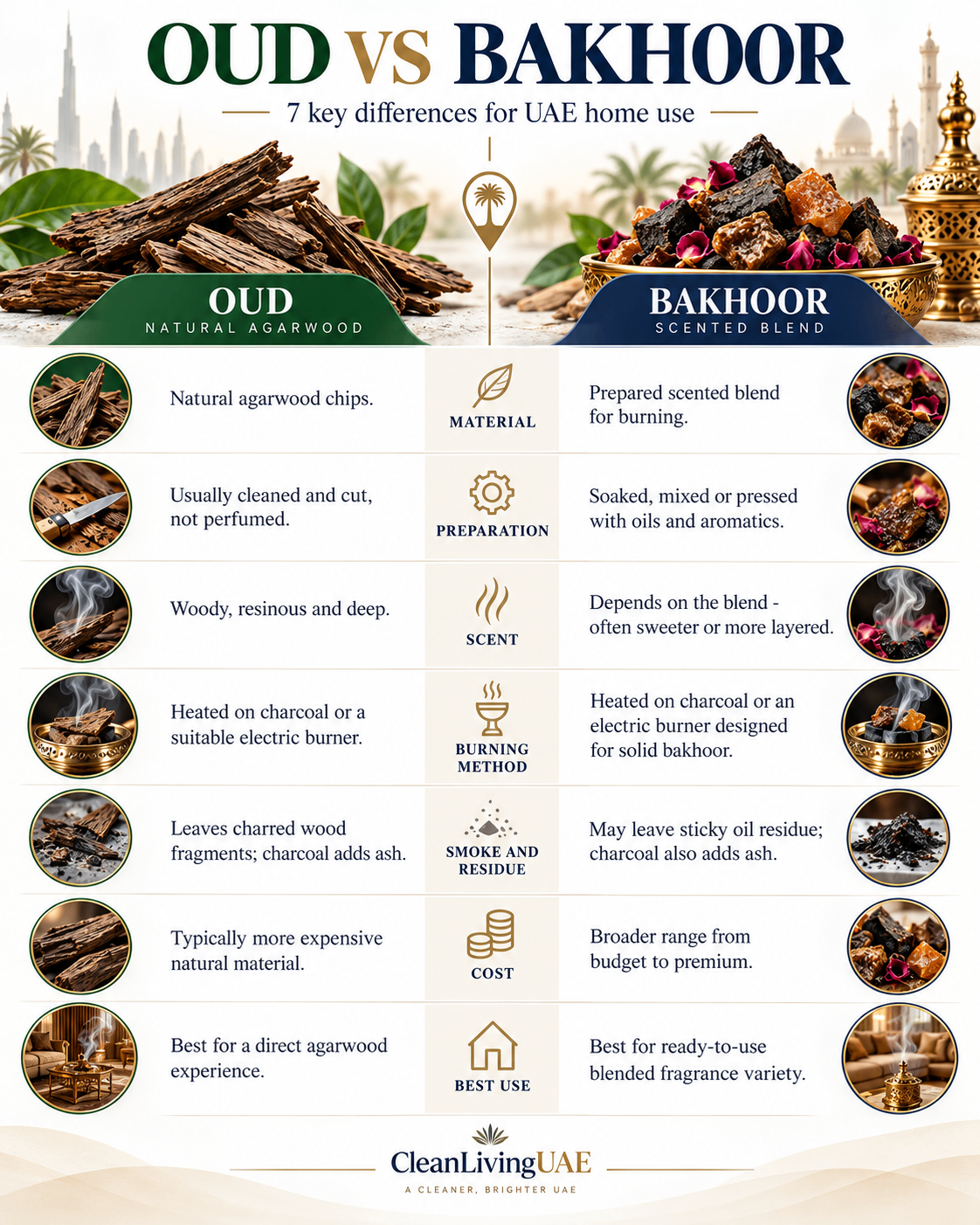
Oud Wood vs Oud Oil vs Oud Perfume
Oud wood, oud oil and oud perfume share a name but are used very differently.
| Type | What It Is | Burned? | Typical Use |
|---|---|---|---|
| Oud wood/chips | Pieces of natural, resin-rich agarwood | Yes, heated on charcoal or a suitable burner | Scenting rooms, clothing and fabrics |
| Oud oil | Aromatic oil distilled from agarwood | Not typically; only in devices that specifically support oils | Worn in small amounts or used in perfumery |
| Oud perfume | A fragrance using natural oud, synthetic oud accords or both | No | Worn on skin or clothing |
What Is a Mabkhara?
A mabkhara is a traditional burner used for bakhoor, oud chips and other incense. In English product listings, the spelling may vary, including mabkhara, mubkhar, mabkhra and mabkhar. The term is often used interchangeably with Arabic incense burner.Traditional designs usually have a raised bowl that holds lit charcoal, with the aromatic material placed on top. Modern versions may use electric heating instead of charcoal. Designs range from simple ceramic or metal bowls to decorative wooden pieces with metal lining.Can You Burn Oud and Bakhoor in the Same Burner?
In many cases, yes, but compatibility depends on the burner.- A traditional charcoal mabkhara is commonly used for both materials, since both are placed on or near hot charcoal
- Electric burners vary considerably in design and heat output
- Some electric burners are designed for chips or solid bakhoor
- Some include a separate dish intended for oils
- Manufacturer instructions should determine what can be used in any electric device
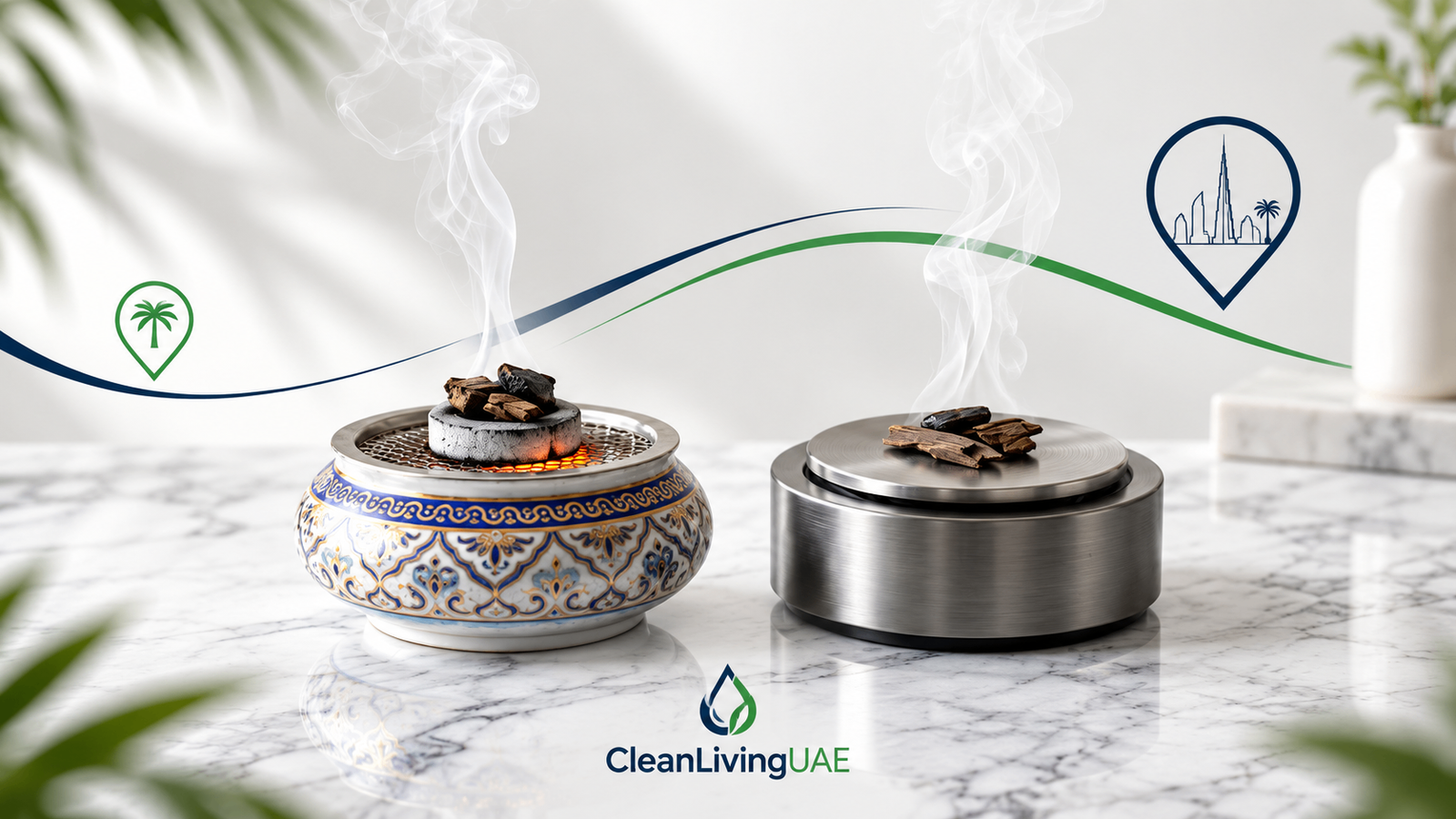
Charcoal vs Electric Heating
| Heating Method | How It Works | Ash | Points to Consider |
|---|---|---|---|
| Charcoal | Lit charcoal heats the material from below | Yes, from the charcoal | Adds combustion by-products; needs safe lighting, extinguishing and ash disposal |
| Electric | A heating plate warms the material | No charcoal ash | Still produces fragrance smoke; compatibility depends on the device |
Which Is More Practical for UAE Apartments?
There is no universal answer. Practicality depends more on the home and the burner than on which material is used.
Room Size and Ventilation
Smaller rooms and studio apartments concentrate smoke more quickly. Where windows stay closed and AC runs for long periods, short burning sessions followed by ventilation, where outdoor conditions allow, can help limit how long smoke lingers.Smoke Detectors and Building Rules
Incense smoke can trigger smoke detectors, particularly when used directly below or near a detector. Some buildings and landlords also set rules for smoke-producing activities, so checking building guidelines before regular use is advisable.AC Circulation
In homes with ducted or central AC, smoke and scent may be drawn into return vents and spread to other rooms. Residue may also collect on AC filters over time, which is one reason regular AC filter cleaning is worth including in a home routine.Neighbours and Shared Spaces
In apartment buildings, smoke and strong scents can travel through corridors, shared ventilation or balcony gaps. Using smaller amounts can help limit strong scent and smoke in shared residential settings.Cleaning Effort
Charcoal ash, oily residue and charred material all add cleaning work. In UAE homes, where fine dust already settles quickly on surfaces, this residue can combine with dust and make wiping more difficult.How Each Compares in Apartments
Bakhoor may:- Be easier to portion into small pieces
- Offer more fragrance variety
- Still produce smoke when heated, especially oil-rich blends
- Be used in small quantities, depending on chip size, resin content and desired scent intensity
- Vary considerably in scent from one batch or grade to another
- Still require suitable heating and ventilation
Bakhoor, Oud and Indoor Air Quality
Published studies have identified incense burning as a source of indoor particulate matter and combustion-related pollutants, with measured levels varying by material, amount burned, room size and ventilation. Research on Arabian incense, including a UAE health risk assessment in Science of the Total Environment and a 2026 study in Atmospheric Chemistry and Physics, has reported fine and ultrafine particles, volatile organic compounds, and gases such as carbon monoxide when burned on charcoal.It helps to separate three sources:- Charcoal combustion produces its own smoke, ash and gases such as carbon monoxide
- Electric heating removes charcoal combustion but does not remove emissions from the heated material
- The aromatic material itself releases particles and volatile compounds when heated
Which Creates More Cleaning Residue?
Residue depends on the material, the quantity and the heat source, so none of the following applies in every case:- Oily bakhoor blends may leave sticky residue on burner surfaces and, over time, on nearby walls, ceilings or fabrics
- Charcoal creates ash that needs to cool fully before disposal
- Agarwood chips may leave charred material in the burner
- Electric heating avoids charcoal ash but does not prevent oily fragrance residue from building up on the heating plate
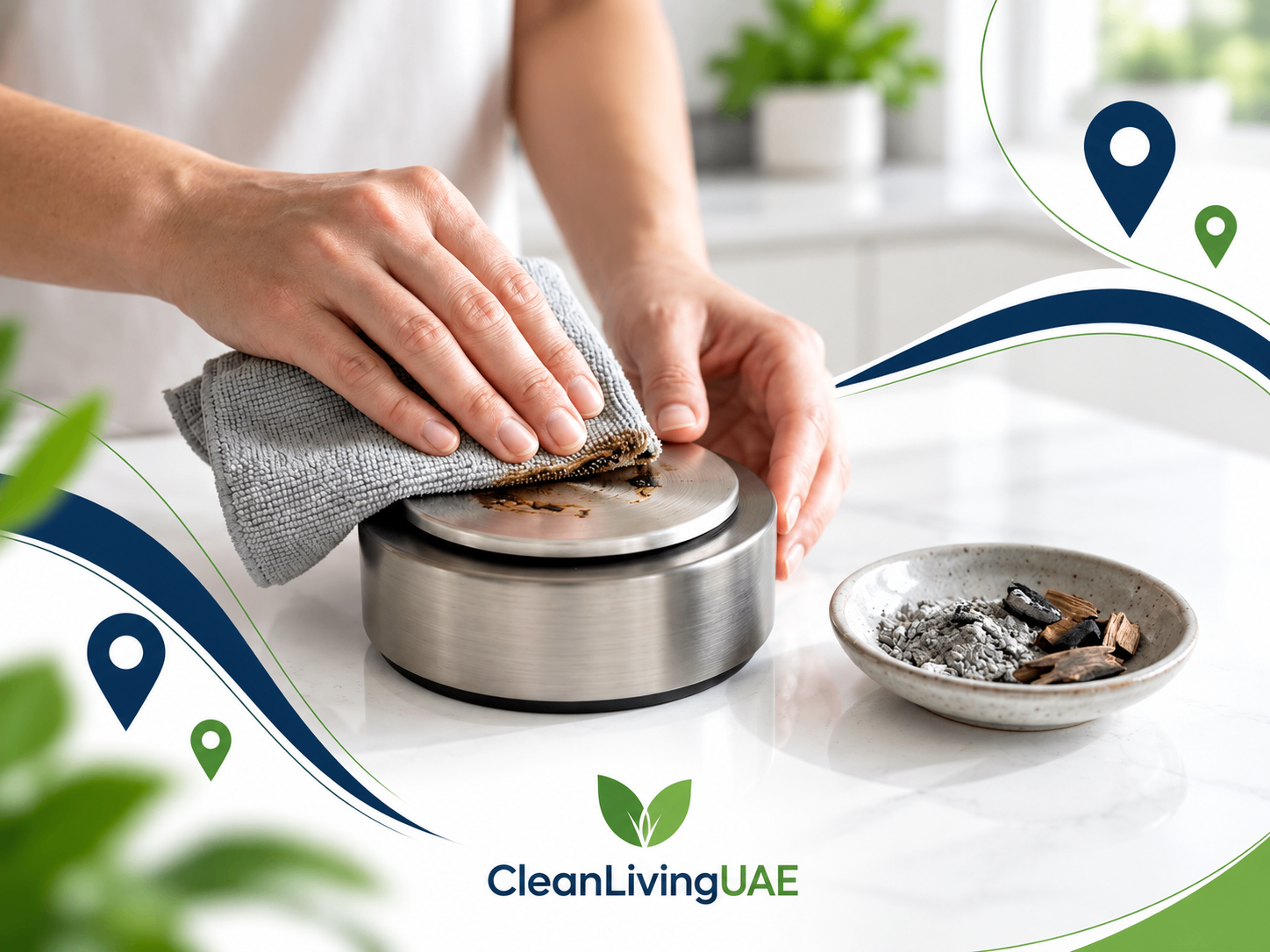
- Letting any burner cool completely before cleaning
- Removing ash and charred pieces after each session rather than letting them accumulate
- Wiping electric heating plates according to the manufacturer’s instructions
- Placing the burner on a heat-resistant, easy-to-clean surface away from curtains and soft furnishings
- Checking nearby surfaces periodically for a sticky film, which tends to attract fine dust
How to Choose Between Oud and Bakhoor
A simple way to decide:Choose oud chips if:- You want the wood itself rather than a blend
- You prefer a more direct agarwood experience
- You have a suitable burner
- You prefer blended fragrances
- You want more scent variety
- You want prepared material made for burning
- You want to avoid charcoal ash
- The selected material is compatible with the device
- You prefer traditional heating
- You can manage ash and ventilation appropriately
Bakhoor vs Oud – Quick Verdict
Oud and bakhoor are related but different. Oud may be a raw material, such as agarwood chips, or a fragrance ingredient, such as oud oil. Bakhoor is usually a prepared product made for burning, and it may or may not contain natural agarwood.Both can suit UAE homes when used in small amounts with suitable ventilation. The better choice depends on scent preference, burner compatibility, tolerance for cleaning and the ventilation available in the home.For a closer look at smoke exposure, see the guide on whether bakhoor smoke is harmful to indoor air.Frequently Asked Questions
What is the difference between bakhoor and oud?
Oud generally refers to agarwood or fragrance derived from it, such as oud oil. Bakhoor is a prepared scented material made for burning, which may or may not contain oud.
Is bakhoor made from oud?
Some bakhoor contains agarwood or oud oil, but not all. Many blends use other woods with fragrance oils, resins and other aromatic ingredients.
Is oud the same as incense?
Not exactly. Oud chips can be burned as incense, but agarwood also exists as oil and as a perfume ingredient that is worn rather than burned.
What are oud chips?
Oud chips are small pieces of natural agarwood, usually unperfumed, that release their scent when heated on charcoal or a suitable burner.
Can you burn oud chips in a bakhoor burner?
Often, yes. Traditional charcoal mabkharas are commonly used for both. For electric burners, compatibility depends on the device and the manufacturer’s instructions.
Can you use oud oil in an electric bakhoor burner?
Only if the manufacturer states that the burner supports oils, usually through a dedicated oil dish. Oils should not be placed on a heating plate designed for chips.
What is a mabkhara?
A mabkhara is a traditional burner used for bakhoor, oud chips and other incense. It may use charcoal or electric heating, and spellings vary in English listings.
Does bakhoor create more smoke than oud?
It depends on the blend, the amount used and the heat source. Oil-rich bakhoor may produce noticeable smoke, but agarwood chips also produce smoke when heated.
Which is better for UAE apartments – bakhoor or oud?
Neither is universally better. Small amounts, a compatible burner and good ventilation tend to matter more than the choice between bakhoor and oud.
Where can you buy bakhoor burners in the UAE?
Bakhoor burners are widely sold in UAE souks, perfume shops, home stores and online. For a comparison of options, see the guide to the best bakhoor burners in the UAE.
Related Guides on CleanLivingUAE
- Best bakhoor burners in the UAE
- Is bakhoor smoke harmful? UAE indoor air guide
- How to remove bakhoor residue and soot
- Indoor air quality in UAE homes
- Best air purifiers in the UAE
- AC filter cleaning guide for UAE homes
- How to clean dust and sand in UAE homes
Sources
This guide draws on botanical, conservation and indoor-air research, including the TRAFFIC report Heart of the Matter: Agarwood Use and Trade and CITES Implementation, the CITES CoP17 proposal on Aquilaria and Gyrinops listings, research published by the Royal Society in Royal Society Open Science on agarwood wound locations and volatile compounds, BMC Genomics on genes related to agarwood formation, the Data in Brief dataset on hydrodistilled essential oils from natural and induced agarwood, the Environmental Health Perspectives study Indoor Air Pollutants and Health in the United Arab Emirates, Science of the Total Environment’s health risk assessment of Arabian incense (Bakhour) smoke in the UAE, Air, Soil and Water Research’s Investigation of Indoor Air Quality inside Houses from UAE, and Atmospheric Chemistry and Physics’ 2026 study on ultrafine particles from indoor burning of Arabian incense.