Why Indoor Air Quality Matters in UAE Homes
Indoor air quality UAE residents experience daily is shaped by a combination of environmental factors that do not exist together in most other parts of the world. Desert dust, seasonal sandstorms, year-round AC operation, construction dust from ongoing urban development, and high coastal humidity in cities such as Dubai, Abu Dhabi, and Sharjah all contribute to an indoor environment that can carry significantly higher concentrations of airborne particles than outdoor air in temperate climates.
Unlike countries where windows are opened regularly for ventilation, UAE apartments and villas operate in a largely sealed environment for most of the year. Air conditioning runs continuously from April through October and is used heavily outside those months as well. This creates a closed loop in which dust, allergens, and fine particles circulate repeatedly through the same living space without being displaced by fresh outdoor air.
The consequences for residents range from minor irritation – persistent dust on surfaces, morning congestion, and dry throats – to more significant concerns for those with respiratory sensitivities, dust allergies, or young children in the household. Understanding what causes poor indoor air quality in UAE homes is the first step toward addressing it systematically.
For a practical overview of dust sources in UAE homes, see the guide on why dust builds up in UAE.
What Causes Poor Indoor Air Pollution in UAE Apartments and Villas
The sources of UAE indoor air pollution can be grouped into external sources that enter from outside and internal sources generated within the home itself.
External Sources
Desert dust is the dominant external source across all UAE cities. Fine mineral particles from the surrounding desert environment are carried into homes through gaps around windows and doors, balcony entries, and AC fresh-air intakes. During shamal wind events and sandstorms, the volume of particulate matter entering a home can increase sharply within a short period.
Construction activity is a persistent secondary source in cities such as Dubai and Abu Dhabi, where large-scale development projects generate silica dust, cement particles, and fine aggregate material that disperses into surrounding residential areas. Residents in districts near active construction sites commonly report heavier dust accumulation than those in fully developed neighbourhoods.
Outdoor traffic and industrial emissions contribute to PM2.5 and nitrogen dioxide levels in urban areas, particularly in higher-density districts. These particles are small enough to pass through standard window seals and door frames.
Internal Sources
AC systems are the most significant internal source of airborne particles in UAE homes. When AC filters are not cleaned or replaced on schedule, accumulated dust, mould spores, and biological material are distributed through the ductwork and discharged back into the living space. Ducted villa systems with extensive duct runs are particularly susceptible to this problem.
Soft furnishings including sofas, curtains, rugs, and mattresses trap and slowly release dust particles and allergens over time. In UAE apartments where windows remain closed, these particles have limited opportunity to escape and instead re-enter the breathing zone when disturbed.
Cooking activity, particularly frying and grilling, generates volatile organic compounds and fine particulate matter. In apartments with open-plan kitchen and living areas, these particles spread readily through the entire space.
Humidity-related mould growth in bathrooms, kitchen cabinets, and behind furniture in coastal areas generates biological spores that contribute to poor indoor air quality and can trigger allergic responses.
PM2.5 and Fine Desert Dust Explained
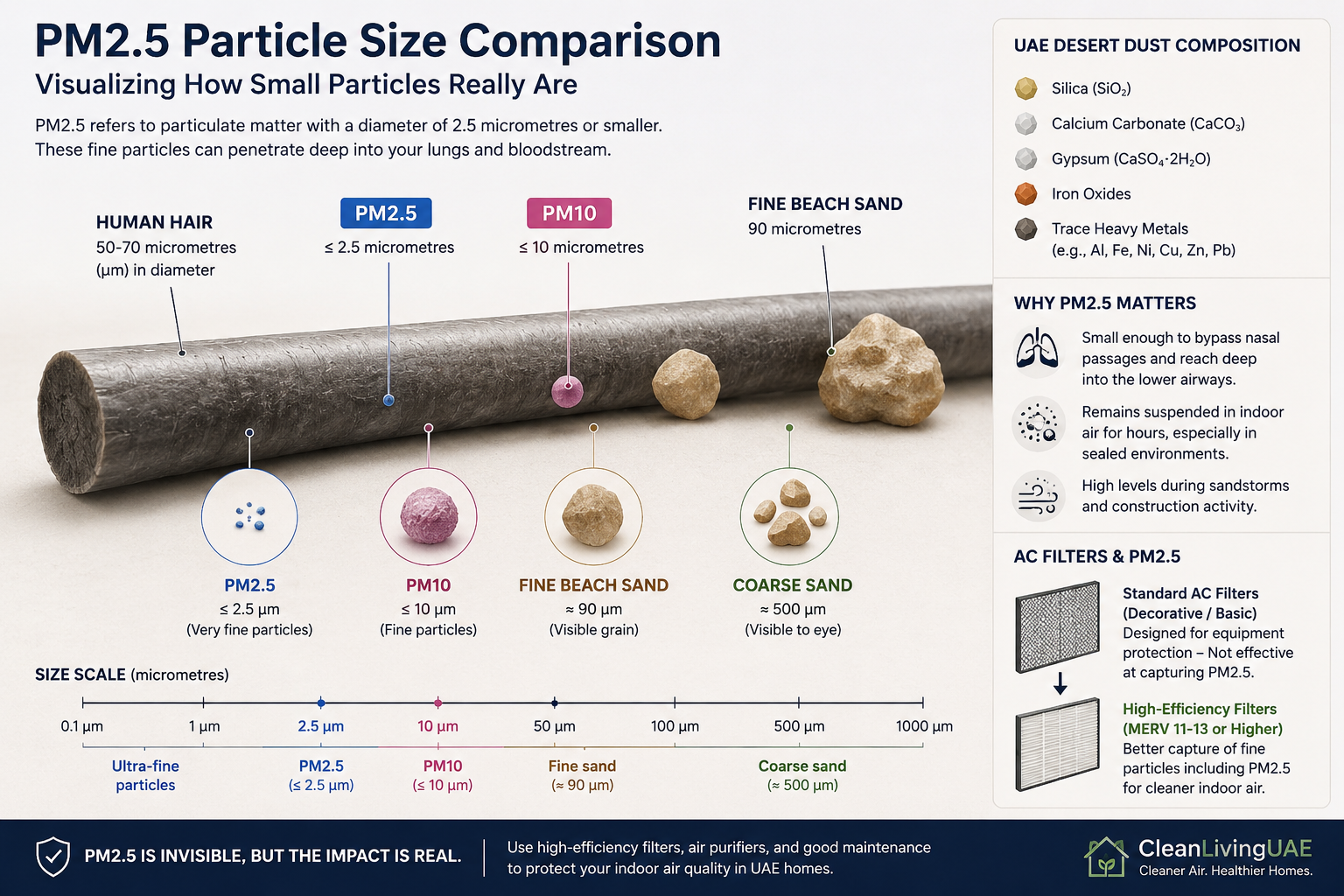
PM2.5 refers to particulate matter with a diameter of 2.5 micrometres or smaller. At this scale, particles are too small to be filtered by nasal passages and can reach the lower airways when inhaled. Desert dust in the UAE contains a high proportion of fine mineral particles in the PM2.5 and PM10 size range, generated by wind erosion of arid terrain.
Unlike the coarser sand particles that settle visibly on surfaces, PM2.5 particles remain suspended in indoor air for extended periods. In a sealed UAE apartment without active air filtration, fine particles introduced during a sandstorm or through AC fresh-air intake can remain airborne for several hours before settling.
The composition of UAE desert dust typically includes silica, calcium carbonate, gypsum, iron oxides, and trace heavy metals. These components are inert in small concentrations but become relevant at the elevated exposure levels that occur during sandstorm events or in homes located near construction sites.
Standard AC filters used in UAE residential split units and cassette systems are designed primarily for equipment protection and are not rated to capture PM2.5-sized particles. Upgrading to a higher-efficiency filter medium is one of the most direct interventions available to residents.
How Sandstorms Affect Dust and Allergens in UAE Homes
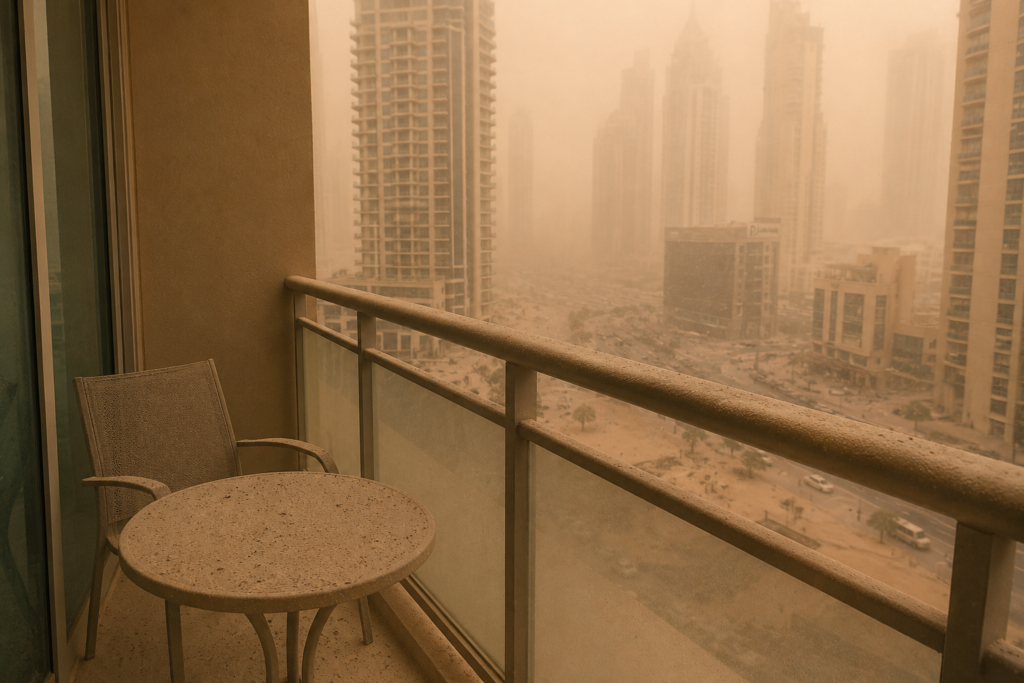
Sandstorms and shamal wind events are a recurring feature of UAE weather, occurring most frequently between March and June and again in autumn. During a significant sandstorm, outdoor PM10 concentrations can reach levels many times higher than normal background levels. Visibility reductions to under one kilometre are not uncommon in severe events.
The impact on indoor air quality begins before the storm arrives. Wind pressure differentials cause air to infiltrate through gaps around window frames, balcony door seals, and any unsealed cable or pipe penetrations. Fine dust enters the home ahead of the visible sand front and begins accumulating on surfaces and in AC systems.
During the storm, the most significant entry points are balcony doors, sliding windows, and AC fresh-air intake grilles. Apartments on higher floors are not necessarily better protected – wind speeds at elevation can increase infiltration pressure compared to ground-level units.
After the storm passes, indoor PM2.5 concentrations often remain elevated for several hours because fine particles that entered during the event continue to circulate in AC airflow. Surface dust is visible, but airborne particles are not, and many residents resume normal activity without realising that fine particle concentrations remain high.
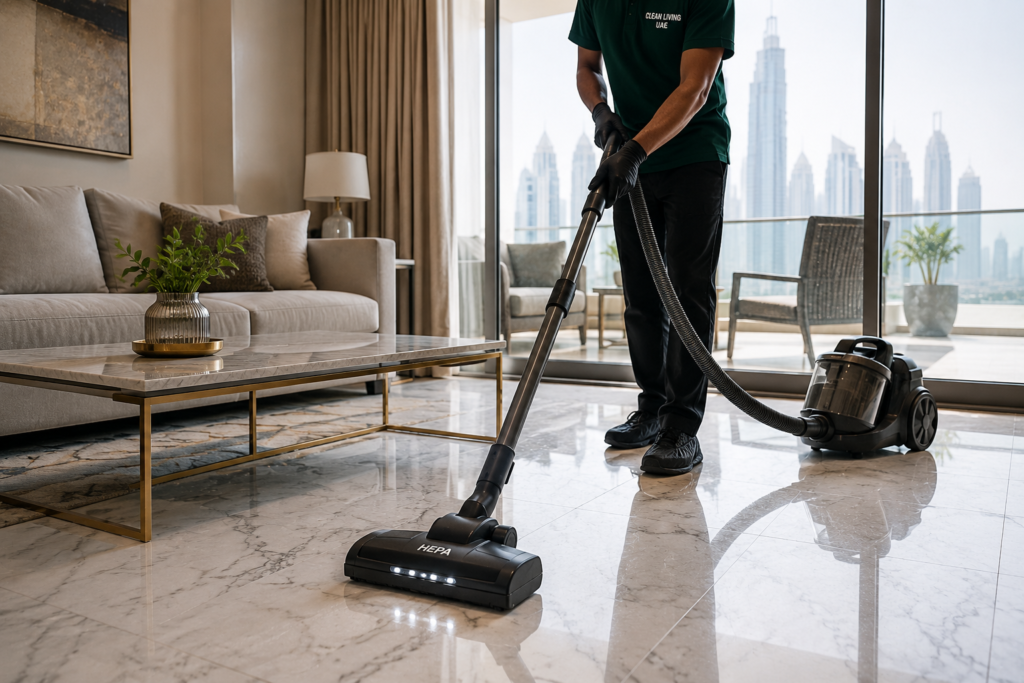
Post-sandstorm cleaning requires a specific sequence to avoid redistributing settled dust back into the breathing zone. Vacuuming with a HEPA-filtered vacuum before wiping, rather than sweeping or dry dusting first, significantly reduces re-suspension of fine particles.
For a complete post-sandstorm cleaning sequence, see the after-sandstorm cleaning checklist UAE.
AC Systems and UAE Home Air Quality
Air conditioning is central to indoor air quality in UAE homes in a way that has no equivalent in most other climates. Because UAE residents rely on AC for cooling, humidity control, and air circulation for most of the year, the AC system effectively functions as the primary air handling system for the entire home.
Persistent damp odours from the cooling system should be investigated rather than covered with fragrance. See the CleanLivingUAE guide to musty smells from AC for common causes, safe cleaning steps and signs that maintenance may be needed.
How AC Systems Affect Air Quality
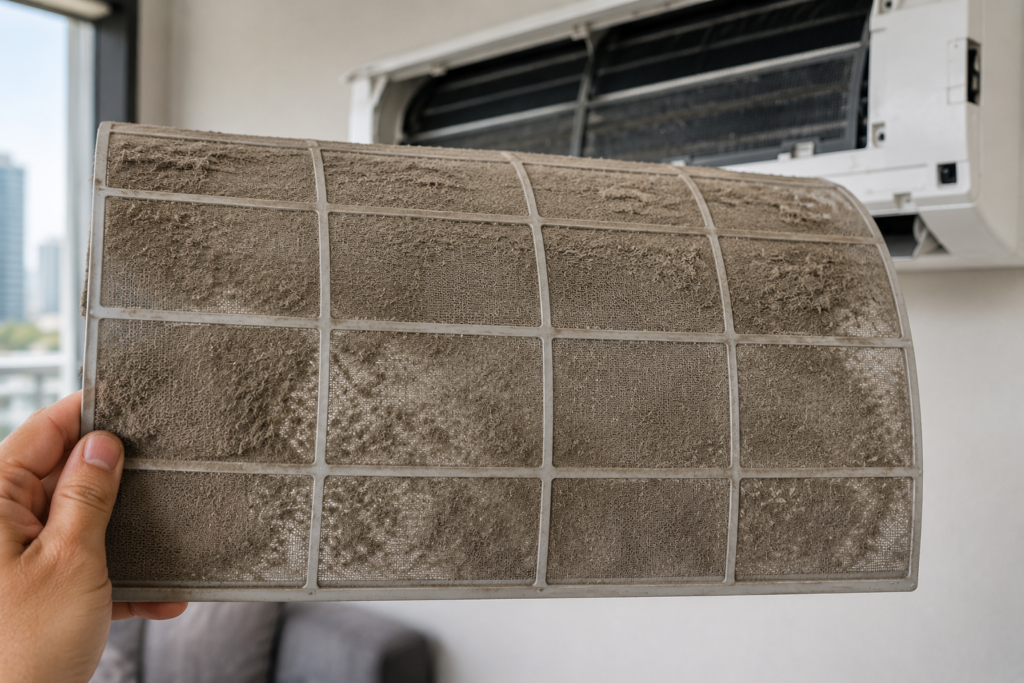
Split AC units, which are the most common type in UAE apartments, draw return air from the room, pass it over the evaporator coil, and discharge cooled air back into the space. The filter fitted in front of the evaporator coil captures larger dust particles. However, standard residential filters have low efficiency ratings and allow fine particles to pass through and accumulate on the coil and in the ductwork.
Over time, the coil surface develops a biofilm of dust, moisture, and biological material. When air passes over this surface, it picks up particles and discharges them into the room. This is the mechanism behind the dusty smell that many UAE residents notice when an AC unit has not been serviced recently.
Ducted central AC systems in larger apartments and villas have additional risk because of the surface area of the duct network. Dust that accumulates inside ducts is distributed to every room served by the system.
AC Filter Maintenance Schedule for UAE Conditions
Given year-round operation, UAE residents should clean or replace AC filters more frequently than manufacturer recommendations designed for temperate climates. A practical schedule for UAE conditions is:
- Filter cleaning: every 2 to 4 weeks during peak summer operation (June to September)
- Filter cleaning: every 4 to 6 weeks during cooler months
- Professional coil cleaning: every 6 to 12 months depending on dust exposure
- Professional duct cleaning: every 12 to 24 months for ducted systems
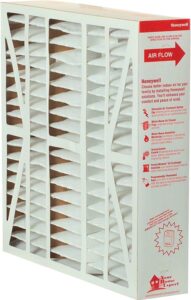
Upgrading the filter medium in split AC units to a higher-efficiency option is one practical step residents can take without professional assistance. Higher-rated filter media capture a greater proportion of fine particles without restricting airflow beyond the unit’s design tolerance.
Air Purifiers vs AC Filters
A common question among UAE residents is whether an air purifier or an upgraded AC filter provides better protection against fine dust and allergens. The two approaches are not mutually exclusive and address different aspects of indoor air quality.
| Feature | AC Filter Upgrade | Standalone Air Purifier |
|---|---|---|
| Covers whole home | Yes, if central AC | No, covers one room |
| Captures PM2.5 | Partially, depends on rating | Yes, with true HEPA filter |
| Removes biological particles | Partially | Yes, with HEPA and activated carbon |
| Requires professional fitting | Sometimes | No |
| Ongoing filter cost | Low to moderate | Moderate |
| Operates independently of AC | No | Yes |
| Effective during AC off periods | No | Yes |
| Suitable for UAE apartments | Yes, as baseline | Yes, as supplement |
AC filter upgrades provide broad coverage across the whole home at low cost but are limited by the efficiency ceiling of filters compatible with residential AC units. Standalone air purifiers with true HEPA filters offer higher particle capture efficiency in specific rooms but do not address the AC system itself.
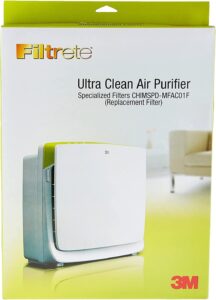
For UAE apartments, the most practical approach is to maintain AC filters on schedule, upgrade to the best-rated filter medium compatible with the unit, and add a standalone air purifier in the bedroom where cumulative overnight exposure is highest.
For a full review of air purifier options for UAE homes, see the guide to the best air purifiers UAE.
HEPA Filtration Explained for UAE Conditions
HEPA stands for High Efficiency Particulate Air. A true HEPA filter is rated to capture a very high proportion of particles at 0.3 micrometres in diameter, which represents the most penetrating particle size for fibrous filter media. Particles smaller and larger than this size are captured at even higher efficiency rates.
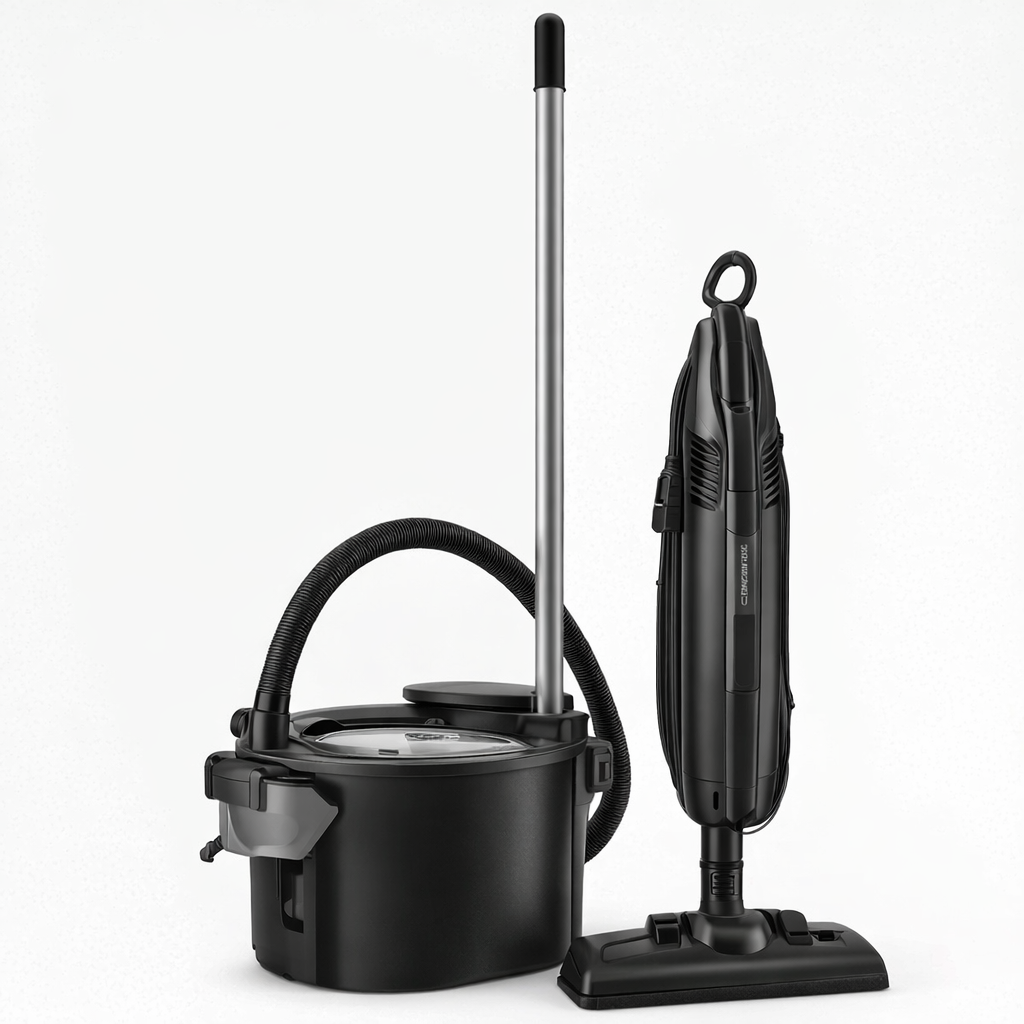
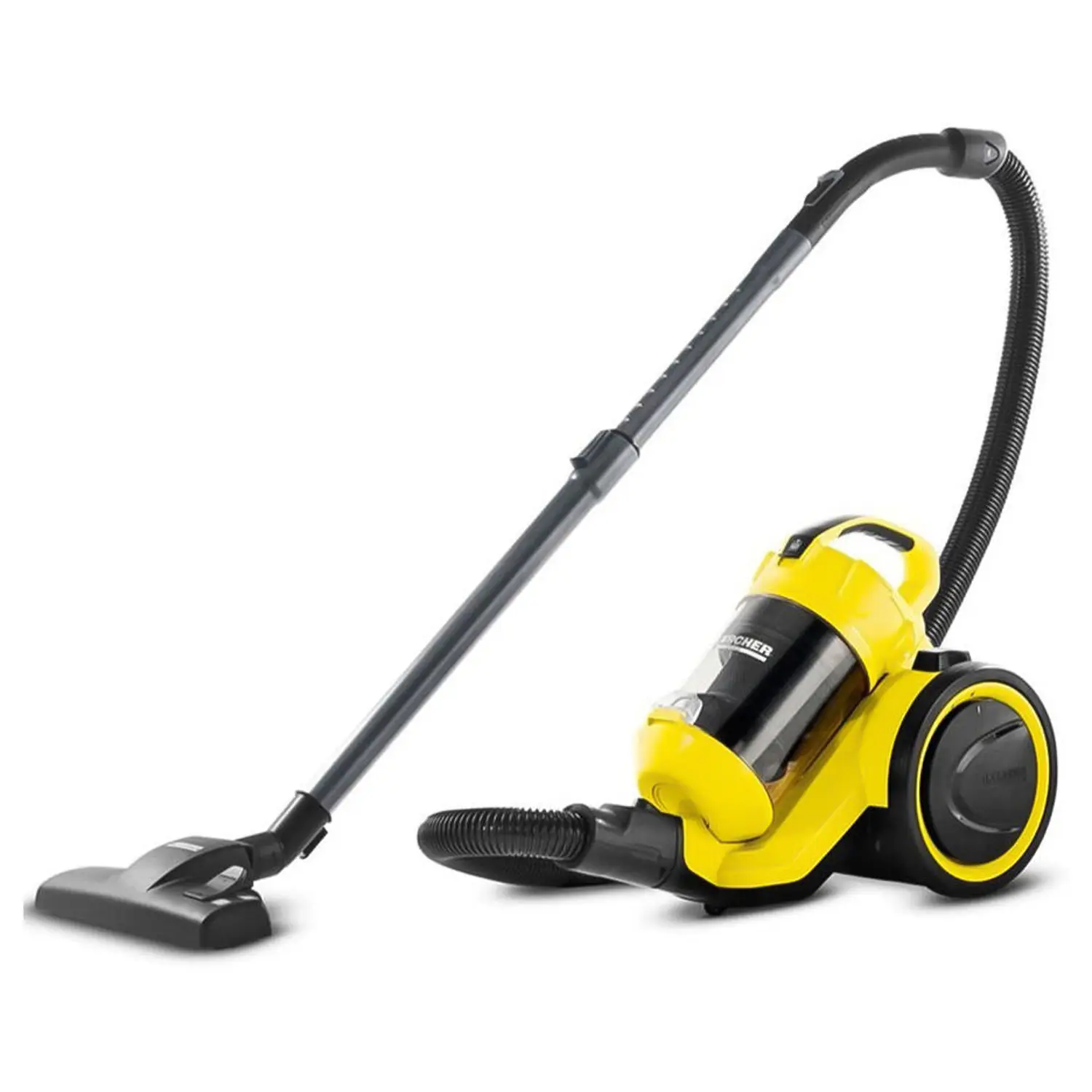
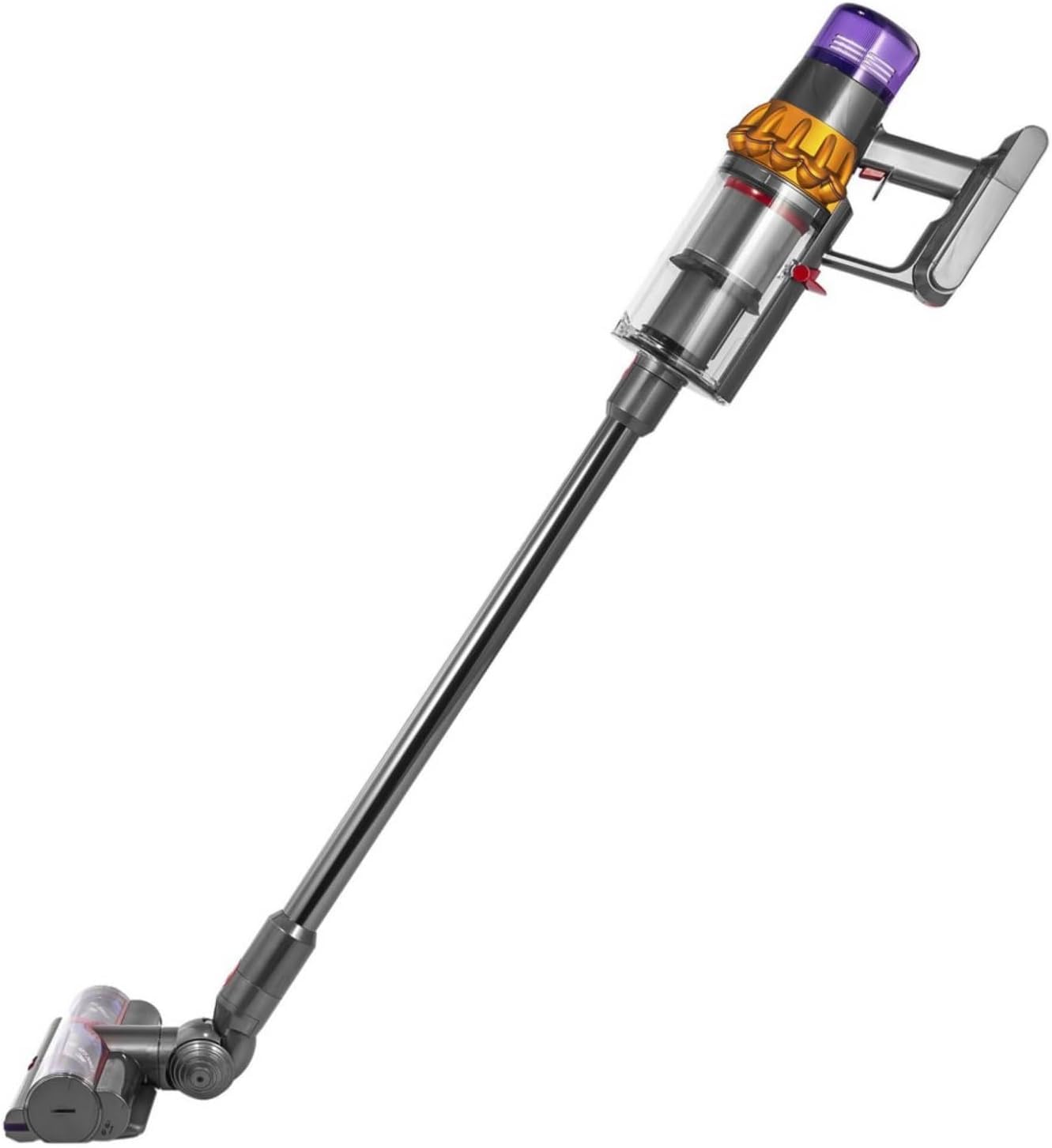
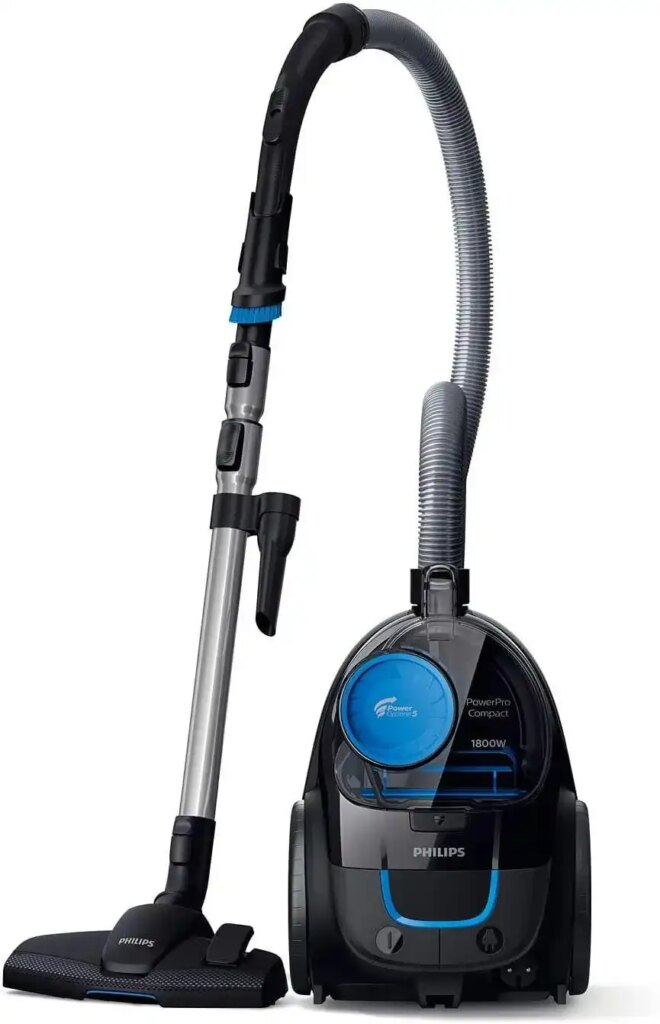
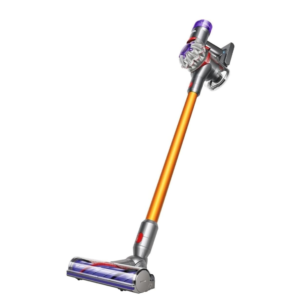
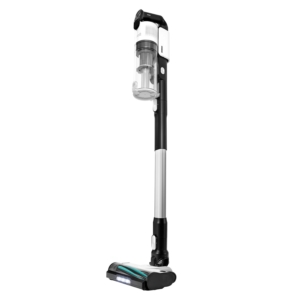
In UAE conditions, HEPA filtration is relevant in two contexts: vacuum cleaners and standalone air purifiers. A vacuum cleaner that lacks a sealed HEPA filtration system can capture coarse dust in the bin while exhausting fine particles back into the room through the motor exhaust. This is a common issue with budget vacuum cleaners widely available in UAE retail stores.
For UAE homes with significant fine dust exposure – particularly those near construction sites, on lower floors, or in older buildings with poorly sealed windows – a HEPA-filtered vacuum cleaner is a meaningful upgrade over a standard model. The benefit is most apparent after sandstorm events when fine particle loading on floors and soft furnishings is highest.
When evaluating HEPA claims on vacuum cleaners sold in UAE retail, it is worth checking whether the product specifies a sealed HEPA system rather than simply a HEPA-type filter. A sealed system prevents bypass of unfiltered air around the filter element.
For vacuum cleaner recommendations suited to UAE dust conditions, see the guide to the best HEPA vacuums UAE.
Best Ways to Reduce Dust and Allergens in UAE Homes
Reducing dust and allergens in UAE homes requires a combination of source control, barrier management, and cleaning routine. No single intervention eliminates the problem because dust enters through multiple pathways simultaneously.
Entry Point Control
Door mats at entry points capture coarse sand and dust before it is tracked into the home. A two-mat system – one outside the door and one inside – is more effective than a single mat. High-pile absorbent mats outside, combined with low-pile microfiber mats inside, address both coarse sand and fine dust particles carried on footwear.
Balcony doors and sliding windows are the highest-risk infiltration points in UAE apartments. Weather stripping on balcony door frames and sliding window tracks reduces dust infiltration during non-storm conditions. During sandstorm events, keeping balcony doors fully closed and placing a rolled towel at the base of the door provides additional protection.
Cleaning Sequence and Tools
The order of cleaning operations significantly affects whether fine particles are removed from the home or simply redistributed. The recommended sequence for UAE conditions is:
- Close all windows and balcony doors before cleaning
- Vacuum all floors, soft furnishings, and skirting boards using a HEPA-filtered vacuum
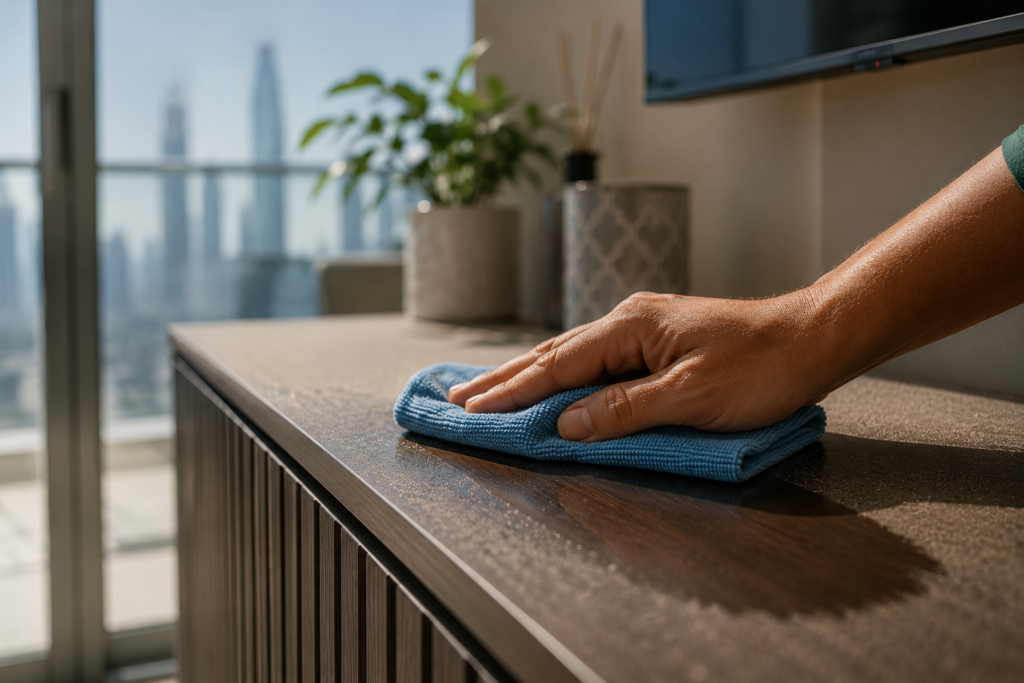
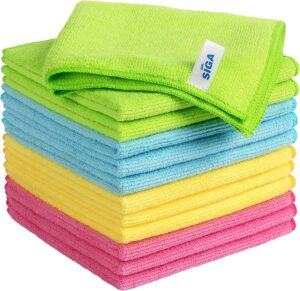
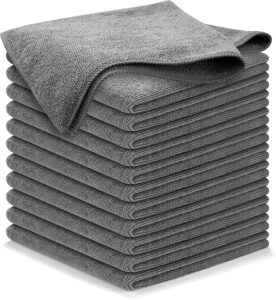
- Wipe all hard surfaces with a damp microfiber cloth
- Vacuum again lightly if visible dust has been dislodged
- Clean AC filters if due
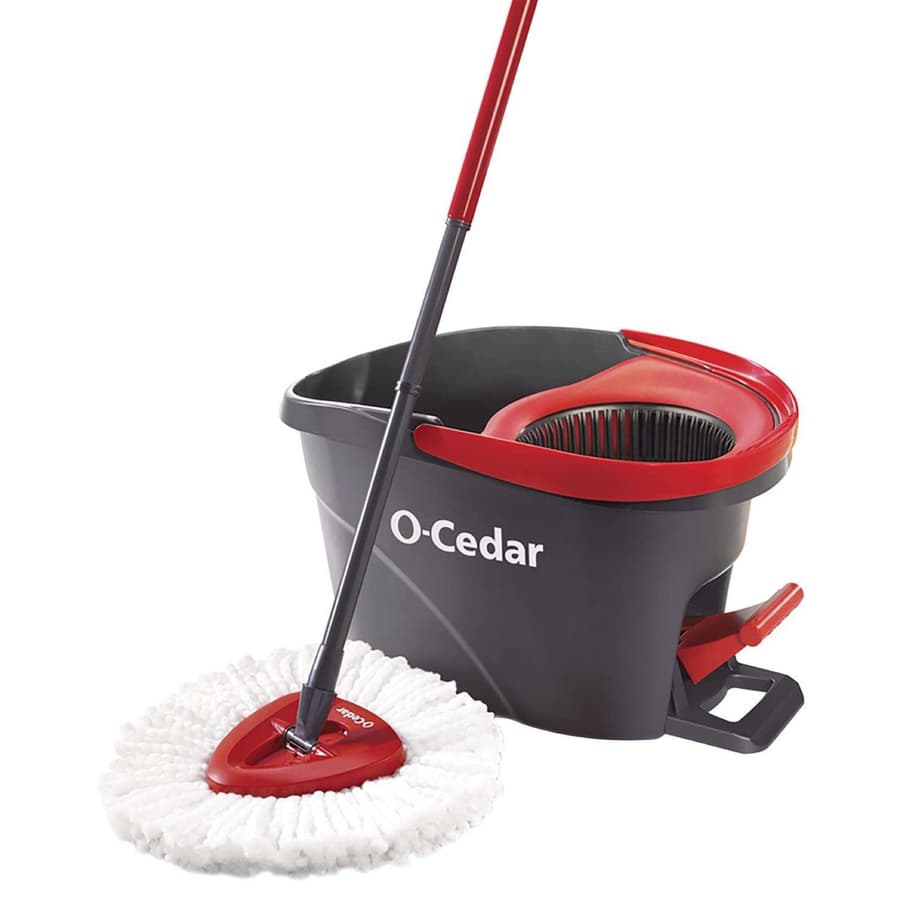
Dry dusting with feather dusters or dry cloths should be avoided as it displaces fine particles into the air without capturing them. Microfiber cloths used damp are significantly more effective at trapping fine UAE desert dust than conventional cotton cloths.
Decluttering
Open shelving, decorative objects, and fabric items such as cushions and throws accumulate dust rapidly in UAE conditions. Reducing the number of horizontal surfaces available for dust settlement decreases the total dust load in the home and makes routine cleaning faster and more effective.
For a structured cleaning routine suited to UAE apartments, see the daily cleaning routine for UAE apartments.
Bedroom Air Quality UAE
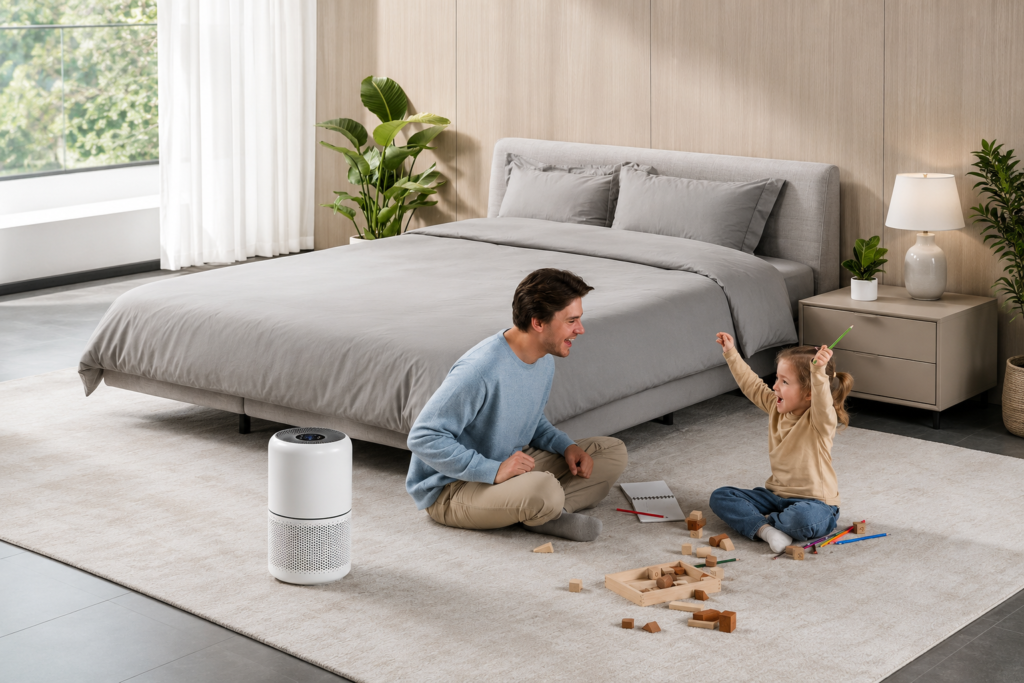
The bedroom is the highest-priority room for air quality management in UAE homes because residents spend approximately six to eight hours there during sleep. Cumulative overnight exposure to fine particles, dust mite allergens, and biological material from bedding is higher than in any other room.
Key Bedroom Air Quality Factors
Mattresses in UAE homes accumulate dust mite populations that thrive in the warm, humid microclimate created between the sleeping surface and the bedding. Mattress protectors with fine-weave fabric reduce the rate of dust mite colonisation and make the mattress surface easier to clean.
Curtains and soft furnishings in bedrooms trap dust and release it when disturbed. In UAE apartments, heavy curtains used for light and heat blocking are common dust reservoirs. Washing curtains every four to six weeks during peak dust season is recommended.
The bedroom AC unit or duct outlet is a direct source of fine particle discharge into the breathing zone during sleep. Ensuring that the bedroom AC filter is cleaned on schedule and that the unit is serviced annually reduces overnight particle exposure.
Bedroom Air Quality Recommendations
- Place a standalone air purifier near the bed, not directly facing the sleeping position
- Use mattress and pillow protectors with fine-weave fabric
- Wash bedding at 60 degrees or higher every one to two weeks
- Vacuum the mattress surface monthly
- Keep bedroom doors closed during post-sandstorm cleaning of other rooms
- Avoid storing clothing on open chairs or hooks where it accumulates dust
Indoor Allergens UAE Residents Commonly Face
UAE residents are exposed to a combination of allergens that reflects both the desert environment and the characteristics of sealed, air-conditioned living spaces.
Dust Mites
Dust mites are present in virtually all inhabited homes and are among the most common triggers of allergic rhinitis and asthma worldwide. In UAE apartments, dust mite populations are sustained year-round by the warm indoor temperatures maintained by air conditioning and the humidity introduced by cooking, bathing, and human respiration. Contrary to a common assumption, the dry desert climate outside does not prevent dust mite growth inside air-conditioned homes.
Desert Dust Mineral Particles
Fine mineral particles from UAE desert dust are not biologically active allergens in the same way as dust mites or pollen, but they are respiratory irritants and can act as carriers for biological material including mould spores and bacteria. Residents with existing respiratory sensitivities commonly report worsening symptoms during sandstorm periods.
Mould Spores
Mould growth in UAE homes occurs most commonly in bathrooms, kitchen areas, and behind furniture placed against exterior walls in coastal apartments. Mould spores released into the air are a recognised allergen and irritant. Coastal districts including Dubai Marina, JBR, and areas of Abu Dhabi with high ambient humidity are particularly susceptible.
Pet Dander
UAE pet ownership has grown significantly and pet dander – microscopic skin flakes from cats, dogs, and other animals – is a potent allergen that adheres to soft furnishings and circulates readily through AC systems. Residents with pets and dust sensitivities face a compounded allergen load.
Pollen
While UAE vegetation is limited compared to temperate climates, urban landscaping in cities such as Dubai and Abu Dhabi introduces grass pollen, palm pollen, and ornamental plant pollen into the outdoor environment. These particles enter homes through the same infiltration pathways as desert dust.
| Allergen | Primary Location in UAE Homes | Peak Season |
|---|---|---|
| Dust mites | Mattresses, sofas, carpets | Year-round |
| Desert dust particles | All surfaces, AC systems | March to June, autumn |
| Mould spores | Bathrooms, kitchens, coastal walls | June to September |
| Pet dander | Soft furnishings, AC ducts | Year-round |
| Pollen | Entry points, AC intake | Spring |
Mould and Humidity UAE Problems
Humidity management is a distinct indoor air quality challenge for UAE residents in coastal cities. While the desert interior of the UAE is arid, coastal areas including Dubai, Abu Dhabi, Sharjah, and Ajman experience significant ambient humidity, particularly during summer months from June to September when relative humidity regularly exceeds 80 percent.
The right appliance depends on whether the problem is airborne particles or low humidity. Our air purifier vs humidifier UAE guide explains how to decide using room conditions and hygrometer readings.
How Humidity Drives Mould Growth
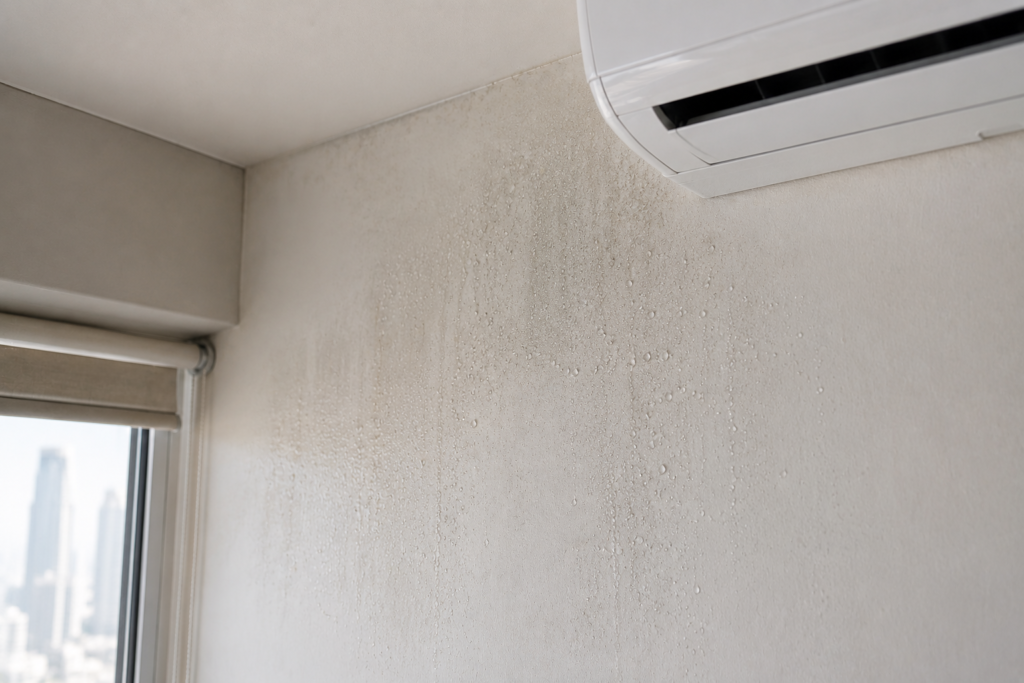
Mould requires a surface moisture level and relative humidity above approximately 60 percent to establish and grow. In UAE coastal apartments, the combination of high outdoor humidity, cold surfaces created by air conditioning, and condensation around AC units and water pipes creates localised moisture zones where mould growth initiates.
Common locations for mould in UAE apartments include:
- Bathroom ceilings and grouting
- Behind and underneath kitchen cabinets
- Behind furniture placed against exterior walls
- Around AC unit drain pipes and drip trays
- Inside wardrobes in rooms that receive limited AC airflow
- Underneath bathroom and kitchen sink cabinets
Dehumidifiers in UAE Homes
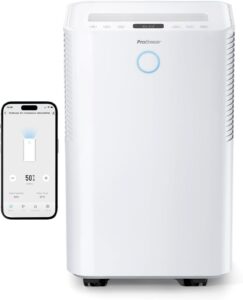
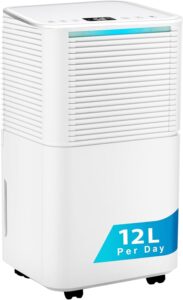
Standalone dehumidifiers are useful in UAE apartments where specific rooms or zones maintain elevated humidity despite AC operation. Bathrooms without adequate ventilation, storage rooms, and rooms with limited AC coverage are the most common candidates.
A dehumidifier draws room air over a cooled coil, causing moisture to condense and collect in a tank or drain, before returning drier air to the room. In UAE conditions, a dehumidifier in a problem room can reduce surface moisture sufficiently to slow or stop active mould growth.
See the air purifier vs dehumidifier UAE guide for a full comparison of both devices across UAE humidity and dust conditions.
| Humidity Level | Condition | Recommendation |
|---|---|---|
| Below 40% | Too dry, irritates airways | Reduce dehumidifier use |
| 40% to 60% | Optimal for health and comfort | Maintain this range |
| 60% to 70% | Elevated mould risk | Monitor and address ventilation |
| Above 70% | Active mould growth likely | Dehumidifier required |
Best Cleaning Habits for Clean Indoor Air in UAE Apartments
Consistent cleaning habits have a larger long-term impact on indoor air quality in UAE homes than any single product purchase. The following practices address the most significant sources of airborne particles in UAE apartments and villas.
Daily Habits
- Wipe entrance areas and door mats to prevent sand from being tracked further into the home
- Run AC on a regular schedule rather than switching it off for extended periods, as stagnant air accumulates particles faster than circulated air
- Keep balcony doors closed during windy conditions even in the absence of a visible sandstorm
Weekly Habits
- Vacuum all floors using a HEPA-filtered vacuum before mopping or wiping
- Wipe all horizontal surfaces including shelving, skirting boards, and window ledges with a damp microfiber cloth
- Clean AC filters if visible dust accumulation is present
- Wash kitchen cloths and bathroom towels
Monthly Habits
- Vacuum mattresses and upholstered furniture
- Clean AC filters on schedule regardless of visible dust
- Wipe ceiling fan blades and light fittings
- Check bathroom and kitchen areas for early signs of mould growth
- Wipe balcony threshold and door frame seals
Seasonal Deep Clean
- Professional AC coil and duct cleaning before peak summer season
- Wash curtains and soft furnishings
- Move furniture away from walls to clean behind and underneath
- Inspect window and door seals for gaps
Room-by-Room Indoor Air Quality Guide
Different rooms in UAE homes present different air quality challenges based on their function, AC configuration, and proximity to dust entry points.
Living Room
The living room in a UAE apartment is typically the largest space and the one most exposed to dust from the balcony entry point. Soft furnishings including sofas and rugs are the primary dust reservoirs. Vacuuming sofas and cushions weekly alongside floor vacuuming significantly reduces the settled dust load. Entry mats at the balcony door capture coarse particles before they spread to the rest of the room.
Bedroom
As covered in the bedroom section above, the priority in the bedroom is overnight exposure management. Air purifiers, mattress protectors, and regular bedding washing are the most impactful interventions.
Kitchen
The kitchen generates indoor air pollutants through cooking activity and is also susceptible to grease accumulation on surfaces above the cooking area. Range hood filters should be cleaned monthly. Cabinet interiors beneath the sink and in corners with limited airflow should be checked for humidity and mould monthly.
Bathroom
Bathrooms in UAE apartments are the room most susceptible to mould due to humidity generated by showering. Running the bathroom exhaust fan during and for at least 15 minutes after showering reduces surface moisture. Grouting should be inspected monthly and treated at the first sign of mould growth.
Home Office or Study
Home offices accumulate dust on electronic equipment, books, and cable bundles. Equipment fan exhausts discharge fine dust into the immediate breathing zone. Wiping equipment surfaces weekly and ensuring the room AC filter is clean reduces particle concentration in spaces where residents spend extended seated periods.
Storage Rooms and Wardrobes
Storage areas in UAE homes are frequently neglected and can develop significant mould and dust accumulation. A small dehumidifier or moisture-absorbing sachet in poorly ventilated storage areas reduces humidity-related problems.
| Room | Primary Air Quality Risk | Priority Action |
|---|---|---|
| Living room | Balcony dust entry, sofa dust | Weekly HEPA vacuum, balcony mat |
| Bedroom | Overnight allergen exposure | Air purifier, mattress protector |
| Kitchen | Cooking particles, cabinet mould | Range hood filter, monthly mould check |
| Bathroom | Humidity, mould growth | Exhaust fan, monthly grout inspection |
| Home office | Equipment dust, fine particles | Weekly surface wipe, AC filter check |
| Storage room | Humidity, mould | Dehumidifier or moisture absorber |
Indoor Air Quality Maintenance Timeline UAE
The following schedule provides a practical framework for UAE residents to maintain indoor air quality across the full year, aligned with UAE seasonal conditions.
| Task | Frequency | Season Notes |
|---|---|---|
| AC filter cleaning | Every 2 to 4 weeks | Increase to every 2 weeks June to September |
| HEPA vacuum all floors | Weekly | Increase frequency during sandstorm season |
| Damp microfiber wipe surfaces | Weekly | Essential after sandstorm events |
| Bedroom AC filter check | Monthly | Priority room for maintenance |
| Mattress vacuum | Monthly | Year-round |
| Bathroom mould inspection | Monthly | Fortnightly June to September |
| Dehumidifier tank check | Weekly during summer | Daily emptying may be needed |
| Air quality monitor review | Weekly or after sandstorm | Check PM2.5 and humidity |
| Professional AC coil clean | Every 6 to 12 months | Before summer recommended |
| Professional duct clean | Every 12 to 24 months | Villa ducted systems priority |
| Curtain washing | Every 4 to 6 weeks | More frequent in dusty districts |
| Balcony deep clean | Monthly | Increase during sandstorms |
How to Check Indoor Air Quality in UAE Homes Without Professional Testing
Many UAE residents assume that checking indoor air quality requires professional testing equipment or paid services. Based on UAE conditions, several practical indicators allow residents to assess air quality without specialist tools. Visible dust resettlement on furniture within 24 to 48 hours of cleaning is one of the most reliable signs that airborne particle levels are elevated.
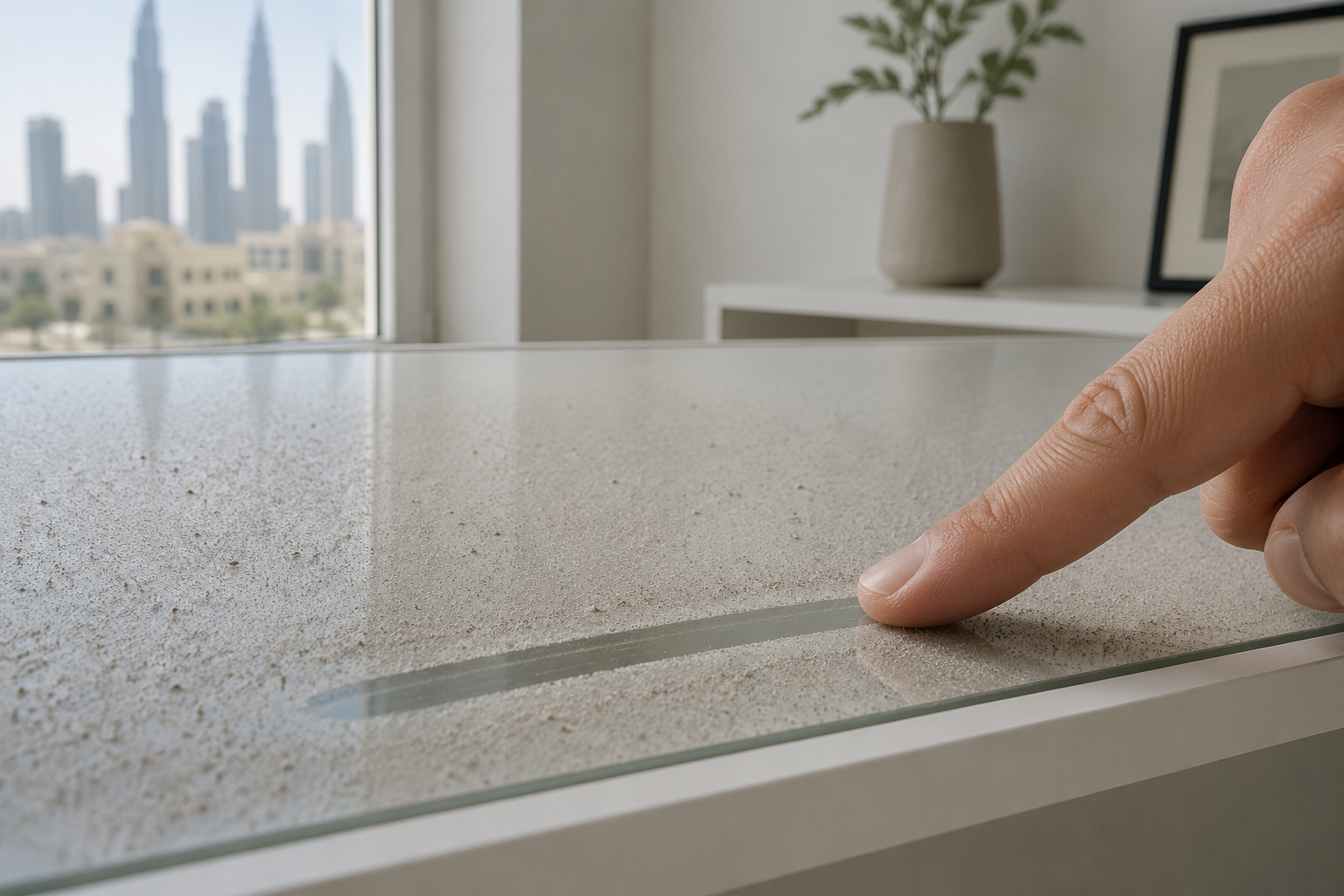
A persistent hazy or grey film on glass surfaces, mirrors, or TV screens indicates ongoing fine particle circulation. A musty or stale smell from AC vents when the system first starts suggests filter contamination or internal moisture buildup that is affecting the air being distributed through the apartment.
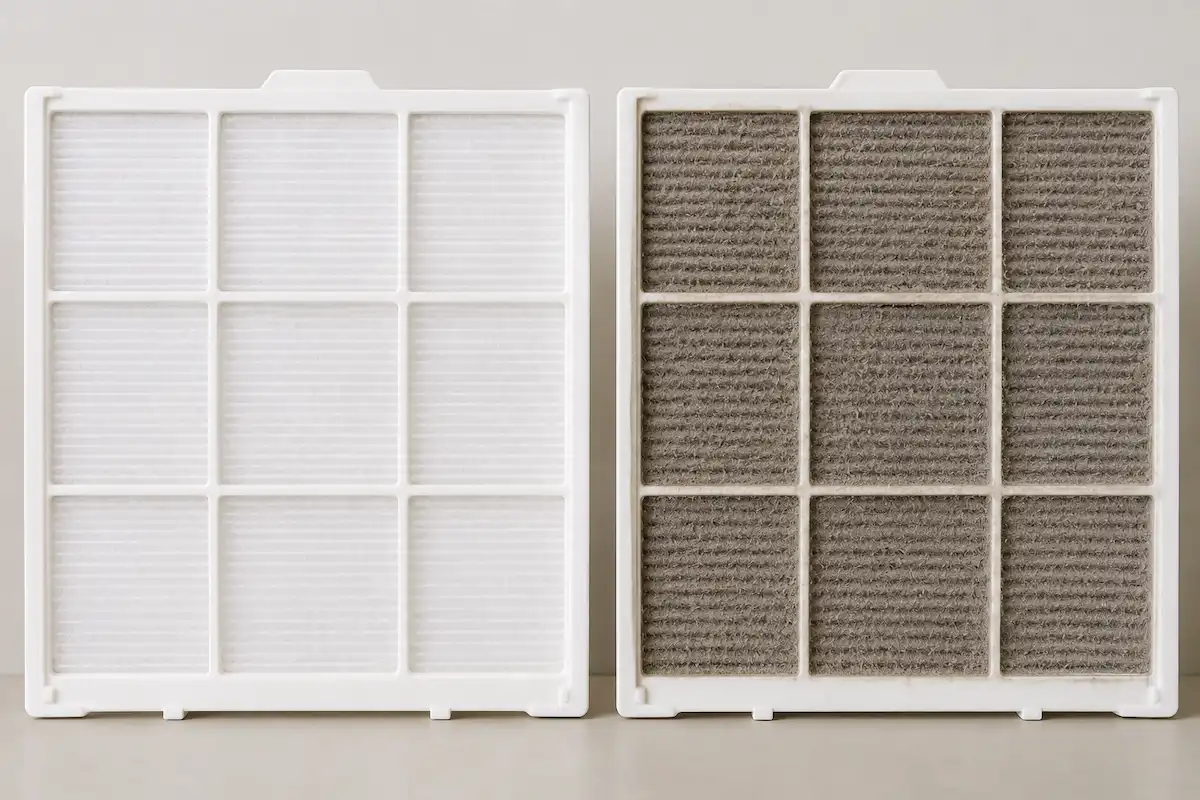
AC filter condition is commonly described as the single most practical indicator of indoor air quality in UAE apartments. A filter that loads with grey or brown dust within one to two weeks of cleaning indicates high airborne particle levels in the home. Filters that remain relatively clean after two weeks suggest the air quality baseline is lower.
Checking filter condition every two weeks and noting how quickly it reloads provides a reliable ongoing picture of indoor air quality without any monitoring equipment. Full guidance on filter checks is available in the AC filter cleaning UAE guide.
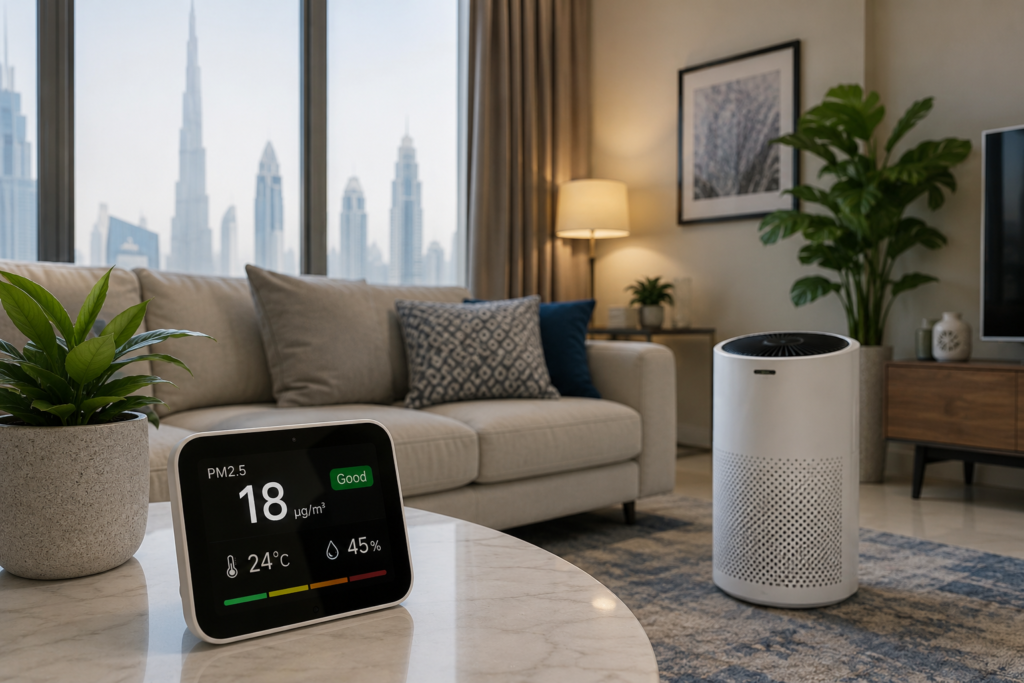
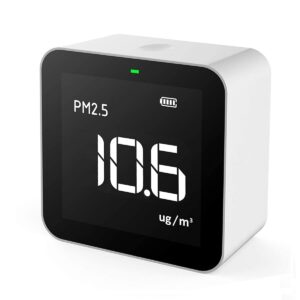
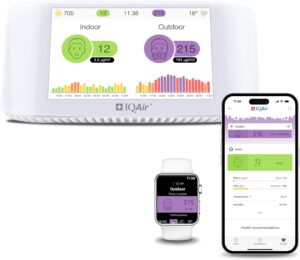
For residents who want a more precise measure, low-cost air quality monitors available on Amazon.ae display real-time PM2.5 readings – the particle size most associated with fine desert dust and health impacts. A PM2.5 reading consistently above 12 micrograms per cubic metre indoors suggests that dust management or AC maintenance needs attention.
Readings above 35 micrograms per cubic metre indicate a more significant air quality problem that may require AC servicing, filter replacement, or additional air purification. A full comparison of monitors suited to UAE apartments is available in the best air quality monitors UAE guide.
Humidity levels are the second key indicator that can be checked without professional equipment. UAE coastal apartments – particularly in Dubai Marina, JBR, Abu Dhabi Corniche, and Sharjah waterfront areas – commonly experience indoor humidity above 60 percent during summer months. At these levels, dust mite populations increase and mold spore counts rise in poorly ventilated areas.
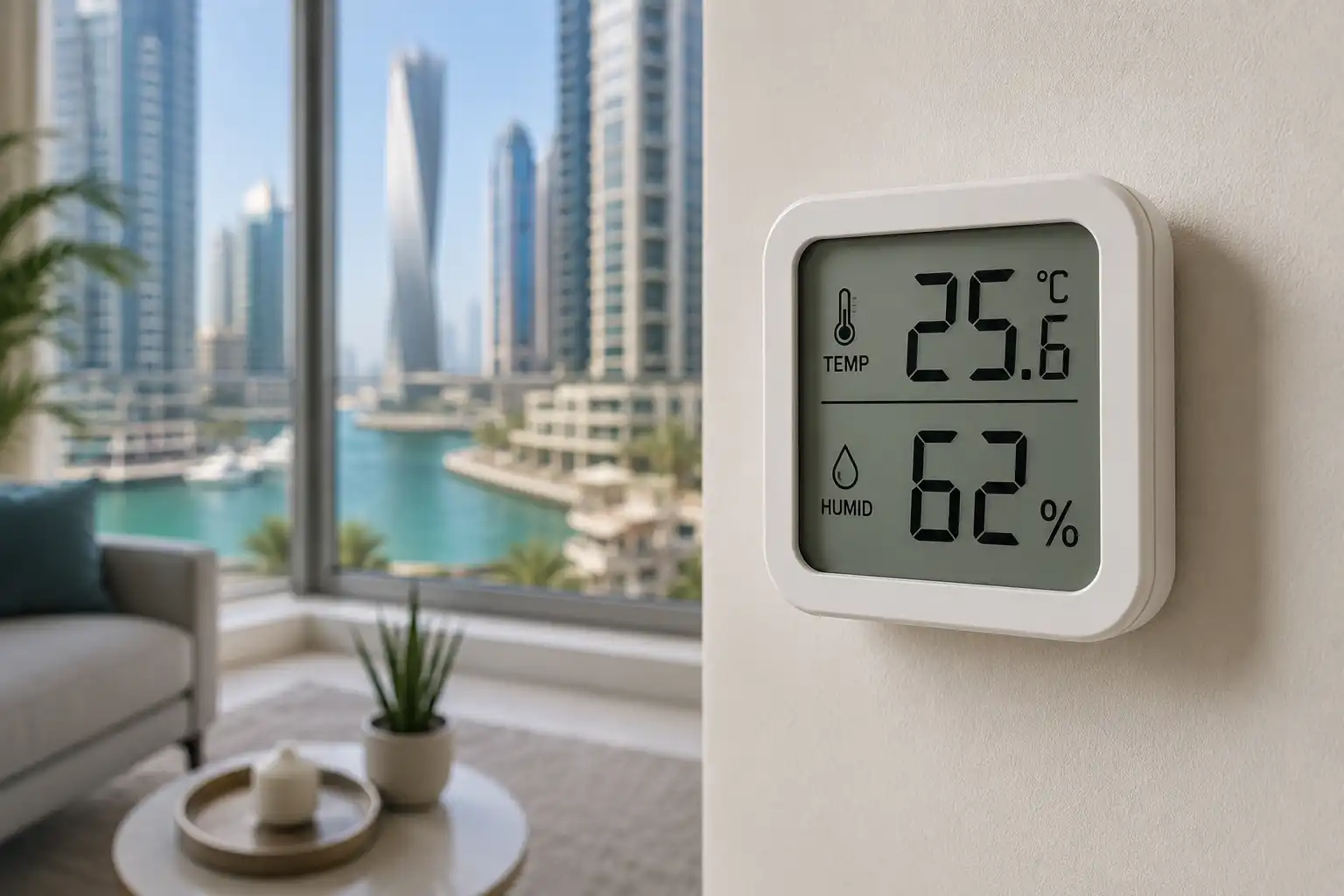
A basic hygrometer available for under AED 30 on Amazon.ae displays real-time humidity readings. Keeping indoor humidity between 40 and 60 percent is the widely recommended range for healthy indoor air quality in UAE homes.
UAE Seasonal Summary
March to June – Sandstorm and shamal wind season. Highest risk period for indoor PM2.5 elevation. Increase vacuuming frequency and check AC filters more often. Keep balcony doors sealed during windy periods.
June to September – Peak humidity season in coastal cities. Mould risk highest. Dehumidifier use most relevant. AC running at maximum intensity – filter maintenance most critical.
October to February – Lower dust and humidity risk. Balcony use increases, introducing more foot-tracked sand. Continue regular routine but professional services can be scheduled during this period more conveniently.