Sandstorm Cleaning UAE: 7 Essential Steps for Full Home Recovery (2026)
Sandstorm cleaning in UAE homes is a recurring part of apartment and villa life, from high-rise towers in Dubai Marina and Business Bay to villas in Al Barsha, Sharjah, and Abu Dhabi. When a storm passes, the visible layer of grit on balconies and windowsills is only part of the problem. Fine desert dust travels through door tracks, gaps around windows, and air-conditioning systems, settling on surfaces long after the wind has dropped.
Effective post-sandstorm cleaning UAE homes benefit from is most reliable when it follows a clear order rather than a reactive scramble. Cleaning in the wrong sequence, such as wet mopping before vacuuming, often spreads fine particles further and makes the home harder to restore. This guide explains what happens inside UAE homes after a storm, when it is safe to open windows again, the correct cleaning order, and detailed checklists for both apartments and villas, based on UAE conditions.
Use this guide if:
• Initial dust removal is complete
• You want a full-home recovery process
• Upholstery, bedding, carpets, and AC systems need attention
This guide covers the full cleaning and recovery process after a sandstorm, including floors, upholstery, bedding, and air quality management. For immediate cleanup actions right after a sandstorm, see our Dust After Sandstorms UAE guide.
Some product mentions may include affiliate links.
What Happens Inside UAE Homes After a Sandstorm
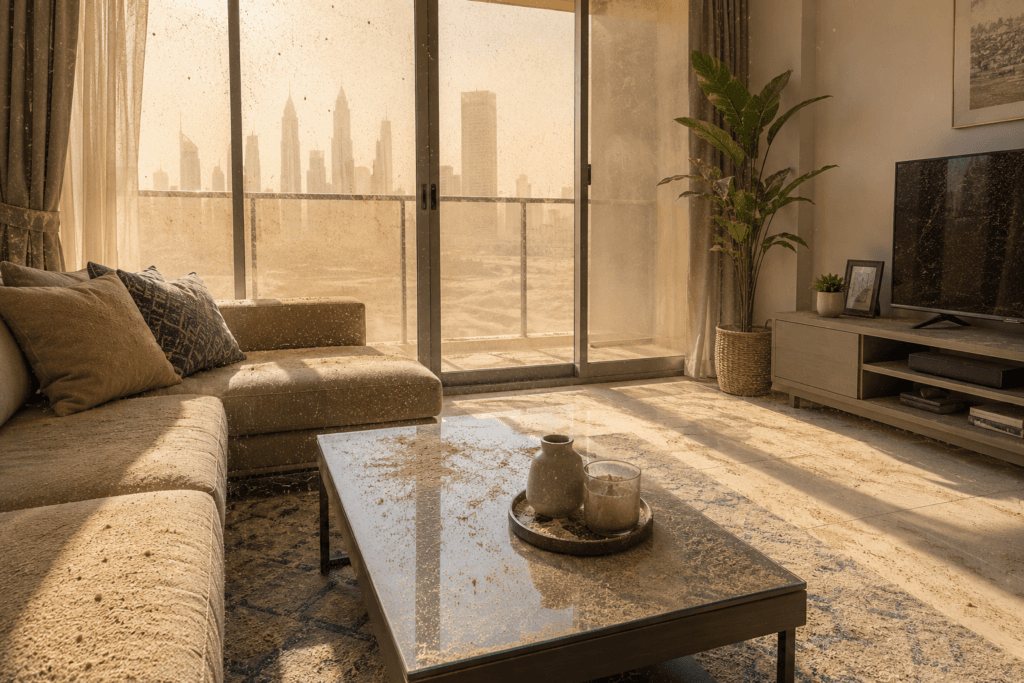
A sandstorm does not simply deposit a single layer of sand at the entrance. Different particle sizes behave differently, and they reach different parts of the home.
Difference Between Sand, Dust, and Fine Particles
Understanding the three main types of contamination explains why a single cleaning method rarely works on its own.
Coarse sand is heavier and tends to settle quickly. It collects on balconies, in door and window tracks, at entryways, and on outdoor furniture. Because it is gritty, it can scratch tile, marble, and glass if it is dragged across surfaces during cleaning.
Fine dust is lighter and stays airborne for longer. It travels through small gaps and air movement, settling on shelves, electronics, curtains, and high surfaces such as wardrobe tops. Fine dust is commonly associated with the dusty film that reappears on surfaces even after a home looks clean. This indoor fine-dust problem is explored further in the guide to fine dust in UAE apartments.
Fine particles are the smallest fraction and are the most difficult to capture. They can remain suspended in indoor air and are often described as the reason a room feels stuffy or triggers irritation after a storm. These are the particles that standard sweeping tends to lift back into the air rather than remove, which is why HEPA filtration is frequently recommended for UAE homes.
Why Immediate Cleaning Matters
Acting promptly after a storm reduces how far contamination spreads and how deeply it settles into fabrics and systems.
Health Impacts
Fine airborne particles are commonly linked to respiratory irritation, allergy flare-ups, and discomfort for people with asthma or sensitivity to dust. Children, older residents, and anyone with pre-existing respiratory conditions are often described as more affected when indoor dust levels rise. Reducing airborne dust quickly supports better indoor air quality.
HVAC and AC Impacts
UAE homes rely heavily on air conditioning, which means AC systems are central to how dust moves indoors. After a storm, filters can become loaded with fine dust, and a dirty filter is widely described as recirculating particles throughout the home rather than trapping them. Left unchecked, this can reduce airflow and place additional strain on the unit. Checking filters is a core part of any recovery routine, and more detail is available in the AC filter cleaning guide for UAE homes.
Furniture Damage
Sand is abrasive. When it settles on wooden surfaces, glass tables, or upholstery and is then wiped dry, it can cause fine scratches. On soft furnishings, dust works into the weave of fabric, which is why upholstery often needs vacuuming rather than surface wiping.
Electronics Contamination
Televisions, computers, routers, and entertainment units attract dust through static and airflow from cooling fans. Fine particles drawn into vents can accumulate inside devices over time, which is why electronics should be addressed carefully during recovery cleaning.
The First 30 Minutes After a Sandstorm
The actions taken immediately after a storm influence how much cleaning is needed later.
![[INFOGRAPHIC 6 — position here] Post-Sandstorm Cleaning Timeline (0 to 48 Hours) Description: A timeline covering the first 0 to 48 hours after a storm, from securing openings to final surface checks. Alt text: Post-sandstorm cleaning timeline from 0 to 48 hours for UAE homes](https://cleanlivinguae.com/wp-content/uploads/2026/05/Post-Sandstorm-Cleaning-UAE-IN1.png)
Close Openings
Keep windows and balcony doors closed until outdoor air has settled. Opening up too early, while dust is still suspended outdoors, allows more fine particles to enter and undoes early cleaning efforts.
Inspect Balconies
Balconies are usually the first area to collect sand. A quick inspection shows how heavy the contamination is and whether sand has built up in door tracks, which are a common entry point into living spaces. Recurring balcony build-up is addressed in detail in the guide to balcony dust problems in UAE homes.
Check AC Filters
A brief look at accessible AC filters indicates whether they are visibly loaded with dust. If the air feels dusty when the unit runs, the filter is likely contributing to indoor circulation.
Prevent Dust Redistribution
Avoid the instinct to switch on fans or sweep vigorously straight away. Both actions lift fine dust back into the air. Setting up an air purifier in a closed room can help capture suspended particles while the rest of the cleaning is planned. Broader prevention methods are covered in the dust and sand cleaning hub for UAE homes.
When Is It Safe to Open Windows After a Sandstorm?
A common question among UAE residents is how long to wait before opening windows for fresh air. Opening up too early can reintroduce more dust than it removes.
![[INFOGRAPHIC 9 — position here] Dust Entry Points After a UAE Sandstorm Description: A diagram showing the main dust entry points after a storm, including balcony tracks, window seals, AC intake, main door gaps, and utility room vents. Alt text: Dust entry points after a UAE sandstorm including balcony tracks and window seals](https://cleanlivinguae.com/wp-content/uploads/2026/05/Post-Sandstorm-Cleaning-UAE-IN2.png)
The general principle is to wait until outdoor visibility has clearly improved and the air no longer looks hazy. The National Center of Meteorology issues dust and low-visibility advisories during major storms, and these warnings are a practical signal that conditions are still poor. Ventilating before they are lifted tends to draw suspended dust indoors.
Once outdoor dust has settled, brief, controlled ventilation can help clear stale indoor air. Avoid immediate cross-ventilation, where windows on opposite sides are opened at the same time, because the resulting draught can pull settled dust back into the air and across rooms. Opening one window slightly, with an air purifier running, is generally gentler on indoor air quality than creating a strong through-draught.
If household members have respiratory sensitivities, it is usually better to keep windows closed and rely on filtered air conditioning and a HEPA air purifier until the home has been cleaned.
The Correct Sandstorm Cleaning Order for UAE Homes
The single most important principle of post-sandstorm cleaning UAE homes benefit from is sequence. Cleaning from top to bottom and from dry methods to wet methods prevents fine dust from being moved from one surface to another.
![[INFOGRAPHIC 1 — position here] Post-Sandstorm Cleaning Workflow (7 Steps) Description: A seven-step workflow showing the cleaning sequence from entryway to AC filter inspection. Alt text: Seven-step post-sandstorm cleaning workflow for UAE homes](https://cleanlivinguae.com/wp-content/uploads/2026/05/Post-Sandstorm-Cleaning-UAE-IN3.png)
Step 1: Entryway and Balcony Cleaning
Start outside the main living areas. Clear sand from the balcony, entry mat, and door tracks first so that traffic does not carry grit back indoors. Brush or vacuum tracks rather than washing them down immediately, since wet sand can form a paste that is harder to remove. Quality entry mats reduce how much sand reaches interior floors, as discussed in the best entry mats for dust guide.
![[IMAGE 3 — position here] Description: A balcony door track packed with accumulated sand. Alt text: Balcony door track filled with sand after a UAE sandstorm](https://cleanlivinguae.com/wp-content/uploads/2026/05/Post-Sandstorm-Cleaning-UAE-2-1024x683.png)
Step 2: Dry Dust Removal
Use a dry microfiber cloth or a soft brush to lift loose dust from high surfaces such as shelves, wardrobe tops, and light fittings. Working high to low ensures that any dust that falls lands on surfaces still to be cleaned.
Step 3: HEPA Vacuuming
Vacuum floors, rugs, upholstery, and curtains using a machine with HEPA filtration. HEPA-equipped vacuums are commonly recommended for UAE conditions because they are designed to retain fine particles rather than expel them back into the room. Guidance on choosing a suitable machine is available in the guides to the best HEPA vacuums for UAE homes and the best cordless vacuums for UAE apartments.
![[IMAGE 1 — position here] Description: A HEPA vacuum removing fine dust from tile flooring near a balcony entrance. Alt text: HEPA vacuum cleaning fine desert dust from tile floor near a UAE balcony](https://cleanlivinguae.com/wp-content/uploads/2026/05/Post-Sandstorm-Cleaning-UAE-3-1024x683.png)
Step 4: Surface Wiping
Once loose dust has been vacuumed, wipe hard surfaces with a slightly damp microfiber cloth. Damp wiping traps remaining fine dust instead of scattering it. Cloths should be rinsed frequently so that they are not simply moving dust around. Homes that experience recurring dust accumulation between storms may also benefit from the strategies outlined in the guide on how to reduce dust in Dubai homes.
Step 5: Soft Furnishings
Cushions, throws, curtains, and bedding hold fine dust deep in the fabric. Vacuum these first, then launder or air items that can be washed. Bedding and pillow covers are often laundered after a storm to reduce dust held against the skin during sleep.
Step 6: Floor Cleaning
After vacuuming and surface wiping, clean floors with a damp mop suited to tile or marble. A spin mop or microfiber mop system helps lift residual fine dust without leaving streaks on the hard floors common in UAE homes.
Step 7: AC Filter Inspection
Finish by inspecting and cleaning accessible AC filters. Because the AC system can redistribute dust throughout the home, cleaning filters last helps ensure that the air being circulated after cleaning is as clean as possible.
![[IMAGE 2 — position here] Description: A split AC filter covered in desert dust after a sandstorm. Alt text: Split AC filter loaded with desert dust after a UAE sandstorm](https://cleanlivinguae.com/wp-content/uploads/2026/05/Post-Sandstorm-Cleaning-UAE-4-1024x683.png)
Post-Sandstorm Cleaning Priority Matrix
When time is limited, focusing on the highest-impact areas first prevents fine dust from continuing to circulate.
| Area | Priority | Reason |
|---|---|---|
| AC filters | Very High | Can recirculate fine dust throughout the home |
| Balcony door tracks | Very High | Primary dust and sand entry point |
| Entryway floors | High | Prevents tracking contamination indoors |
| Upholstery | High | Retains fine airborne particles |
| Wardrobe tops | Medium | Hidden accumulation zone |
| Decorative items | Low | Usually cleaned after critical areas |
Apartment Post-Sandstorm Cleaning Checklist
Apartments present specific challenges because the balcony is often the main outdoor dust vector and storage space for cleaning tools is limited.
![[INFOGRAPHIC 7 — position here] Post-Sandstorm Apartment Cleaning Checklist Description: A visual apartment checklist covering balcony, floors, surfaces, soft furnishings, and AC filter. Alt text: Post-sandstorm apartment cleaning checklist for UAE homes](https://cleanlivinguae.com/wp-content/uploads/2026/05/Post-Sandstorm-Cleaning-UAE-IN4.png)
Studio
In a studio, dust spreads quickly across a single open space. Prioritise the balcony door track, then vacuum the whole floor in one pass, wipe all surfaces, launder bedding, and check the AC filter. A compact cordless vacuum is often practical given limited storage.
1-Bedroom
Treat the living area and bedroom as separate zones. Clean the balcony and entry first, vacuum room by room with the bedroom door closed to limit cross-contamination, then wipe surfaces and address curtains and bedding.
2-Bedroom
Work through the home in a logical order, finishing rooms one at a time so dust is not tracked back into cleaned areas. Pay attention to shared corridors and the AC return, which serves multiple rooms.
High-Rise Apartments
Higher floors can experience strong dust infiltration around windows and balcony doors due to wind pressure. Check window seals and tracks carefully, and keep balcony doors closed during and after storms. A daily reset routine, outlined in the daily cleaning routine for UAE apartments, helps keep recovery cleaning manageable.
![[INFOGRAPHIC 2 — position here, between the apartment and villa checklists] Apartment vs Villa Recovery Checklist Description: A side-by-side comparison of apartment and villa post-sandstorm recovery checklists. Alt text: Apartment versus villa post-sandstorm recovery checklist for UAE homes](https://cleanlivinguae.com/wp-content/uploads/2026/05/Post-Sandstorm-Cleaning-UAE-IN5.png)
Villa Post-Sandstorm Cleaning Checklist
Villas have more entry points, larger floor areas, and often multiple AC units, which means recovery cleaning usually takes longer and benefits from a zone-by-zone approach.
![[INFOGRAPHIC 8 — position here] Post-Sandstorm Villa Cleaning Checklist Description: A visual villa checklist covering entries, multiple floors, garden-facing rooms, and pool area. Alt text: Post-sandstorm villa cleaning checklist for UAE homes](https://cleanlivinguae.com/wp-content/uploads/2026/05/Post-Sandstorm-Cleaning-UAE-IN6.png)
Ground-Floor Villas
Ground-floor entries and garden-facing doors collect the most sand. Clear external thresholds and entryways first, then move inward.
Multi-Storey Villas
Clean from the top floor downward where practical, so that dust carried on shoes and cloths is not moved up into already cleaned areas. Stairs and landings are common collection points and benefit from vacuuming rather than sweeping.
Garden-Facing Villas
Doors and windows facing gardens and open land receive heavier dust and sand. Check these openings, their seals, and adjacent floor areas first, and inspect outdoor furniture that may carry sand indoors.
Pool-Area Contamination
Sand frequently settles around pool edges and is then tracked inside. Rinsing pool surrounds and using a dedicated mat at the pool door reduces transfer of grit into the home.
Post-Sandstorm Cleaning Checklist
This condensed checklist can be saved or printed for quick reference during storm season.
First 30 minutes
- Keep all windows and balcony doors closed.
- Inspect balconies and door tracks for sand build-up.
- Glance at accessible AC filters for visible dust.
- Avoid switching on fans or sweeping vigorously.
First 6 hours
- Wait for outdoor visibility to improve before any ventilation.
- Clear sand from entryways, mats, and door tracks.
- Dry dust high surfaces from top to bottom.
- Begin HEPA vacuuming of floors and soft furnishings.
Same day
- Damp wipe all hard surfaces with microfiber cloths.
- Vacuum and, where possible, launder soft furnishings and bedding.
- Damp mop tile and marble floors.
- Clean or replace accessible AC filters.
Next day
- Re-check surfaces for settled fine dust and wipe again if needed.
- Inspect electronics and vents for residual dust.
- Run a HEPA air purifier in main living and sleeping areas.
- Restock AC filters and microfiber cloths for the next event.
Download the Free Post-Sandstorm Cleaning Checklist PDF
A printable one-page checklist covering:
- First 30 minutes after a storm
- Apartment cleaning sequence
- Villa cleaning sequence
- AC filter inspection
- 48-hour recovery plan
Highest-Risk Dust Accumulation Zones
Dust after a sandstorm in UAE homes settles unevenly, with fine particles reaching areas that are easy to overlook during a quick clean.
Some areas consistently hold the most dust after a storm and are easy to overlook during routine cleaning.
![[INFOGRAPHIC 3 — position here] Hidden Dust Accumulation Zones Description: A diagram of a UAE home highlighting hidden dust accumulation zones such as door tracks, AC vents, curtains, and under beds. Alt text: Hidden dust accumulation zones in a UAE home after a sandstorm](https://cleanlivinguae.com/wp-content/uploads/2026/05/Post-Sandstorm-Cleaning-UAE-IN9.png)
- Balcony door tracks collect coarse sand that is dragged inside each time the door opens.
- AC vents and returns gather fine dust that is then circulated through the home.
- Curtains trap airborne dust deep in the fabric and release it back into the air when disturbed.
- Under beds is a low-airflow zone where fine dust settles and is rarely vacuumed.
- Sofas and upholstery hold dust within cushions and seams.
- Wardrobe tops and high shelves accumulate dust that falls onto lower surfaces when cleaned out of sequence.
- Window tracks collect both sand and fine dust, especially in high-rise apartments.
- Electronics attract dust through static and cooling fans.
- Kitchen surfaces combine dust with grease, forming a film that needs damp wiping rather than dry dusting.
- Bathrooms hold dust that binds with humidity, which is commonly associated with surface grime and, over time, mould risk in poorly ventilated spaces. Prevention guidance is covered in the humidity and mould prevention guide for UAE homes.
For a deeper reset that goes beyond surface dust, the deep cleaning guide for UAE homes covers areas that benefit from periodic attention.
How Long Does Post-Sandstorm Cleaning Take?
Time estimates vary with home size, storm severity, and the tools available. The following ranges are general guidelines based on typical UAE homes.
![[INFOGRAPHIC 4 — position here] Sandstorm Severity vs Cleaning Effort Matrix Description: A matrix showing sandstorm severity against required cleaning effort for apartments and villas. Alt text: Sandstorm severity versus cleaning effort matrix for UAE homes](https://cleanlivinguae.com/wp-content/uploads/2026/05/Post-Sandstorm-Cleaning-UAE-IN7.png)
Apartment Estimates
A studio or one-bedroom apartment can often be reset in one to two hours after a moderate storm. A two-bedroom apartment may take two to three hours, with additional time for laundering soft furnishings.
Villa Estimates
Villas typically require half a day to a full day for a thorough recovery clean after a significant storm, depending on the number of floors and outdoor areas.
Professional Cleaning Estimates
Professional teams may complete a deep recovery clean more quickly due to specialised equipment, though timing depends on contamination level and home size. Heavy or repeated storms can extend the work.
Common Mistakes After a Sandstorm
Sandstorm cleaning in Dubai apartments presents specific challenges because balcony exposure, window track gaps, and continuous AC operation all contribute to how quickly fine dust spreads after a storm.
Avoiding a few frequent errors makes recovery cleaning faster and more effective.
- Wet mopping before vacuuming turns fine dust into a paste that smears across floors and is harder to remove.
- Ignoring AC filters allows the system to recirculate dust, undoing surface cleaning within hours.
- Opening windows too early lets in dust that is still suspended outdoors, reintroducing particles after they have been cleared.
- Using feather dusters tends to lift and scatter fine dust rather than capture it. Microfiber cloths are generally preferred because they trap dust.
- Skipping upholstery leaves a reservoir of dust in sofas and cushions that is released back into the air with normal use.
When Professional Cleaning May Be Necessary
Most post-sandstorm cleaning can be handled by residents, but certain situations may justify professional help.
Heavy contamination after an unusually strong storm, where dust has penetrated deeply into fabrics and systems, can be difficult to address with household tools alone.
Repeated storms in a short period can make it hard to keep ahead of accumulation, and a deeper reset can help.
Respiratory concerns within the household may make it preferable to minimise personal exposure during heavy cleaning.
Move-in situations, where a home has been closed during one or more storms, often involve significant settled dust that benefits from a thorough initial clean.
Post-Sandstorm Cleaning Equipment Checklist
Having the right tools ready before storm season makes recovery faster and reduces the chance of redistributing dust.
- A HEPA vacuum is widely regarded as the most important tool, as it is designed to retain fine desert dust rather than expel it.
- Microfiber cloths are preferred for both dry dusting and damp wiping because they trap particles.
- An air purifier with a HEPA filter can help capture suspended particles, particularly in bedrooms and closed rooms.
- Soft brush tools assist with clearing sand from tracks and crevices without scratching surfaces.
- A mop system suited to tile and marble supports streak-free floor cleaning.
- Entry mats reduce the amount of sand carried indoors before and after storms.
Recommended Cleaning Supplies for Post-Sandstorm Recovery
Some product mentions below may include affiliate links.
While effective post-sandstorm cleaning relies primarily on the correct cleaning sequence, a small collection of cleaning tools can make recovery faster and more effective. The categories below are commonly used in UAE apartments and villas to remove fine dust, manage airborne particles, and prevent sand from being redistributed throughout the home.
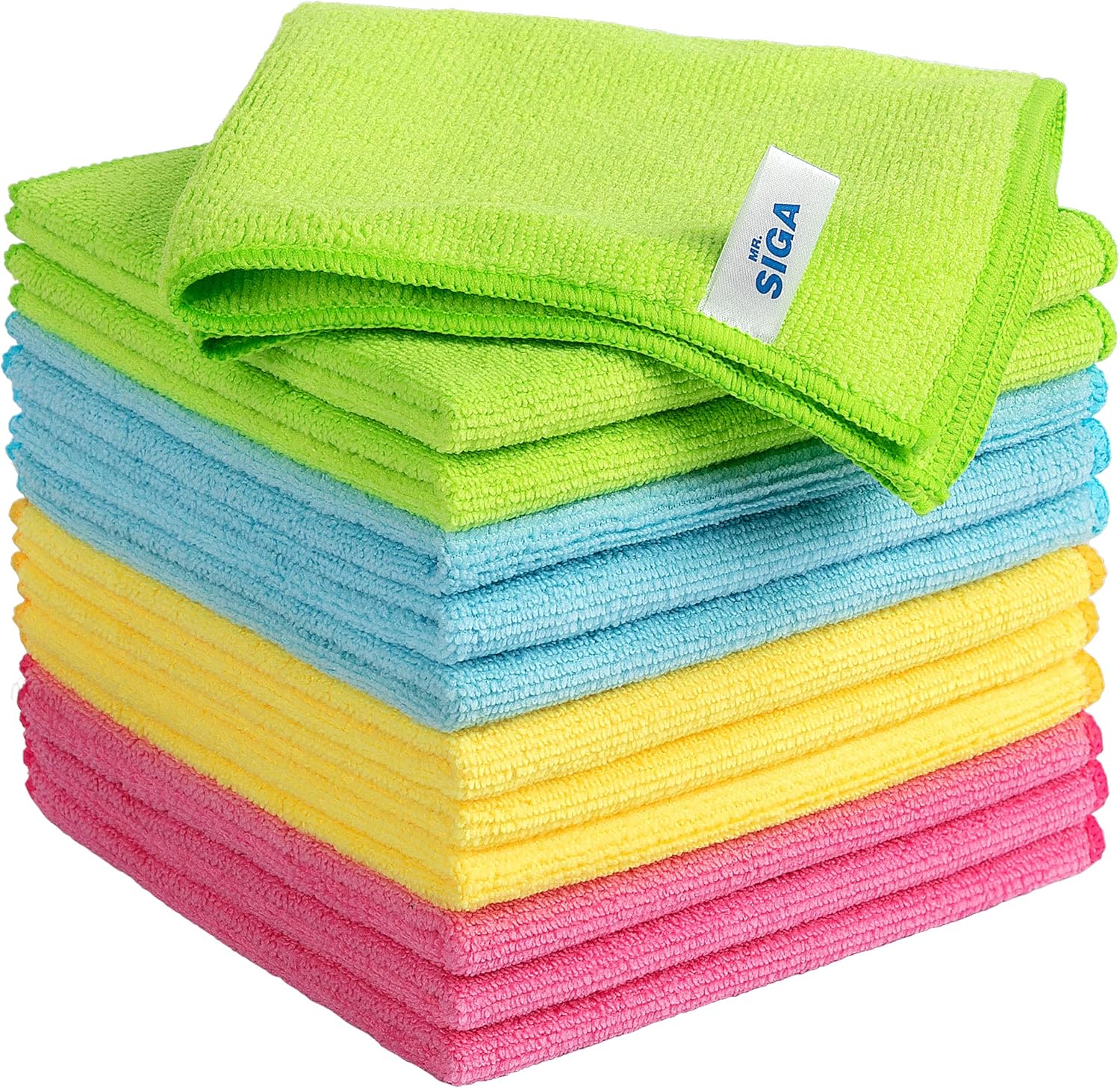
Microfiber Cloths for
Fine Dust Removal
Microfiber cloths help trap fine UAE dust instead of spreading it across surfaces. Separate cloths for dry dusting and wet cleaning improve cleaning efficiency.
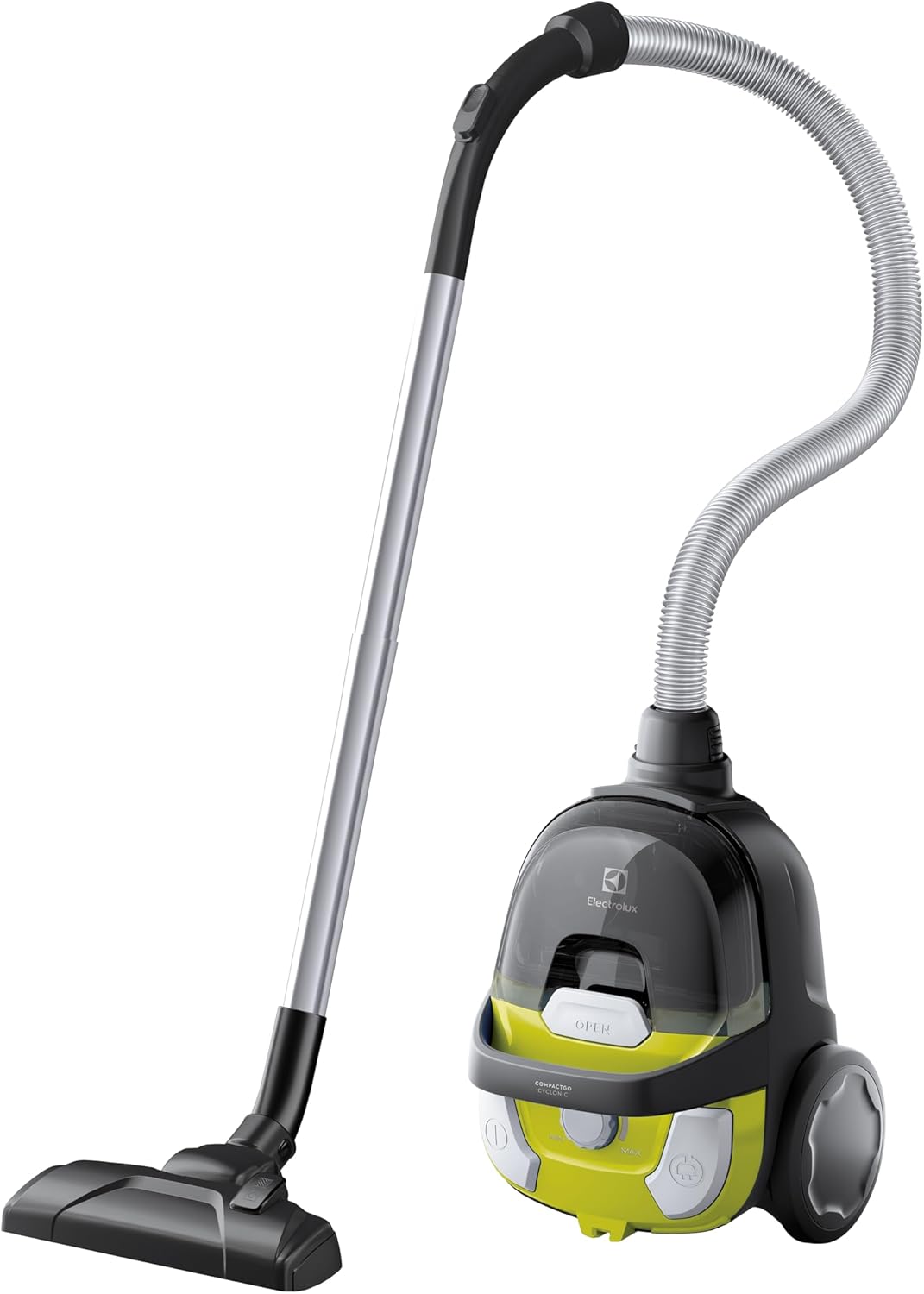
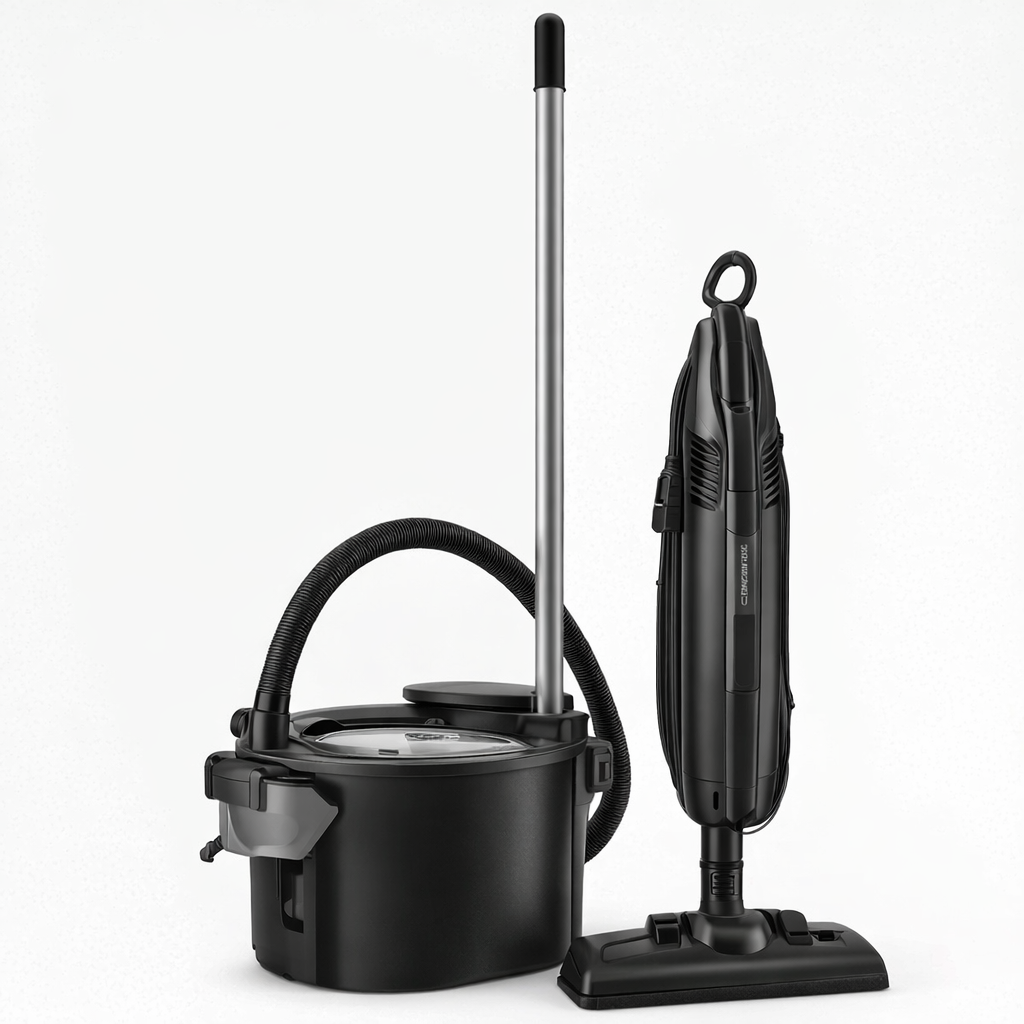
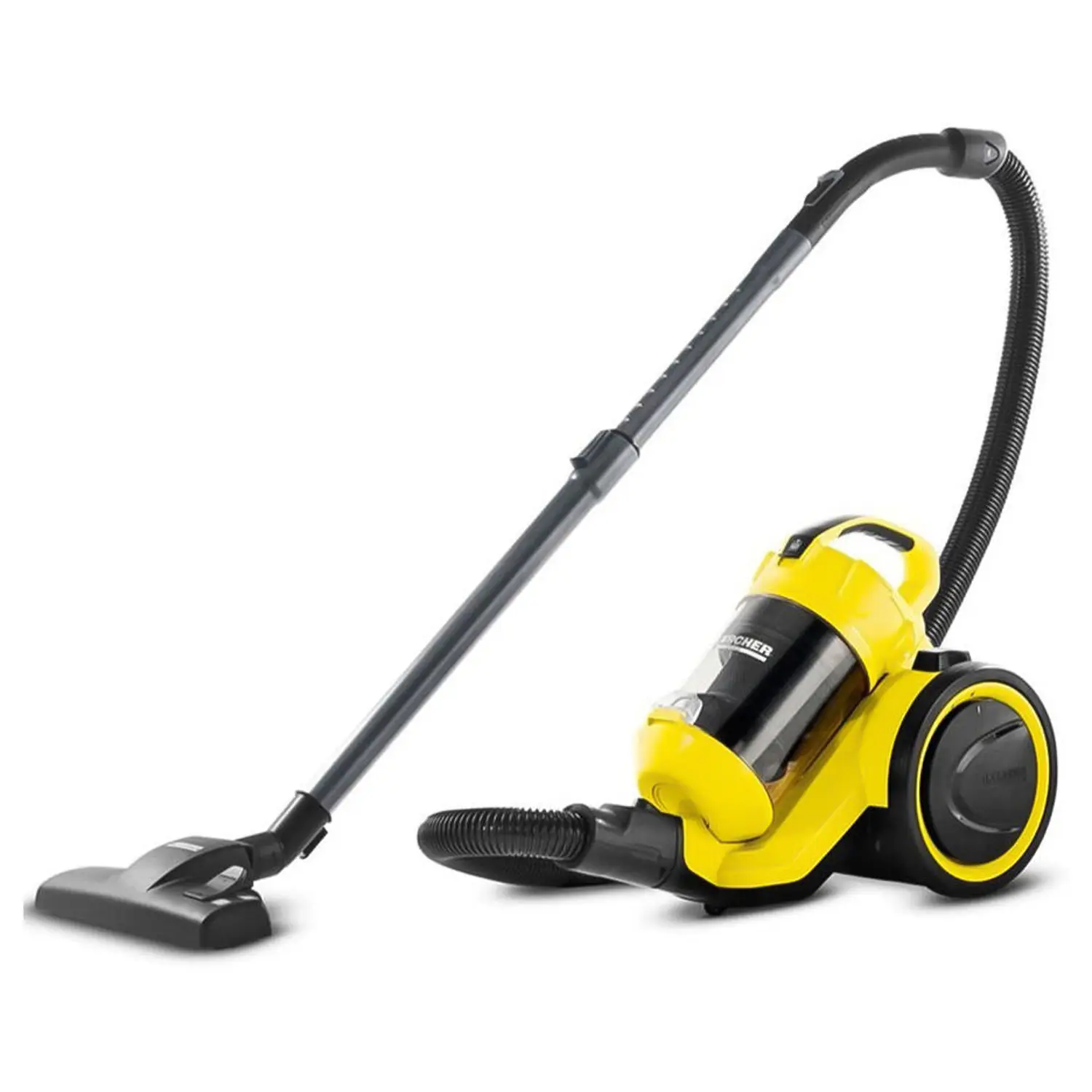
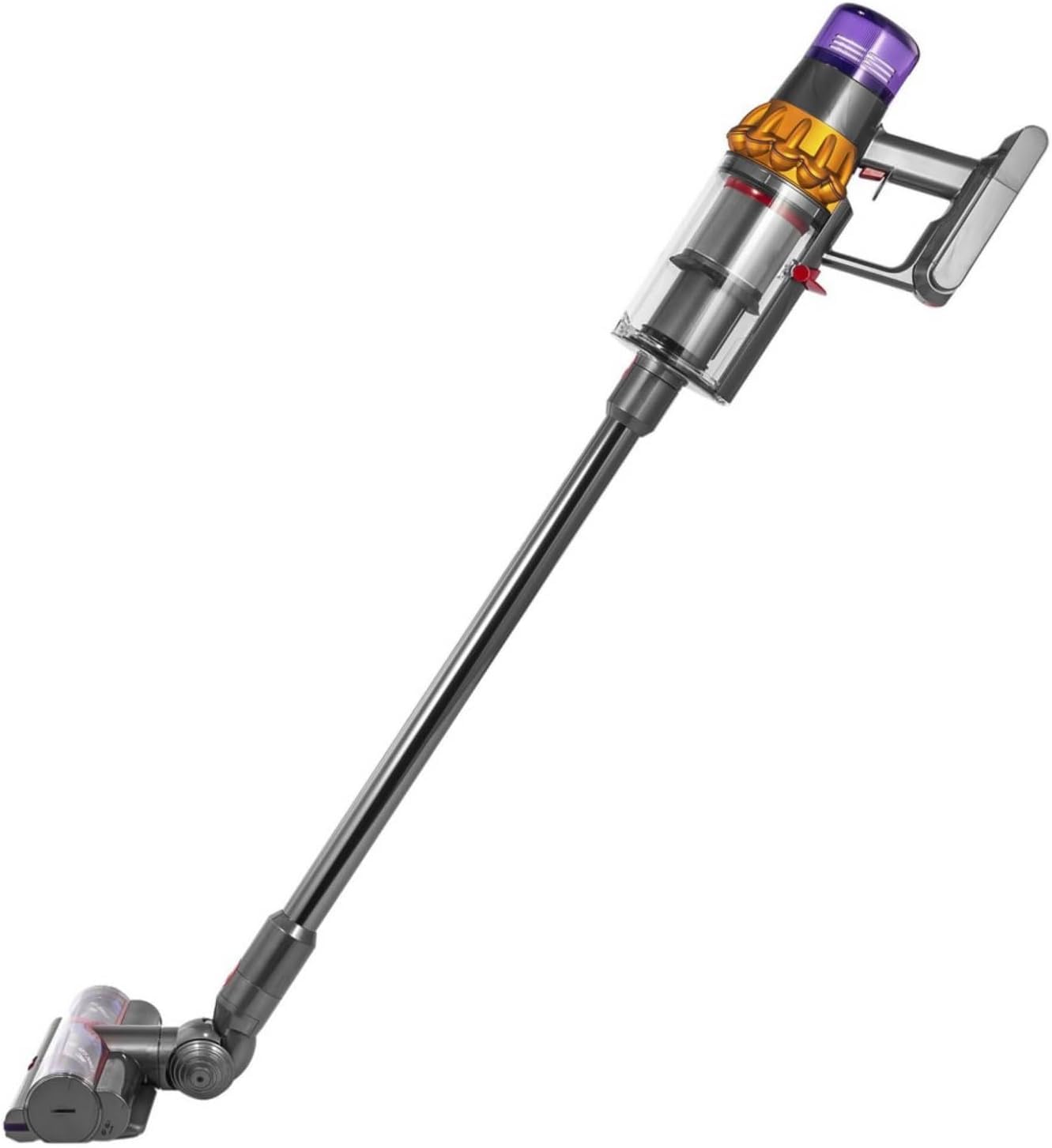
HEPA Vacuum Cleaners for
UAE Dust Control
HEPA vacuum cleaners capture fine dust and sand particles commonly found in UAE homes. They are effective for tile, marble, rugs, and upholstery.
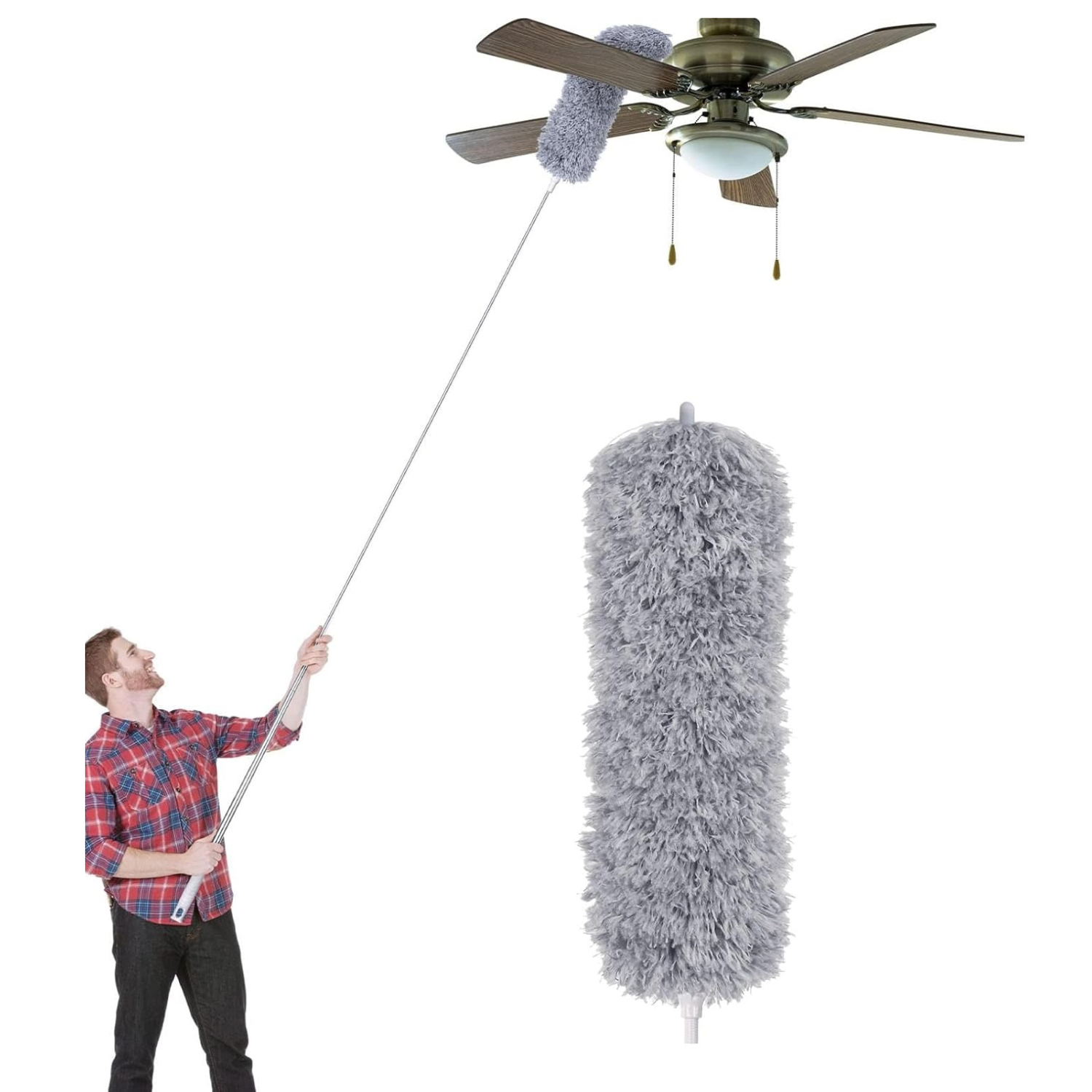
Dusting Tools for
Dust Removal
Electrostatic extendable dusters trap fine particles without spreading them, making them well suited to UAE homes with tall ceilings and hard-to-reach surfaces.
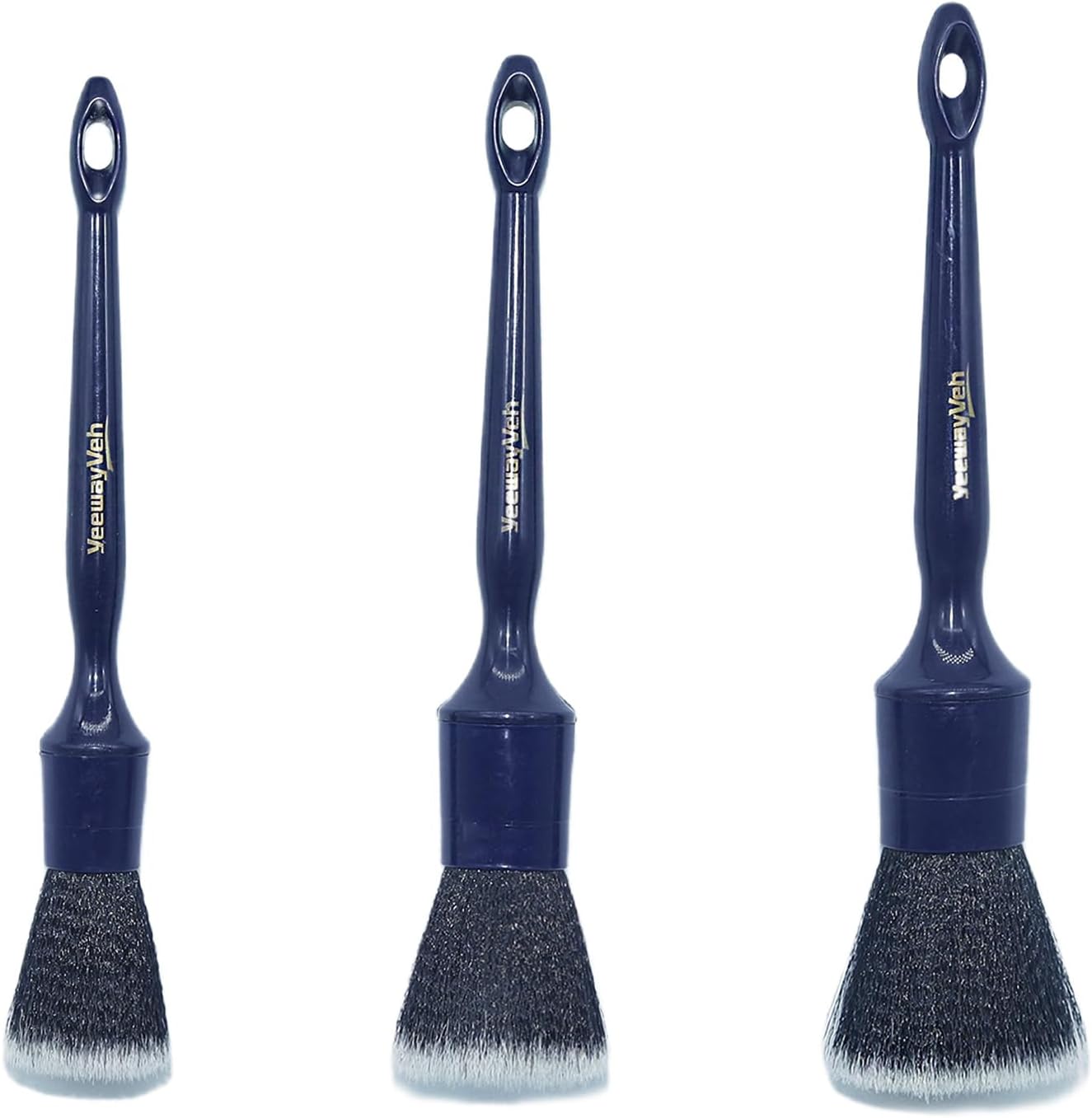
AC Vent Brushes for
Dust Accumulation
Narrow-profile brushes fit between AC louvre slats to remove dust buildup between professional filter services, without damaging the unit.
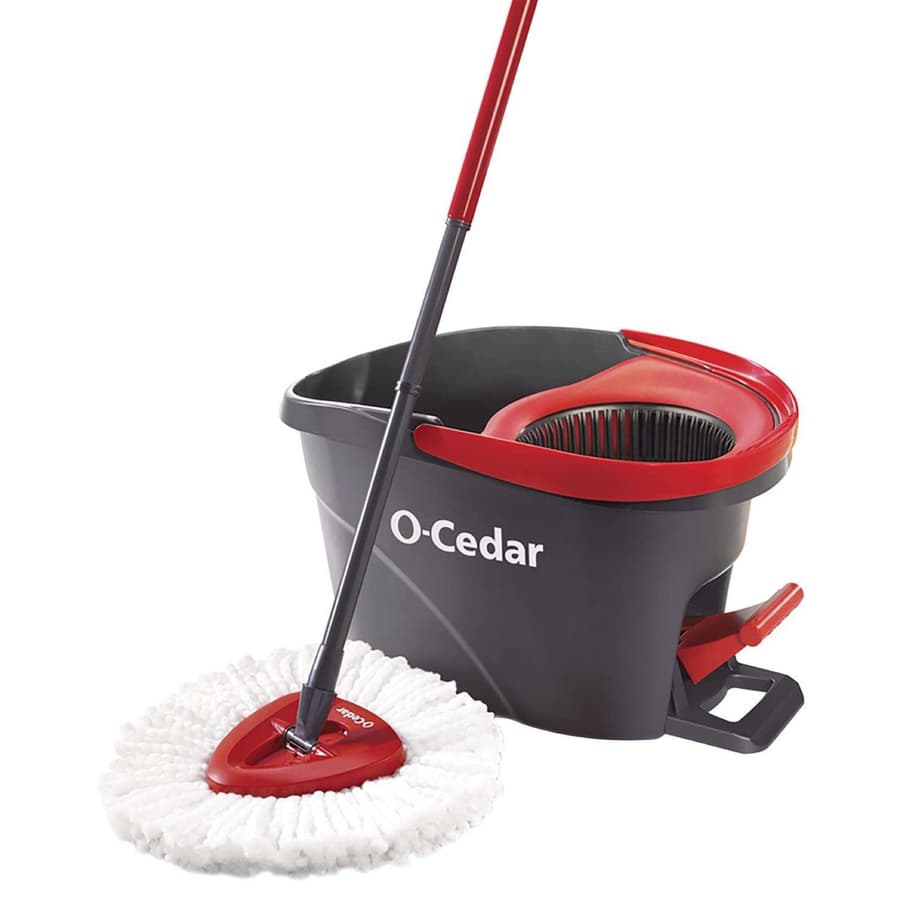
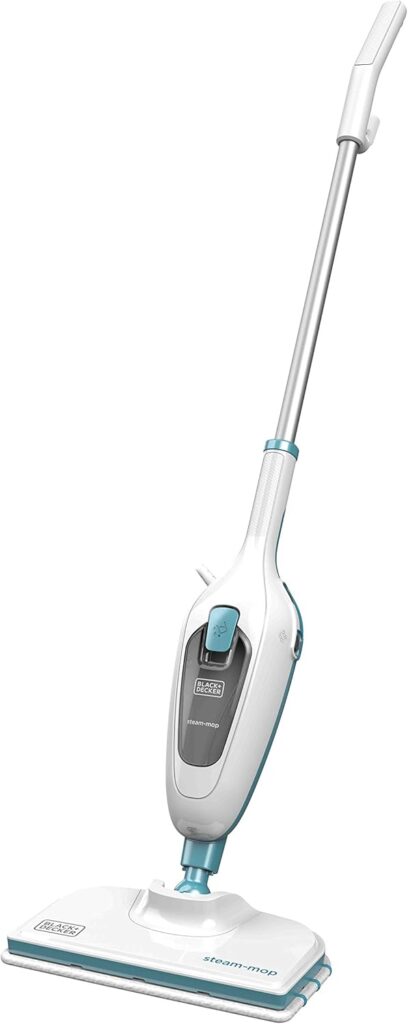
Spin Mops and Floor Mops
for post-cleaning
Spin mops with microfiber heads capture residual fine particles on hard floors when used after vacuuming that it may have missed.
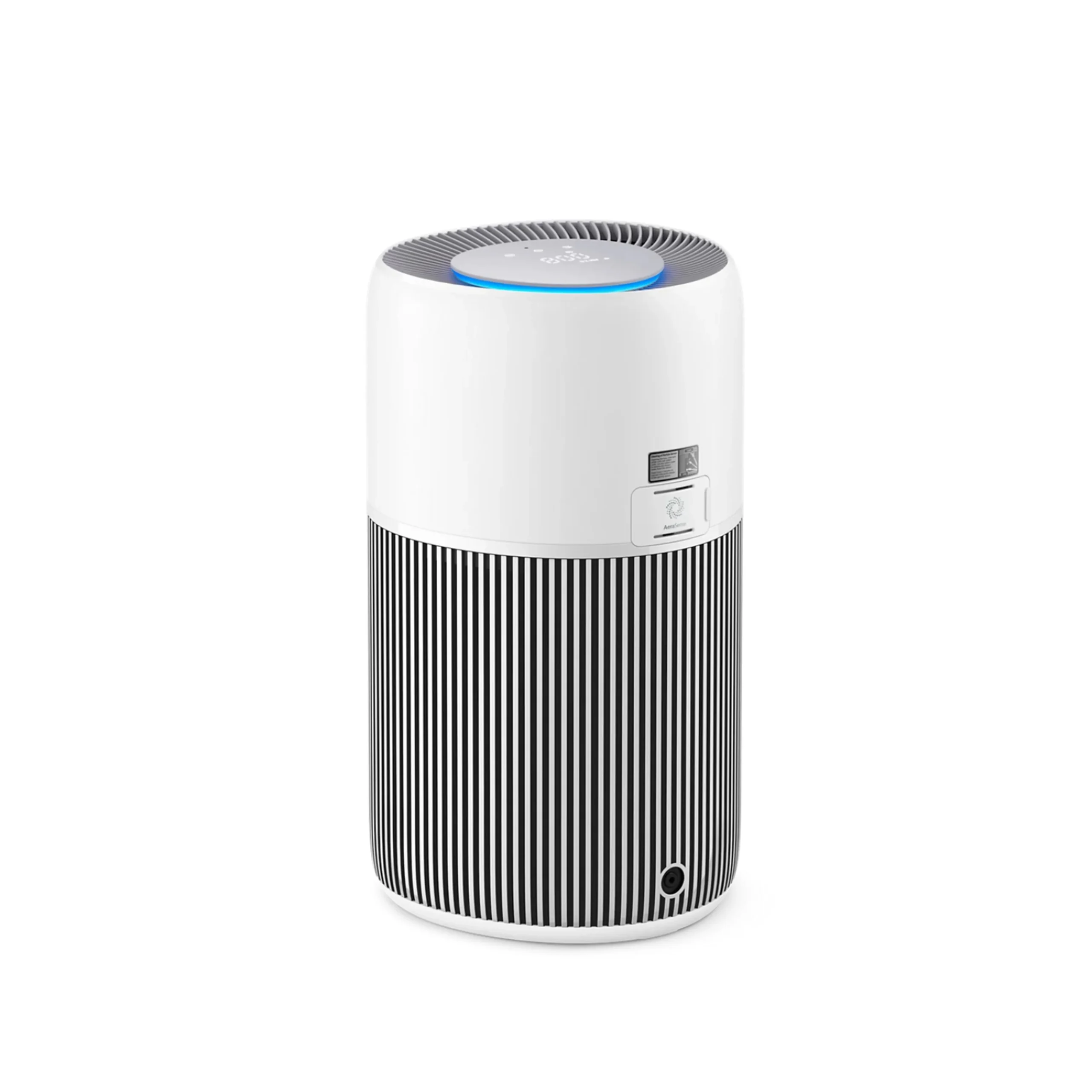
Air Purifiers for Managing
Fine Indoor Dust
HEPA air purifiers help reduce airborne dust and fine sand during dusty periods. Bedrooms and living rooms are the most common placement areas in UAE homes.
Seasonal Sandstorm Cleaning Strategy for UAE Homes
Dust events are not evenly distributed through the year, and a seasonal approach helps homes stay ahead of them.
![[INFOGRAPHIC 5 — position here] UAE Seasonal Sandstorm Calendar Description: A seasonal calendar marking the Shamal season, summer dust events, autumn transition, and winter. Alt text: UAE seasonal sandstorm calendar showing dust event periods through the year](https://cleanlivinguae.com/wp-content/uploads/2026/05/Post-Sandstorm-Cleaning-UAE-IN8.png)
March to May Shamal Season
The Shamal winds that affect the Arabian Gulf are commonly associated with stronger dust events in spring. Stocking spare AC filters, checking window and door seals, and keeping entry mats in good condition before this period reduces recovery effort.
Summer Dust Events
Heat and occasional dust activity continue through summer, when air conditioning runs almost constantly. Frequent filter checks are particularly important during this period because the AC system is in near-continuous use.
Autumn Transition Period
As temperatures begin to ease, intermittent dust can still occur. This is a practical time to carry out a deeper reset and inspect seals before winter.
Winter Cleaning Considerations
Cooler months often bring more outdoor and balcony use. Maintaining balcony cleanliness and door tracks during this period limits how much sand is tracked indoors when storms do occur.
How to Protect Your Home Before the Next Sandstorm
Preparation reduces both the time and effort needed to recover after a storm. A small set of habits and supplies, maintained through storm season, keeps fine dust from settling deeply when the next event arrives.
Keep spare AC filters on hand so a loaded filter can be swapped quickly rather than left to recirculate dust. The AC filter cleaning guide for UAE homes explains what residents can clean themselves and when maintenance is needed.
Maintain entry mats at main doors and balcony thresholds, as they capture a large share of incoming sand before it reaches interior floors. Suitable options are compared in the best entry mats for dust guide.
Check balcony and window door seals before the spring Shamal season, since worn seals are a common route for fine dust into living spaces.
Store microfiber cloths in an accessible place so dry dusting and damp wiping can begin without delay.
Prepare a HEPA vacuum and confirm it is charged or ready to use, as it is the most important tool for capturing fine desert dust. Model guidance is available in the guides to the best HEPA vacuums for UAE homes and the best cordless vacuums for UAE apartments.
Close unused room doors during and after a storm to limit how far dust spreads, which makes recovery cleaning faster and more contained.
Apartment vs Villa Post-Sandstorm Recovery
| Factor | Apartment | Villa |
|---|---|---|
| Main dust vector | Balcony door and window tracks | Multiple entries, garden doors, pool area |
| Typical cleaning time | 1 to 3 hours | Half a day to a full day |
| Cleaning direction | Room by room, balcony first | Top floor down, entries first |
| AC system | Often a single unit and return | Often multiple units and returns |
| Storage for tools | Limited, favours compact tools | More space for full-size equipment |
| Highest-risk zones | Window tracks, curtains, under beds | Entryways, stairs, garden-facing rooms |
| Outdoor contamination | Mainly balcony | Garden, driveway, pool surround |
Conclusion
Sandstorm cleaning in the UAE is most effective when it follows a deliberate order rather than a rushed reaction. Securing openings, waiting for outdoor dust to settle before ventilating, removing dry dust before introducing moisture, vacuuming with HEPA filtration, and finishing with AC filter checks all work together to remove fine desert dust without scattering it. Apartments and villas have different priorities, but the underlying principle is the same: clean from top to bottom and from dry to wet, and address the air-conditioning system as part of every recovery. With the right tools prepared ahead of storm season and a consistent routine, UAE homes can be restored efficiently and kept comfortable through the dustiest months of the year.
![position here] Description: A clean, restored UAE apartment after a full post-sandstorm recovery. Alt text: Clean UAE apartment living room after full post-sandstorm recovery](https://cleanlivinguae.com/wp-content/uploads/2026/05/Post-Sandstorm-Cleaning-UAE-6-1024x683.png)
FAQs
How long should I wait after a sandstorm before cleaning?
Cleaning is best started once outdoor dust has visibly settled and air no longer looks hazy, which is usually a few hours after the storm passes. Starting too early, while dust is still suspended outdoors, often means cleaning the same surfaces twice.
Should you vacuum or sweep sand first after a sandstorm?
Vacuuming with a HEPA-equipped machine is generally preferred over sweeping, because sweeping tends to lift fine dust back into the air. Loose surface sand can be cleared with a soft brush first, followed by vacuuming.
When is it safe to open windows after a sandstorm in the UAE?
It is generally safe once outdoor visibility has clearly improved and dust advisories have eased. Brief, controlled ventilation is better than immediate cross-ventilation, which can pull settled dust back into the air across rooms.
Why is wet mopping before vacuuming a mistake?
Wet mopping before vacuuming can turn fine dust into a paste that smears across floors and is harder to remove. Removing dry dust by vacuuming first allows damp mopping to clean residual particles effectively.
Do AC filters need cleaning after every sandstorm?
Accessible AC filters should be inspected after each significant storm, as they can become loaded with fine dust. A dirty filter is commonly associated with recirculating dust through the home, which can undo surface cleaning.
What is the best tool for removing fine desert dust indoors?
A vacuum with HEPA filtration is widely regarded as the most effective tool, as it is designed to retain fine particles. Microfiber cloths are preferred for surface dusting and damp wiping because they trap dust rather than scatter it.
How do apartments and villas differ for post-sandstorm cleaning?
Apartments usually focus on the balcony and window tracks and can be cleaned in a few hours, while villas have more entry points, larger areas, and often multiple AC units, which generally extends cleaning time to half a day or more.
Are feather dusters suitable for post-sandstorm cleaning?
Feather dusters tend to lift and scatter fine dust rather than capture it. Microfiber cloths, used dry for loose dust and slightly damp for surfaces, are generally more effective at trapping particles.
Why does dust keep returning after cleaning a UAE home?
Recurring dust is often linked to fine particles held in soft furnishings, an uncleaned AC filter recirculating dust, or surfaces cleaned out of sequence. Addressing upholstery, AC filters, and cleaning order usually reduces the problem.
How can UAE homes reduce sandstorm cleaning effort in advance?
Preparation helps reduce effort, including keeping spare AC filters, checking window and door seals, maintaining entry mats, and keeping a HEPA vacuum and microfiber cloths ready before the spring Shamal season.
Sources
General guidance in this article reflects established advice from UAE public bodies and recognised authorities on dust, air quality, and home maintenance, including the UAE National Center of Meteorology on dust and Shamal wind conditions, Dubai Municipality on environmental and public health guidance, the UAE Ministry of Climate Change and Environment on air quality, and the World Health Organization on the health effects of fine particulate matter.
This article covers a topic that can affect respiratory health. Anyone experiencing persistent breathing difficulties or allergy symptoms after a storm should consult a qualified medical professional for personalised advice.